


A Complete Guide to Using Fiberglass Fish Tape in Wiring Projects
Author:jiujiu Release time:2025-11-22 17:19:09 Number of views:125order
For anyone dealing with electrical installations, cable routing, or building renovations, Fiberglass Fish Tape is one of the most indispensable tools on the job. Its flexibility, non-conductive properties, and durable structure make it a preferred choice for electricians working in walls, conduits, ceilings, and underground piping. When sourced directly from a qualified manufacturer with consistent production capacity, fiberglass fish tape becomes even more dependable for professional-level wiring tasks.
This in-depth guide walks you through how to use fiberglass fish tape correctly and efficiently, along with helpful tips to ensure smooth cable pulling in a wide range of environments.
Understanding What Fiberglass Fish Tape Is
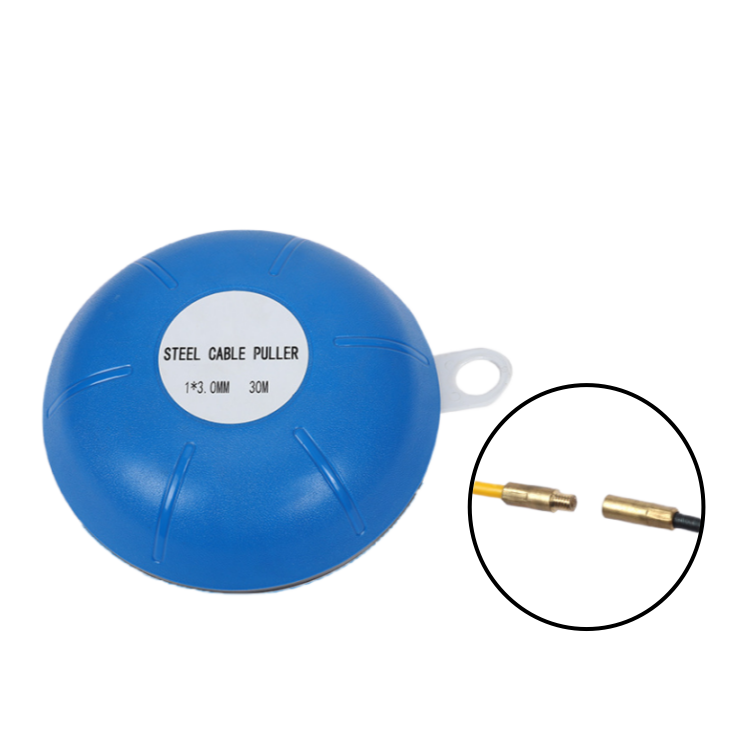
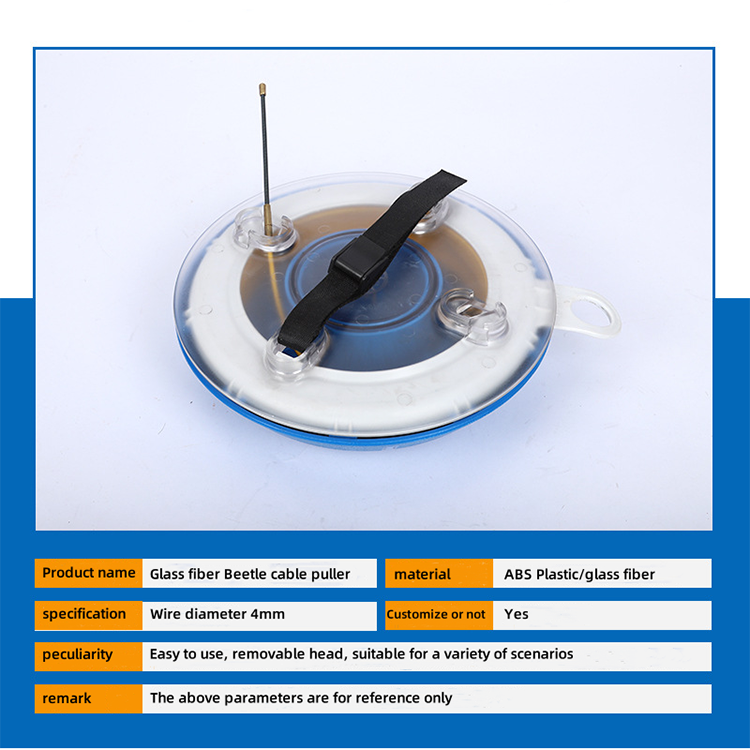
Fiberglass fish tape is a long, slender pulling tool designed to guide wires through tight or enclosed pathways. Compared with metal tape, fiberglass offers several notable advantages:
·Non-conductive fiber core, greatly reducing risk when working near live circuits
·Excellent flexibility, allowing it to move around bends
·High tensile performance, preventing deformation
·Low friction sliding, ideal for lengthy or curved conduits
Choosing fiberglass tape from a manufacturer with strong production and stable bulk output ensures consistent durability and safer field use.
Why Fiberglass Fish Tape Is Highly Recommended
1. Electrically Safe Material
Fiberglass construction provides a non-metal, shock-resistant solution. This is especially helpful when working in older buildings where hidden live wires might be present.
2. Able to Navigate Long and Complex Pathways
Available in multiple lengths, fiberglass fish tape makes it easier to tackle extended horizontal or vertical cable runs without jamming or kinking.
3. Corrosion-Free and Long-Lasting
Unlike steel tools, fiberglass does not corrode, making it suitable for damp environments, construction sites, tunnels, and industrial facilities.
4. Ideal for Daily Professional Work
Tools that come from a factory-level producer with dependable production volume provide better pulling strength and longer service life for electricians who work every day.
How to Use Fiberglass Fish Tape (Step-By-Step Tutorial)
Step 1: Prepare and Secure the Work Area
Before inserting any tool into conduits:
·Shut off power if possible
·Identify both ends of the conduit
·Clear debris and check for potential obstructions
·Put on protective gloves to enhance grip
Good preparation helps prevent unnecessary strain or damage during pulling.
Step 2: Insert the Fiberglass Fish Tape Into the Pathway
To begin feeding:
1.Hold the reel firmly on a stable surface.
2.Guide the head of the fish tape into the entrance of the conduit.
3.Push with smooth, controlled pressure.
4.Let the flexible fiberglass naturally follow bends and curves.
If resistance builds up, rotate the tape lightly to help it advance.
Step 3: Locate the Tape Tip at the Exit
As soon as the leader appears at the opposite end:
·Pull out enough length to work comfortably
·Remove dust or debris from the surface
·Prepare your wiring for attachment
Sometimes the exit point requires gentle tapping or slight pulling to help the tape emerge.
Step 4: Attach the Cable to the Tape’s Pulling End
Most fiberglass fish tapes have a loop, hook, or eyelet at the head. To secure your wire:
·Wrap the cable around the leader
·Add electrical tape for firm support
·Smooth out sharp edges to prevent snagging
·Make sure the joint is streamlined
A clean attachment reduces friction during the backward pull.
Step 5: Pull the Tape Back Carefully
Begin guiding the tape back through the conduit:
·Apply steady, even force
·Avoid jerking motions that may damage the tape
·Keep communication with a helper on the opposite side
·Stop immediately if you feel unusually hard resistance
Fiberglass’s natural flexibility aids in passing through tricky conduit angles.
Step 6: Finalize Your Cable Routing
Once the wire reaches the other end:
·Detach it from the tape
·Inspect the insulation for any scrapes
·Wind the fish tape back into its housing
·Clean and store it in a dry location
Proper maintenance ensures the tool stays dependable for future jobs.
Professional Tips for Better Performance
Use Lubricant for Long Conduit Runs
A small amount of wire-pulling lubricant can help the tape glide more smoothly, especially through tight bends.
Avoid Forcing the Tape
Fiberglass is strong but should never be forced aggressively. Gentle motion is more effective.
Match the Tape Length to the Job
Longer tools are useful for multi-story projects, while shorter reels are easier to control in small residential spaces.
Prefer Manufacturer-Grade Tools
Fiberglass fish tape produced by a true manufacturer with stable production scale often demonstrates better tensile strength, smoother feed, and longer operational life.
Common Uses of Fiberglass Fish Tape
Fiberglass fish tape is an all-purpose tool frequently applied in:
·New electrical installations
·Renovation and rewiring projects
·Factory and warehouse wiring
·Underground conduit systems
·Data, communication, and low-voltage cable runs
·Attic and ceiling cable routing
Its versatility makes it a must-have for electricians, technicians, and professional installers.
Conclusion
Fiberglass Fish Tape is an essential tool for guiding cables through hidden or difficult pathways. With its non-conductive nature, durability, and ease of navigation, it significantly improves efficiency and safety during wiring projects. Selecting fiberglass fish tape from a reliable manufacturer with strong production and bulk supply capability provides even greater trustworthiness and consistency.
By following the step-by-step methods and best practices in this guide, you’ll be able to complete cable-pulling tasks smoothly—whether you’re upgrading a home, wiring a commercial facility, or tackling industrial installations.
References
GB/T 7714:Abd Rahman M S, Ab Kadir M Z A, Abd Rahman M S, et al. Investigation of Insulation Characteristics of GFRP Crossarm Subjected to Lightning Transient[J]. Energies, 2021, 14(14): 4386.
MLA:Abd Rahman, Muhammad Syahmi, et al. "Investigation of Insulation Characteristics of GFRP Crossarm Subjected to Lightning Transient." Energies 14.14 (2021): 4386.
APA:Abd Rahman, M. S., Ab Kadir, M. Z. A., Abd Rahman, M. S., Osman, M., Mohd Nor, S. F., & Zainuddin, N. M. (2021). Investigation of Insulation Characteristics of GFRP Crossarm Subjected to Lightning Transient. Energies, 14(14), 4386.