


Advanced Techniques for Using Polyester Cable Pullers
Author:jiujiu Release time:2025-11-23 22:29:43 Number of views:99order
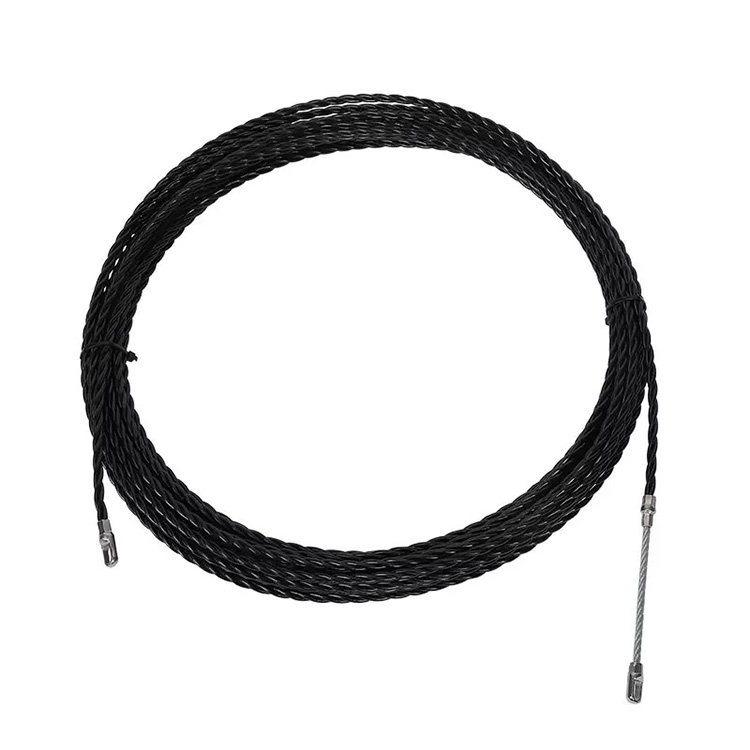
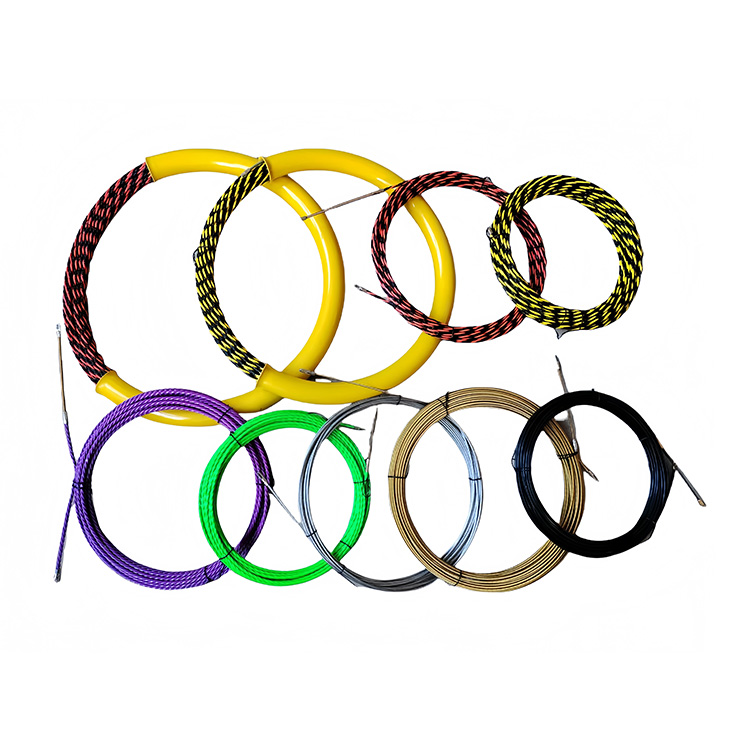
Among various wire-pulling tools available today, the Polyester Cable Puller stands out due to its impressive blend of flexibility, durability, and smooth handling. It is widely used by technicians who require consistent performance in demanding installation environments. Drawing on production insights as a manufacturer with long-term bulk supply capability, this guide presents a series of advanced techniques that professionals use to enhance the effectiveness and longevity of their Polyester Cable Puller.
1. Preparing the Work Area for Maximum Efficiency
Professional installers understand that advanced technique begins long before the actual pull. Proper preparation ensures smoother operation and reduces unnecessary tension during the process.
Analyze the Conduit Route First
Examine the interior route for accumulated debris, tight transitions, moisture pockets, or old wiring. Even though polyester fiber tolerates friction well, a clean pathway significantly improves performance.
Measure Pulling Distance Before Use
The route length determines how much of the Polyester Cable Puller you should prepare. Knowing the distance reduces guesswork and offers better control during the pull.
Optional Lubrication for Challenging Routes
Some installers apply light lubrication along tight or lengthy conduits. Polyester typically slides easily, but lubrication further reduces resistance when working with complex layouts.
2. Mastering Advanced Pulling Control and Tension Techniques
Professional-level wire pulling requires precise force management. Although the Polyester Cable Puller is engineered to handle significant tension, the manner in which tension is applied directly affects tool performance and longevity.
Pull in a Straight Line Whenever Possible
Keeping the puller aligned prevents twisting and ensures tension is evenly distributed along the polyester fibers.
Apply Gradual, Controlled Force
Experienced installers avoid sudden, forceful motions. Slow and steady pressure helps detect obstacles and prevents abrupt loads that may strain the tool.
Pause When Sudden Resistance Occurs
If you feel an unexpected increase in tension, stop immediately. Adjusting your position or feed angle before attempting again helps protect both the conductor and the puller.
3. Two-Person Coordination Methods Used by Experts
Many advanced pulling techniques involve synchronized teamwork. When done correctly, these methods reduce friction and make wire routing significantly easier.
Push-Assisted Method
One person gently pushes the cable while another performs the pull. This strategy:
·Reduces friction
·Minimizes the risk of cable bunching
·Shortens overall installation time
Micro-Adjustment Reversal
A short reverse pull—just a few centimeters—helps the polyester strands re-align. This prevents bunching and releases tension pockets that may form inside the conduit.
4. Fiber Protection and Handling Techniques for Long-Term Use
A Polyester Cable Puller is designed for resilience, but proper handling enhances its lifespan and reduces the likelihood of operational issues.
Avoid Dragging Over Rough Surfaces
Rough or abrasive ground surfaces can gradually damage fibers. Keep the tool elevated or protected with an outer sleeve if necessary.
Clean and Dry After Every Job
Although polyester is resistant to moisture, cleaning prevents buildup of dust or particles that can affect future performance.
Examine Fiber Smoothness
Run the puller through your hands to detect any inconsistencies. Straightening uneven sections maintains pulling stability over time.
5. Techniques for Complex, Multi-Bend, or Irregular Conduits
Complex conduit designs require more refined techniques. Polyester material adapts well to curves, but strategic handling improves accuracy.
Feed Gradually for Better Control
Insert the puller in smaller sections rather than pushing the entire length at once. This provides better direction control.
Use Slow Rotational Motion for Curved Areas
Rotating the puller helps it “catch” the natural curve of the conduit, allowing smoother progression through bends.
Use Markings as Progress Indicators
Adding visual markers every few meters helps monitor pulling progress, making it easier to identify and troubleshoot tension points.
6. Why Bulk Supply Matters for Industrial Projects
For large-scale engineering work, having reliable access to tools is essential. Being a manufacturer with stable production capacity ensures consistent quality and uninterrupted bulk supply for ongoing projects. Polyester Cable Pullers are commonly used for:
·Large electrical layouts
·Multi-route wiring installations
·Compact work environments
·Long-distance or multi-bend cable pulls
This consistency helps maintain workflow speed and efficiency.
7. Advanced Post-Job Practices for Maintaining Puller Performance
Experienced technicians always complete a post-operation routine to preserve the tool’s structural integrity.
Remove Residue
Wipe away dust, lubricant, or conduit debris immediately after use.
Store Using Wide Loops
Avoid tight winding. Wide, natural loops maintain fiber alignment and prevent internal stress.
Keep Away From Direct Heat or Sun
Polyester maintains its shape well, but long-term exposure to heat accelerates aging.
Conclusion
Using a Polyester Cable Puller with advanced techniques significantly improves installation precision, reduces friction, and extends the lifespan of the tool. From proper preparation and tension strategies to conduit-specific methods and maintenance routines, these approaches help professionals achieve smoother, safer cable pulls. Supported by a manufacturer with reliable bulk supply capability, the Polyester Cable Puller remains an essential and dependable tool for both small-scale setups and extensive wiring projects.
References
GB/T 7714:High-performance fibres[M]. Elsevier, 2001.
MLA:Hearle, John WS, ed. High-performance fibres. Elsevier, 2001.
APA:Hearle, J. W. (Ed.). (2001). High-performance fibres. Elsevier.