


Advanced Techniques to Improve Polyester Fish Tape Performance
Author:jiujiu Release time:2025-11-23 22:29:43 Number of views:86order
Why Polyester Fish Tape Efficiency Matters
For electricians, cable installers, and conduit specialists, the Polyester Fish Tape is more than a simple accessory—it is a daily-use, mission-critical tool. Its strong flexibility, reliable pull-through behavior, and non-conductive material make it ideal for routing wires through tight, curved, or complex pathways.
But even a high-quality polyester fish tape performs only as well as it’s maintained and operated. Over time, dust, bending fatigue, and internal housing friction reduce its efficiency. That’s why advanced techniques—beyond routine cleaning—are necessary for professionals who demand consistent performance. Drawing on years as a manufacturer with robust production and bulk supply experience, we offer refined strategies to elevate your tool’s capabilities.
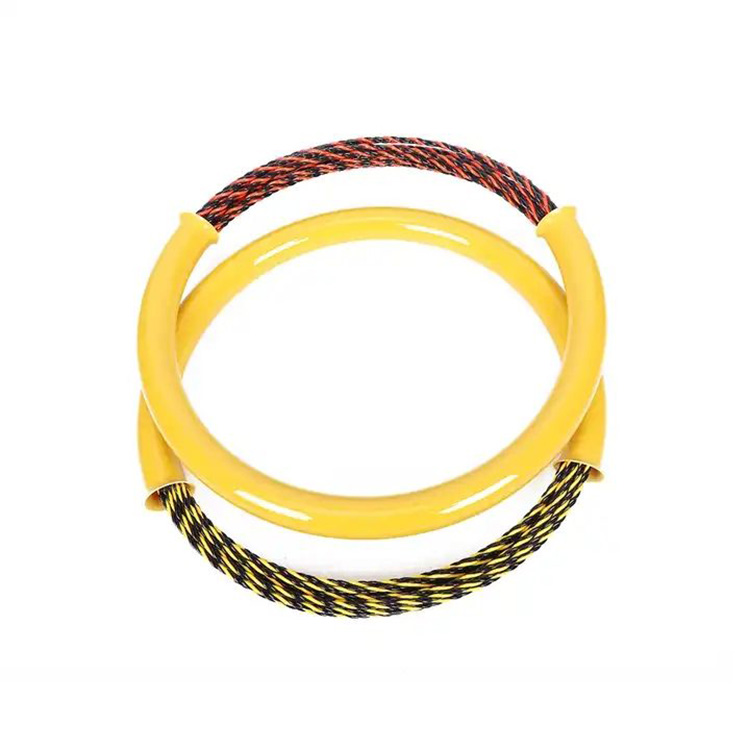
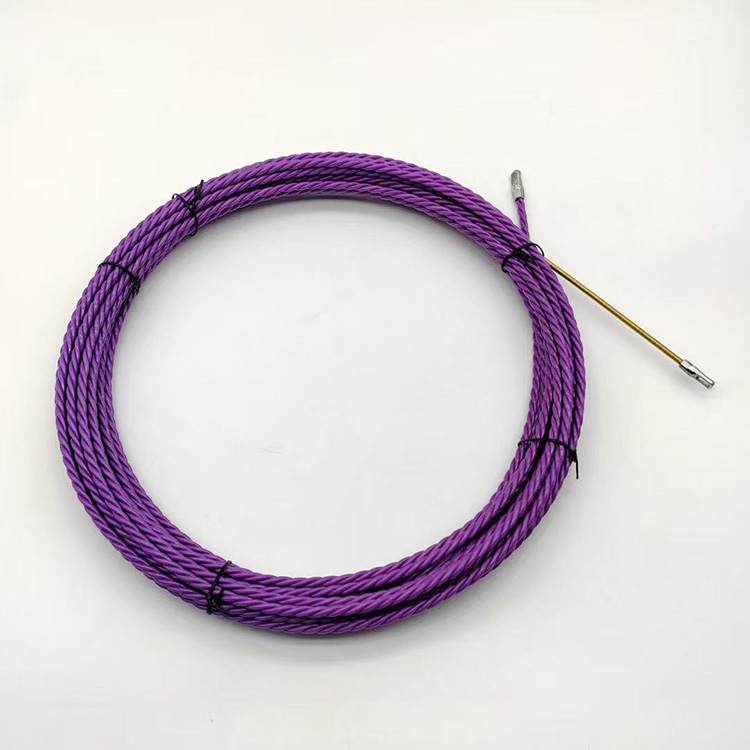
1. Master the Natural Advantages of Polyester Tape
To maximize pulling performance, it’s essential to understand what makes polyester unique. Compared to steel or fiberglass products, polyester offers:
·Greater flexibility in multi-bend conduits
·Reduced risk of electrical conductivity
·Smoother sliding under load
·Lower memory effect (less tendency to coil or twist aggressively)
These qualities provide the foundation. The following techniques ensure you extract the full potential from the material.
2. Improve Feeding Technique for Smoother Navigation
Improper feeding is one of the biggest contributors to friction and premature wear. Instead of forcing the tape:
·Align your movement with the conduit opening to avoid rotation.
·Feed in steady increments, letting the polyester body naturally curve into the space.
·Guide the housing angle, ensuring tape straightness during initial insertion.
These subtle adjustments help prevent kinks, reduce snagging, and help the tape glide more efficiently across existing wires or rough conduit walls.
3. Use Controlled Lubrication to Reduce Conduit Resistance
Although polyester inherently provides low friction, lubrication becomes invaluable when dealing with older conduits, lengthy runs, or tight turns. Apply a cable-safe gel sparingly along the first meter of the tape. This technique:
·Minimizes drag
·Reduces heat buildup
·Lowers the tension required to pull wires
·Protects the polyester fibers from abrasive conduit surfaces
Professional installers typically save noticeable time and effort by lubricating strategically rather than coating the entire tape.
4. Deep Cleaning to Restore Surface Smoothness
A polyester fish tape gradually accumulates dust, concrete powder, moisture, and conduit residues. While these contaminants may seem minor, they create drag and stiffen the tape. A proper cleaning routine goes further than a quick wipe:
1.Remove all tape from the housing.
2.Use a damp microfiber cloth to lift residue while avoiding fiber damage.
3.Apply mild soap for hardened buildup and rinse carefully.
4.Completely air-dry the tape before retracting.
Avoid solvents at all costs—they degrade polyester and shorten the tape’s lifespan.
5. Inspect Key Stress Zones Before Every Job
Advanced users know that damage often starts in predictable areas. Inspect:
·The pulling eye or leader—highest friction point
·The first few meters of tape—receives most bending pressure
·Any sections with flattened or roughened surfaces
·Housing tension points and guide slots
Early detection allows simple fixes before small issues escalate into full tape failure, especially during heavy pulls.
6. Optimize Housing Operation for Reduced Internal Friction
The core of a smooth-working tape isn’t only the tape itself—the reel plays a major role. The housing must turn with minimal resistance. To keep it operating efficiently:
·Clear dust from internal tracks regularly
·Ensure the spindle rotates freely
·Apply a tiny amount of lubricant to rotational axes
·Check the case shape to ensure it hasn’t warped from drops or pressure
A clean and responsive housing contributes significantly to the tape’s travel speed and ease of use.
7. Store the Tape Properly to Preserve Flexibility
Even though polyester is resilient, incorrect storage habits weaken its performance. Store your Polyester Fish Tape:
·Fully retracted
·In a dry place free from condensation
·Away from direct heat or ultraviolet exposure
·Laying flat or hanging to prevent case deformation
Thoughtful storage helps the polyester material maintain its natural flexibility and smoothness over time.
Conclusion: Precision Techniques for a High-Efficiency Polyester Fish Tape
With the right approach, your Polyester Fish Tape offers exceptional performance in a wide range of electrical installations. By using expert-level techniques—intentional feeding, selective lubrication, periodic deep cleaning, targeted inspection, reel optimization, and responsible storage—you maximize efficiency and extend the working life of your tool.
Professionals who source from a reliable manufacturer with strong production capacity and bulk supply capabilities gain even more long-term value, ensuring durability and consistent quality for demanding on-site applications.
A well-maintained polyester fish tape doesn’t just save time—it elevates the precision, safety, and reliability of every wire routing project you take on.
References
GB/T 7714:Hutchings I, Shipway P. Tribology: friction and wear of engineering materials[M]. Butterworth-heinemann, 2017.
MLA:Hutchings, Ian, and Philip Shipway. Tribology: friction and wear of engineering materials. Butterworth-heinemann, 2017.
APA:Hutchings, I., & Shipway, P. (2017). Tribology: friction and wear of engineering materials. Butterworth-heinemann.