


Cable Reel Stand Safety Tips for Worksites
Author:jiujiu Release time:2025-11-27 10:08:21 Number of views:112order
Enhancing Worksite Safety With Cable Reel Stands
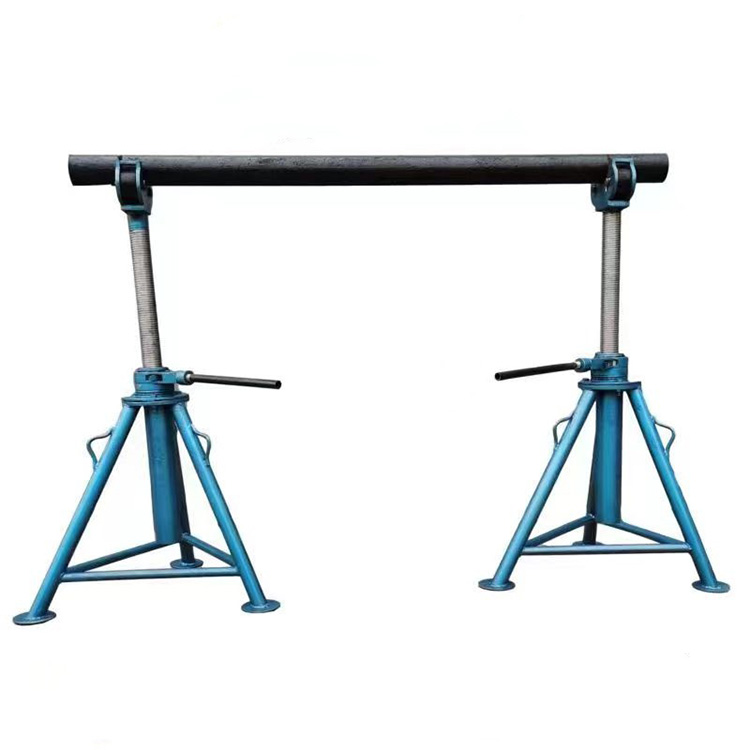
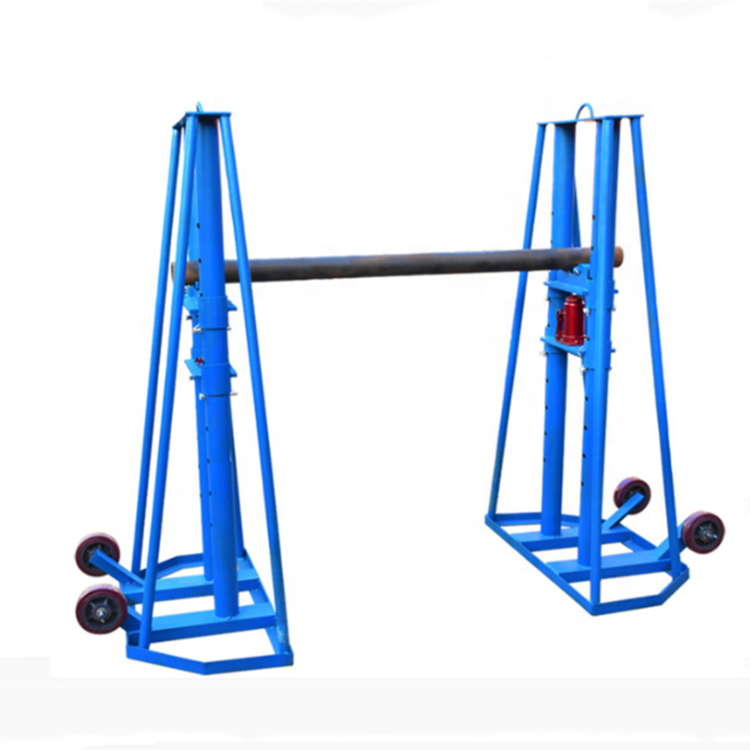
A Cable Reel Stand is a vital support tool across construction, electrical installation, and industrial work environments. It stabilizes heavy cable drums, allowing teams to unwind cable smoothly and efficiently. Despite its simple appearance, improper operation can lead to tipping incidents, uncontrolled reel movement, or cable damage.
Worksites that rely heavily on cable installation—especially those with continuous or batch-level Production demands—need a clear understanding of how to operate Cable Reel Stands safely. The following sections present practical, field-tested tips to ensure both operators and equipment remain protected.
1. Start With a Stable Foundation
Correct placement is the first step toward safer operation.
Choose a Solid, Level Ground Surface
An unstable surface increases the likelihood of the stand shifting or toppling when the reel begins to rotate.
Match the Stand to the Reel Dimensions
Large or heavy cable reels require stands with broader support frames. Always check height and width compatibility.
Verify All Support Features
Locking pins, brackets, and leveling elements must be firmly engaged before the reel is mounted.
Ensure Proper Shaft Fitment
A mismatched shaft diameter can lead to excessive friction or misalignment, endangering both the reel and the workers.
High-quality stands manufactured by real Manufacturer operations typically provide detailed load charts that help workers choose the right configuration.
2. Conduct Routine Safety Inspections
Regular inspection prevents small mechanical issues from becoming serious hazards.
Check for Structural Integrity
Any bending, fractures, or distortion in the frame indicates the stand is unsafe for use.
Examine Bearings and Rotation Points
Bearings should rotate freely with no grinding sounds or uneven motion. Poor rotation can cause unpredictable reel behavior.
Look for Rust or Material Degradation
Environmental exposure can weaken metal components over time. Cleaning and anti-corrosion treatments are key.
Tighten Bolts and Fasteners
Loose components reduce load capacity and increase the risk of accidental movement.
A consistent inspection routine is particularly important for worksites with frequent or heavy-duty cable work.
3. Follow Safe Reel Loading Procedures
A significant portion of worksite accidents occur during reel loading. Proper technique is essential.
Use Mechanized Lifting Tools
Manual handling is unsafe for larger cable reels. Cranes, forklifts, and hoists provide controlled movement.
Align the Reel Precisely With the Stand
Misalignment causes wobbling and uneven weight distribution.
Secure the Shaft Firmly
Before any cable movement begins, the reel must be fully locked to prevent side-shifting or sudden drops.
Coordinate With Your Team
Clear communication reduces the risk of sudden movements or unexpected load shifts.
Correct loading technique helps ensure a smoother unwinding process later on.
4. Maintain Control During Cable Unwinding
Uncontrolled reel rotation poses one of the highest safety risks. Proper control measures are essential.
Use Built-In Brakes or Tension Adjusters
Many Cable Reel Stands include tension control to keep the reel from free-spinning.
Avoid Sharp Pulling Movements
Jerking the cable can accelerate the reel unexpectedly and damage both cable and equipment.
Keep the Unwinding Path Straight
Twists or tangles introduce tension, which can cause sudden snapback or erratic rotation.
Stand Clear of the Direct Spin Axis
Workers should operate from the side to avoid potential rebound motion.
A controlled unwind protects both the operators and the cable being installed.
5. Create a Safety-Focused Work Area
A well-organized environment significantly lowers the risk of accidents.
Keep the Area Free of Obstacles
Tools, debris, and unused materials can create tripping hazards or obstruct movement.
Mark a Safety Buffer Zone
Use cones, tape, or signage to prevent bystanders from entering the danger zone.
Equip Workers With Proper PPE
Gloves, eyewear, and steel-toe boots are essential when dealing with heavy reels.
Train All Operators Thoroughly
Workers must understand weight limits, brake adjustments, and emergency procedures.
A disciplined worksite environment greatly enhances overall safety.
6. Maintain and Store the Stand Correctly
Proper care ensures long-term function and readiness for future tasks.
·Clean the stand after each use to remove dirt, grease, and cable residue
·Lubricate critical moving parts
·Apply anti-rust treatment for outdoor storage
·Inspect removable shafts, pins, or brackets before placing the stand in storage
·Store in a dry, elevated area away from corrosive conditions
While well-built equipment from a trustworthy Manufacturer offers increased durability, proper maintenance maximizes lifespan and performance.
Conclusion: Safe Operation Strengthens Worksite Efficiency
A Cable Reel Stand is indispensable for cable deployment tasks, but its benefits rely on proper setup, careful loading, controlled reel movement, and regular maintenance. When workers follow established safety procedures, both efficiency and protection improve across the entire project.
By incorporating these guidelines, worksites can minimize hazards while improving workflow consistency—especially in installation settings that demand repeated or high-volume Production operations.
A carefully managed Cable Reel Stand not only improves safety but also ensures smoother, more reliable cable handling every day.
References
GB/T 7714:Hallowell M R, Gambatese J A. Construction safety risk mitigation[J]. Journal of Construction Engineering and Management, 2009, 135(12): 1316-1323.
MLA:Hallowell, Matthew R., and John A. Gambatese. "Construction safety risk mitigation." Journal of Construction Engineering and Management 135.12 (2009): 1316-1323.
APA:Hallowell, M. R., & Gambatese, J. A. (2009). Construction safety risk mitigation. Journal of Construction Engineering and Management, 135(12), 1316-1323.