


Complete Guide to Fiberglass Fish Rods for Electricians
Author:jiujiu Release time:2025-11-11 10:45:09 Number of views:92order
For electricians, running cables through walls, ceilings, and narrow conduits is a routine task — but it can be time-consuming and frustrating without the right tools. Fiberglass Fish Rods make this process faster, cleaner, and safer by giving you the reach and flexibility needed to guide wires through tight or hidden spaces.
In this comprehensive guide, we’ll break down what these rods are, how they work, and why buying from a China manufacturer with bulk supply capability can be the smartest investment for professionals and contractors alike.
1. Understanding Fiberglass Fish Rods
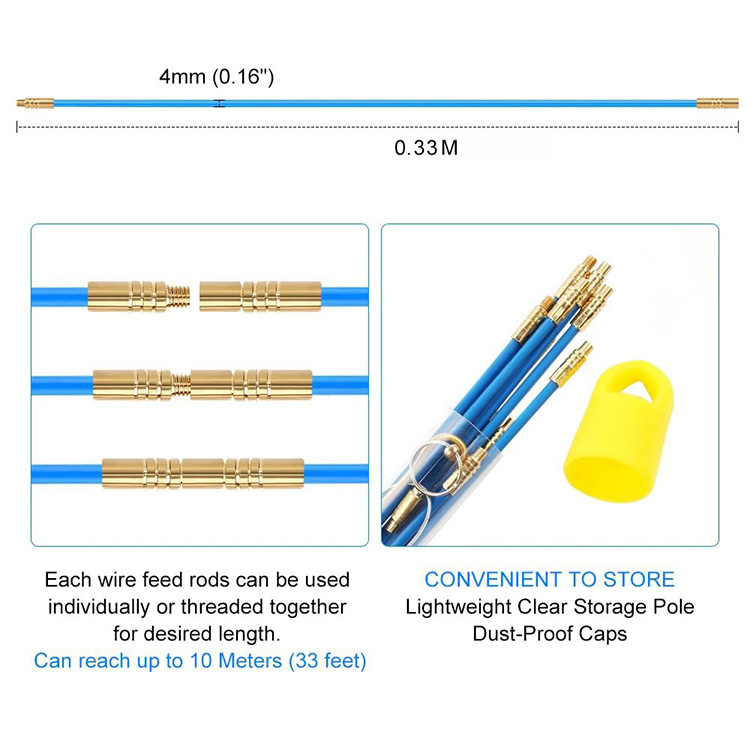
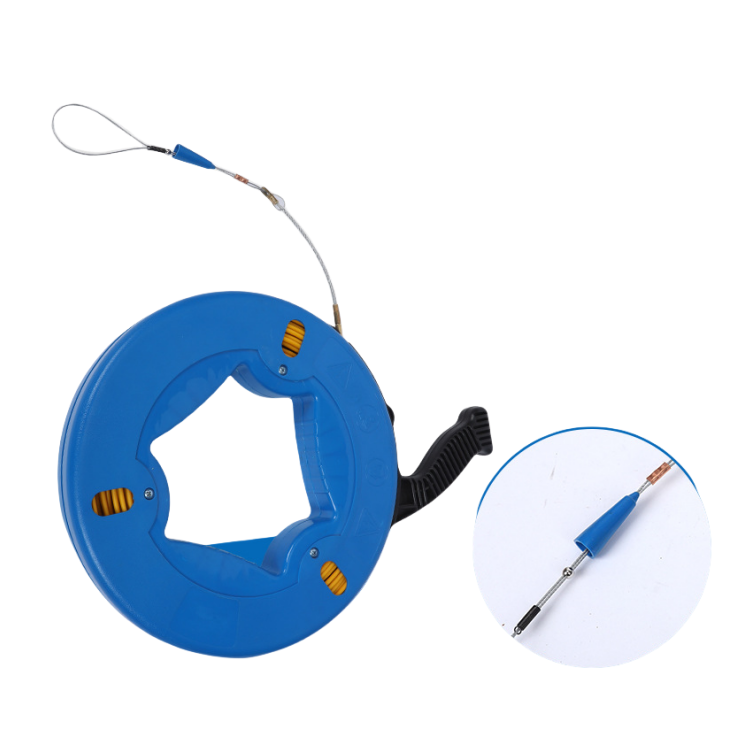
Fiberglass Fish Rods are long, non-conductive poles designed to pull electrical wires through confined or obstructed areas. Typically made from reinforced fiberglass with resin coatings, they combine strength, elasticity, and insulation to help electricians complete installations safely.
Each section of rod connects via threaded joints, allowing users to extend or shorten the tool as needed. With specialized ends — hooks, eyelets, or magnets — these rods can grip or pull cables smoothly without damaging insulation or wall surfaces.
Core Benefits:
·Non-conductive and safe for electrical environments
·Lightweight and easy to maneuver
·Connectable for extended reach
·Strong enough to resist bending and snapping
Simply put, Fiberglass Fish Rods bridge the gap between convenience and safety in modern cable installation.
2. Key Advantages of Using Fiberglass Fish Rods
Electricians prefer fiberglass fish rods for a reason — they strike the perfect balance between flexibility and durability.
Here’s why they stand out:
·Electrical Protection: Their fiberglass structure prevents electrical conduction, lowering shock risks.
·Adaptability: Works in residential rewiring, commercial fit-outs, or large industrial projects.
·Long-Term Value: Resistant to corrosion, heat, and moisture, ensuring years of reliable service.
·Enhanced Reach: Extendable rods make it easy to access hard-to-reach areas.
These qualities make Fiberglass Fish Rods an indispensable part of every electrician’s toolkit, whether you’re rewiring a home or managing a large construction site.
3. Step-by-Step Guide: How to Use Fiberglass Fish Rods Properly
Even the best tools require proper technique. Follow these professional tips to get the most out of your Fiberglass Fish Rods.
Step 1 — Prepare the Route
Examine the walls or conduits before starting. Identify access points and make sure the pathway is clear of sharp edges or obstructions.
Step 2 — Assemble Your Rods
Connect enough sections to match your working distance. Tighten all joints to prevent separation during operation.
Step 3 — Secure the Wire
Attach the wire or cable using the hook or loop end. Reinforce the joint with tape for a firm grip.
Step 4 — Feed the Rod Smoothly
Insert the rod slowly, rotating gently if resistance occurs. Avoid applying too much force, which may cause bends or surface damage.
Step 5 — Pull the Cable
Once the rod reaches the exit point, pull the cable carefully and detach it once clear.
Using this method ensures efficient routing and reduces the risk of cable damage, even in complex installations.
4. Maintenance & Care Tips
To keep your Fiberglass Fish Rods performing at their best, proper maintenance is key:
·Wipe rods after use to remove dust and debris.
·Store them straight or in a coiled holder to prevent warping.
·Avoid excessive sunlight or high-temperature environments.
·Regularly inspect threaded ends and connectors for cracks.
·Replace damaged tips or joints immediately.
Routine care not only extends the lifespan of the rods but also ensures safer operation on every job.
5. Essential Safety Practices
Even though fiberglass rods are designed to be non-conductive, safety should never be ignored. Keep these points in mind:
·Always disconnect power before beginning work.
·Avoid contact with live electrical circuits.
·Wear gloves and eye protection at all times.
·Never over-twist or over-bend the rods.
Adhering to these safety measures helps maintain a secure and efficient work environment.
6. Why Electricians Choose China Manufacturers for Fiberglass Fish Rods
Many professional electricians and global distributors prefer sourcing Fiberglass Fish Rods from China manufacturers — and for good reason.
Here’s why:
·Consistent Quality: Chinese factories have refined fiberglass production with advanced resin and molding technology.
·Large-Scale Production: Capable of bulk supply, meeting demands from contractors and wholesalers.
·Customization Options: Rod length, tip design, and color can be tailored to your project needs.
·Global Shipping & OEM Service: Reliable logistics ensure timely delivery and scalable supply.
Choosing a China-based factory ensures cost efficiency and stable quality — two major advantages for electricians and tool distributors worldwide.
7. Conclusion: Fiberglass Fish Rods — The Smart Tool for Modern Electricians
In the world of electrical installation, precision and safety are everything. Fiberglass Fish Rods simplify complex cable routing tasks, protect wires, and help electricians work efficiently in confined spaces.
Whether you’re managing routine maintenance or a commercial wiring upgrade, investing in fiberglass rods from a trusted China manufacturer gives you access to professional-grade performance, customization options, and dependable bulk supply.
By choosing durable, non-conductive, and flexible Fiberglass Fish Rods, you’re not just buying tools — you’re investing in safer, faster, and smarter electrical work.
References
GB/T 7714:Jaya T, Michalak B, Radke M, et al. Industrial Cabling in Constrained Environments: a Practical Approach and Current Challenges[J]. arXiv preprint arXiv:2404.10829, 2024.
MLA:Jaya, Tanureza, et al. "Industrial Cabling in Constrained Environments: a Practical Approach and Current Challenges." arXiv preprint arXiv:2404.10829 (2024).
APA:Jaya, T., Michalak, B., Radke, M., & Haninger, K. (2024). Industrial Cabling in Constrained Environments: a Practical Approach and Current Challenges. arXiv preprint arXiv:2404.10829.