


Fiberglass Fish Tape vs Steel Fish Tape: Which One Matches Your Wiring Needs?
Author:jiujiu Release time:2025-11-22 17:19:09 Number of views:84order
Modern wiring work requires tools that balance efficiency, safety, and durability—and fish tape is one of the most essential tools on the jobsite. Whether you are pulling wires through commercial conduits or navigating complex bends in residential walls, the type of fish tape you use can dramatically affect the overall workflow.
Before choosing, many professionals look for tools from a manufacturer with reliable production capability and stable bulk-supply output. This ensures consistent performance, especially when purchasing multiple units for team use. In this comparison, we break down the differences between Fiberglass Fish Tape and traditional steel fish tape, helping you determine which one fits your work environment.
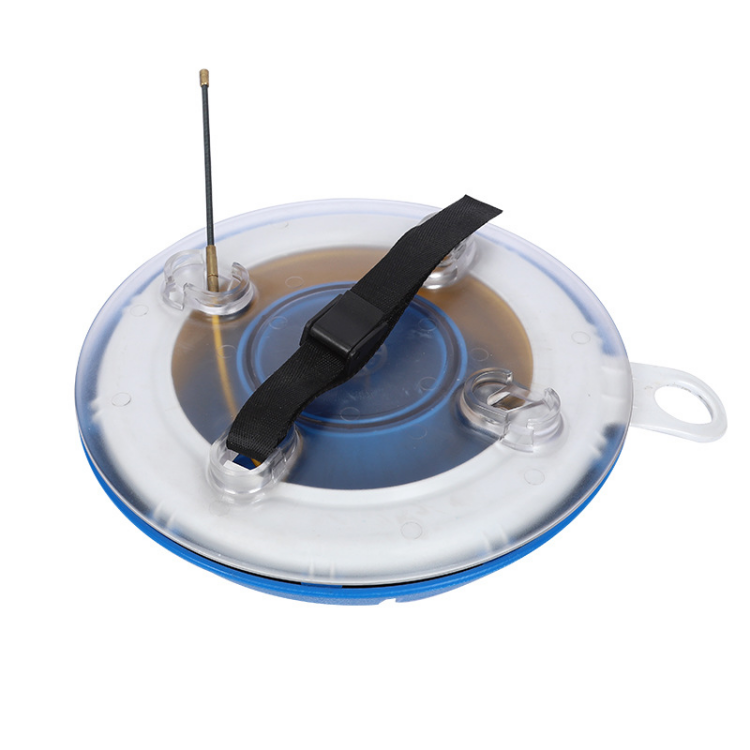
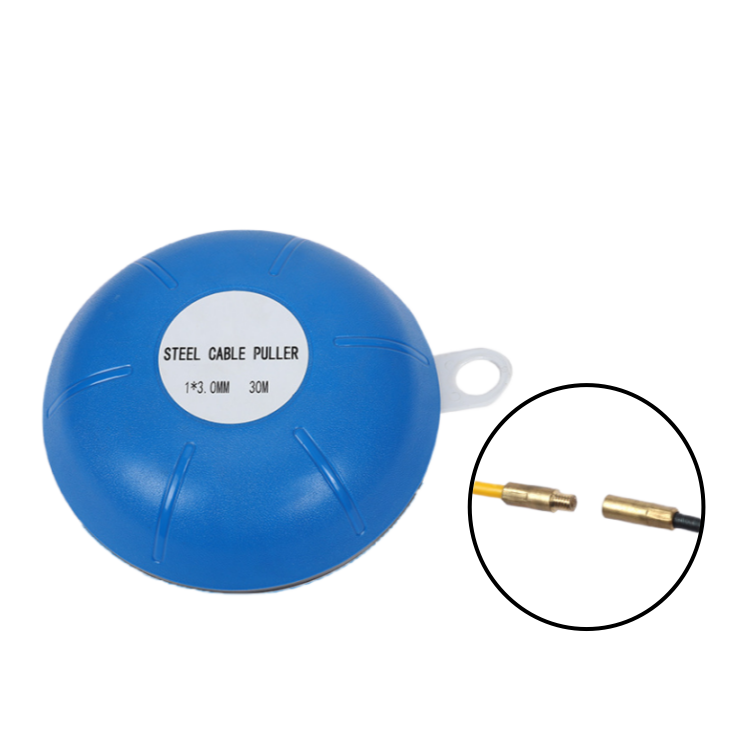
Understanding Fiberglass Fish Tape
Fiberglass Fish Tape is engineered from non-conductive fiberglass materials, creating a tool that prioritizes safety in electrically sensitive spaces. Its composite construction gives it a flexible yet durable form that performs exceptionally well in angled or curved conduit paths.
Main Features
·Non-conductive and safe around electrical panels
·Flexibility for maneuvering through complicated layouts
·Lightweight structure for easier handling
·Corrosion resistance, ideal for humid or dusty job sites
Fiberglass tape shines in areas where safety and smooth navigation outweigh sheer pulling force.
Understanding Steel Fish Tape
Steel fish tape remains a traditional favorite for many electricians due to its rigid structure and strong pushing capability. Unlike fiberglass, steel provides directional stability and consistent linear movement through long, straight conduits.
Main Features
·High strength for long pushes
·Rigid design for straight pathways
·Durable under tension during heavy pulls
·Reliable for industrial environments
While steel is strong, its conductive nature means it must be kept away from energized areas.
Head-to-Head Comparison
To help you select the right tool, we examine both types from multiple practical angles.
1. Electrical Safety
Electrical safety is one of the most important considerations in any wiring task.
Fiberglass Fish Tape
·Completely non-conductive
·Safer when working near live circuits
·Reduces the risk of accidental shock
Steel Fish Tape
·Fully conductive
·Must be used only in non-energized environments
Verdict: Fiberglass is the clear choice for safety-critical operations.
2. Flexibility and Navigation
This dimension determines how well a fish tape handles bends, corners, and tight routing paths.
Fiberglass Fish Tape
·Designed for high-flex environments
·Moves smoothly around multiple conduit curves
·Ideal for wall cavities or ceiling routes
Steel Fish Tape
·Built for straight, long runs
·Can struggle in areas with frequent turns
Verdict: Fiberglass excels in complex or multi-bend conduit systems.
3. Pushing Strength and Distance
For certain commercial or industrial settings, pushing force determines how efficiently a fish tape can reach long distances.
Fiberglass Fish Tape
·Medium push strength
·Better suited for moderate lengths
Steel Fish Tape
·Strong directional force
·Best for long, uninterrupted conduit lines
Verdict: Steel wins for long-range and straight pathways.
4. Durability and Long-Term Maintenance
Durability varies based on both material type and handling environment.
Fiberglass Fish Tape
·Resistant to rust and corrosion
·Maintains flexibility over time
·Doesn’t kink or twist easily
Steel Fish Tape
·Extremely strong under tension
·Can corrode if exposed to moisture
·May develop bends if not properly stored
Verdict: Fiberglass provides environmental durability, while steel withstands heavy loads.
5. Operator Comfort and Control
A tool that’s easy to manage can significantly improve daily productivity.
Fiberglass Fish Tape
·Lighter and smoother to operate
·Reduces fatigue, especially during repeated pulls
Steel Fish Tape
·Heavier, requiring greater hand control
·Better suited for workers accustomed to rigid tools
Verdict: Fiberglass is more ergonomic for prolonged use.
Which Fish Tape Fits Your Work Scenario?
You may benefit from Fiberglass Fish Tape if your projects include:
·Conduits with several bends
·Electrical boxes or energized work zones
·Tasks requiring smoother maneuvering
·Lightweight tools preferred for repetitive jobs
Steel fish tape may be the better fit if you frequently handle:
·Long commercial conduits
·Straight industrial pathways
·Heavy-duty pulling tasks
·Large-diameter conduit systems
In many professional settings, technicians keep both versions on hand to handle different installation conditions.
Selecting High-Quality Fish Tape
Regardless of which type you choose, quality matters. Look for features such as:
·High-precision reel operation
·Comfortable, impact-resistant housing
·Consistent material thickness
·Stable tensile and bend strength
·Traceable standards from a manufacturer with strong production control and bulk supply capability
This ensures the tool performs reliably across numerous wiring tasks.
Conclusion
Both Fiberglass Fish Tape and steel fish tape offer unique advantages depending on the installation environment. Fiberglass provides enhanced safety, flexibility, and operator comfort, making it ideal for environments involving electrical circuits or complex bends. Steel remains the top performer for long-distance, straight-line wiring projects where pushing power is crucial.
Whichever option better suits your workflow, choosing tools from a professional manufacturer with dependable production and steady bulk supply capacity ensures consistent quality and long-term reliability. With the right fish tape in hand, your wiring projects become faster, safer, and more efficient from start to finish.
References
GB/T 7714:Kong Y K, Lowe B D. Optimal cylindrical handle diameter for grip force tasks[J]. International Journal of Industrial Ergonomics, 2005, 35(6): 495-507.
MLA:Kong, Yong-Ku, and Brian D. Lowe. "Optimal cylindrical handle diameter for grip force tasks." International Journal of Industrial Ergonomics 35.6 (2005): 495-507.
APA:Kong, Y. K., & Lowe, B. D. (2005). Optimal cylindrical handle diameter for grip force tasks. International Journal of Industrial Ergonomics, 35(6), 495-507.