


How to Choose the Correct Polyester Fish Tape Length
Author:jiujiu Release time:2025-12-28 11:03:10 Number of views:55order
Why Length Matters in Polyester Fish Tape Selection
Choosing the correct polyester fish tape length is a crucial decision in cable installation projects. While material and flexibility often receive the most attention, length directly affects efficiency, safety, and overall job performance. Selecting a tape that is too short can interrupt workflow, while an excessively long tape may reduce control and increase handling difficulty.
From a manufacturing perspective, polyester fish tape is produced in standardized lengths to meet the needs of different installation environments. Understanding how these lengths align with real-world applications allows installers and procurement teams to make informed decisions, especially when sourcing from manufacturers offering stable production and bulk supply capabilities.
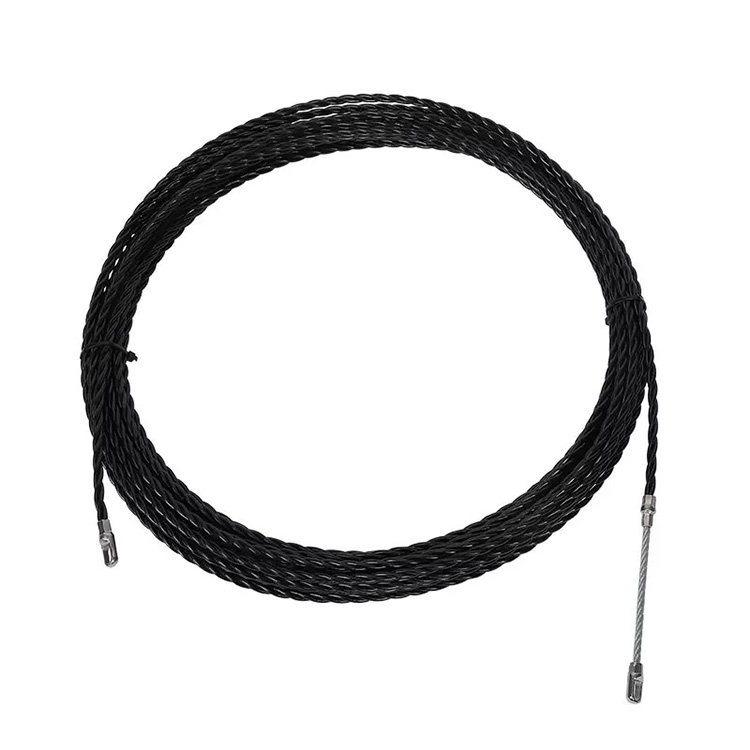
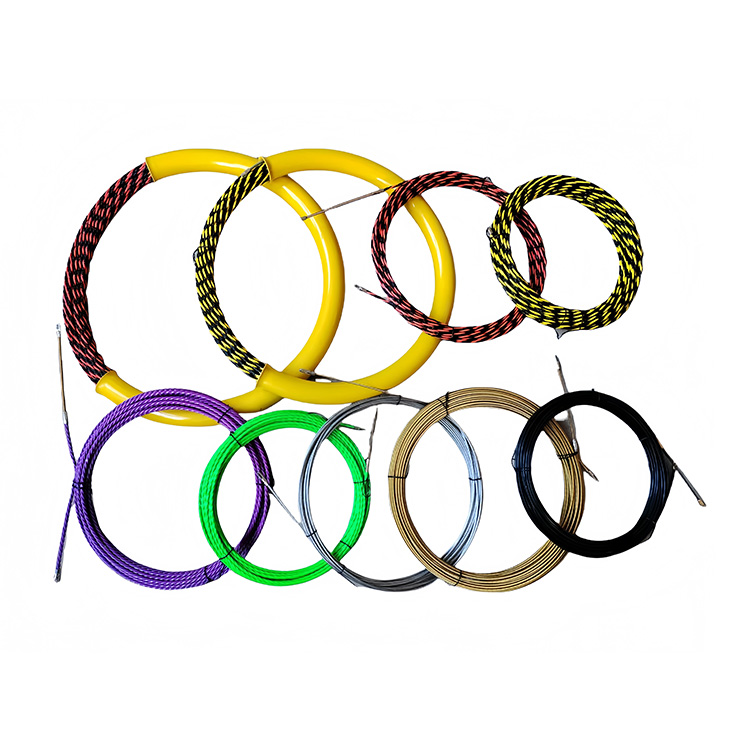
Understanding Polyester Fish Tape and Its Advantages
Polyester fish tape is widely used in electrical and communication installations due to its balanced combination of flexibility, strength, and non-conductive properties. Compared to metal-based alternatives, polyester offers improved safety in environments where electrical exposure is a concern.
Key characteristics include:
·Lightweight structure for easier handling
·High tensile strength relative to weight
·Resistance to moisture and corrosion
·Suitable for long conduit runs
These features are achieved through controlled production processes, ensuring consistent performance across large manufacturing batches.
Common Polyester Fish Tape Length Options
Manufacturers typically offer polyester fish tape in several standard lengths to match industry needs. Common options include:
·Short lengths (10–20 meters) for residential or light commercial use
·Medium lengths (30–50 meters) for general construction projects
·Long lengths (60 meters and above) for industrial or complex installations
Each length category serves a specific purpose, and selecting the right one depends on project scale and conduit layout.
Matching Fish Tape Length to Installation Environment
Residential and Light Commercial Projects
In smaller environments, conduit runs are usually short and straightforward. For these applications, a shorter polyester fish tape is often sufficient. Shorter lengths provide better control and reduce the risk of tangling or excessive resistance.
Using the correct length also minimizes storage space and simplifies transport, which is especially beneficial for installers working on multiple small projects.
Commercial Buildings and Renovations
Medium-length polyester fish tapes are commonly used in office buildings, schools, and renovation projects. These environments often involve longer conduit paths with multiple bends.
A medium-length tape allows installers to complete runs without interruption while maintaining manageable handling. From a production standpoint, these lengths are among the most commonly manufactured due to their versatility and high demand.
Industrial and Large-Scale Installations
Industrial facilities and infrastructure projects frequently require long conduit runs that extend across large areas. In such cases, longer polyester fish tapes are essential.
However, increased length requires careful handling and proper storage. Manufacturers producing long-length polyester fish tape focus on maintaining uniform stiffness and strength to ensure reliable performance across the entire tape.
Considering Conduit Layout and Bend Complexity
Length alone should not be the only consideration. The complexity of the conduit layout plays an equally important role.
Factors to consider include:
·Number of bends and elbows
·Vertical versus horizontal routing
·Presence of junction boxes
In complex layouts, a slightly longer polyester fish tape can provide flexibility if the path changes unexpectedly. Manufacturers often design tapes with smooth surfaces to reduce friction, especially in longer lengths.
Balancing Length with Control and Safety
While longer polyester fish tapes offer extended reach, they can be more difficult to control if not properly managed. Excessive length may increase the risk of:
·Twisting or coiling during retrieval
·Sudden resistance buildup
·Operator fatigue
Choosing a length that matches actual needs improves both safety and efficiency. This balance is a key consideration during product design and production, particularly for tools intended for professional use.
Storage, Transport, and Length Selection
Storage and transport requirements should also influence length selection. Longer polyester fish tapes require more robust housings or reels to prevent damage during transport.
Manufacturers supplying polyester fish tape in bulk quantities often standardize packaging solutions to protect tape integrity. Selecting the appropriate length helps reduce storage complexity and extends product lifespan.
Procurement Considerations for Bulk Supply
For contractors and distributors sourcing polyester fish tape in bulk, length selection affects inventory efficiency.
Key procurement considerations include:
·Standardizing on a few commonly used lengths
·Aligning length options with typical project types
·Ensuring consistent production quality across batches
Working with a manufacturer that offers stable production and reliable bulk supply ensures that selected lengths perform consistently across multiple projects.
Conclusion: Choosing the Right Length for Long-Term Efficiency
Selecting the correct polyester fish tape length is not just a technical decision—it is a strategic one. Matching length to installation environment, conduit complexity, and handling requirements improves productivity, safety, and overall project outcomes.
When polyester fish tape is manufactured through controlled production processes and supplied in bulk for professional applications, choosing the right length becomes easier and more predictable. Understanding these principles allows installers and procurement teams to invest in tools that deliver long-term value and dependable performance.
References
GB/T 7714:Haslam R A, Hide S A, Gibb A G F, et al. Contributing factors in construction accidents[J]. Applied ergonomics, 2005, 36(4): 401-415.
MLA:Haslam, Roger A., et al. "Contributing factors in construction accidents." Applied ergonomics 36.4 (2005): 401-415.
APA:Haslam, R. A., Hide, S. A., Gibb, A. G., Gyi, D. E., Pavitt, T., Atkinson, S., & Duff, A. R. (2005). Contributing factors in construction accidents. Applied ergonomics, 36(4), 401-415.