


How to Choose the Right Cable Jack Stand for Your Project
Author:jiujiu Release time:2025-11-18 15:35:30 Number of views:188order
Selecting the appropriate Cable Jack Stands is essential for ensuring safe and efficient cable handling, no matter whether you’re working on utility installations, industrial wiring, or construction projects. Because cable reels differ widely in weight, size, and material, choosing a stand that correctly supports your operational demands is crucial. The right equipment not only minimizes risks but also improves workflow—especially when sourced from a reliable manufacturer capable of consistent production quality.
This guide breaks down the key factors you should evaluate before deciding on the best cable jack stand for your project.
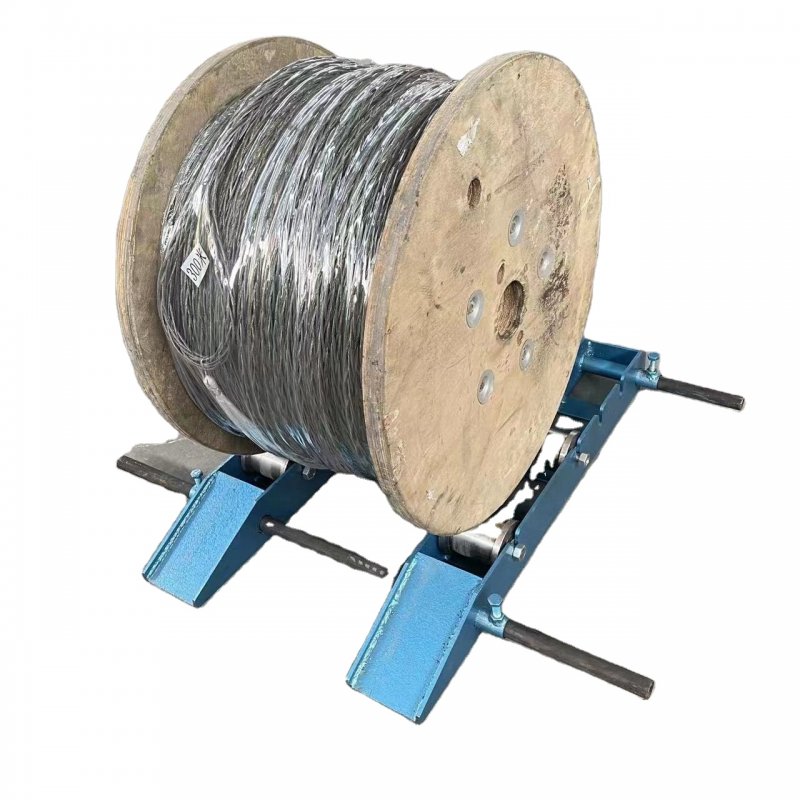
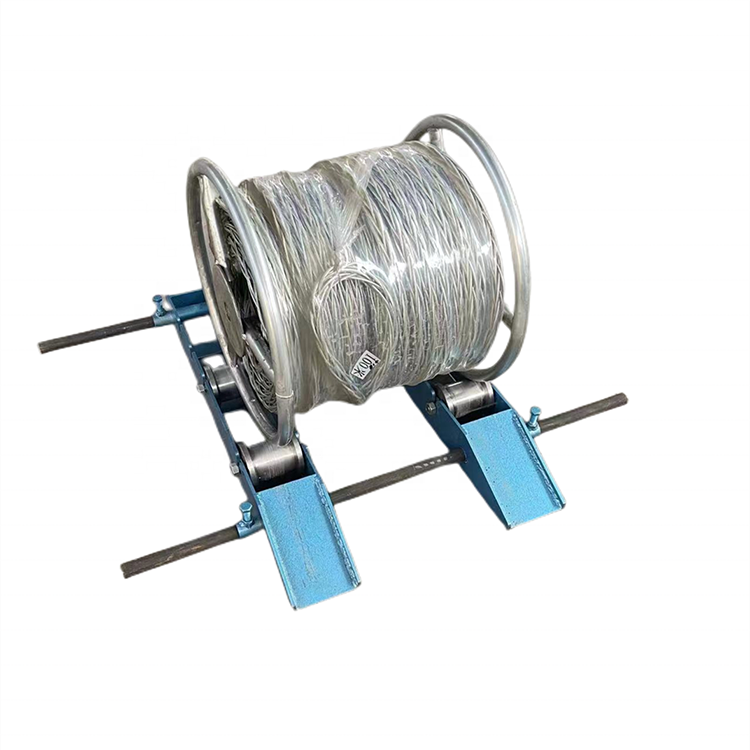
1. Understand Your Reel’s Total Weight Load
The foundation of selecting the right stand starts with knowing the full weight your equipment needs to support. This includes:
·Payload of the cable
·Weight of the reel housing (wood, plastic, or steel)
·Additional strain created during cable pulling
Choosing a stand with insufficient load capacity can jeopardize the entire setup, causing deformation or toppling under tension. Always select a model with a load rating noticeably above your calculated maximum for enhanced safety.
2. Match the Stand to Reel Diameter and Width
Cable reels vary dramatically, from compact low-voltage coils to oversized utility drums. Your chosen stand must accommodate:
·Maximum reel diameter
·Arbor or spindle width
·Required clearance height
Undersized stands will limit rotation or cause the reel to bind, while oversized reels demand higher lifting ranges and thicker axle bars. Confirm all measurements before selecting the stand type.
3. Evaluate Ground Conditions and Site Environment
Worksite terrain plays a major role in determining the stand design that best fits your task.
If the ground is uneven or unpaved:
·Prioritize wide-base stands
·Look for reinforced leg structures
·Choose models built from heavy-gauge steel
For indoor or controlled environments:
·A compact frame may improve maneuverability
·Smooth bearings help with controlled payout
·Faster adjustment mechanisms increase efficiency
For corrosive or outdoor environments:
·Powder-coated or zinc-plated surfaces
·Weather-resistant components
·Rigid geometries that resist flexing
Environmental conditions influence both performance and lifespan, making this step non-negotiable.
4. Choose Between Mechanical and Hydraulic Lifting
Cable jack stands commonly use one of two lifting mechanisms. Understanding the differences helps you select the system that aligns with your reel sizes and operational frequency.
Mechanical-Screw Lifting
Features a rotating threaded column.
Advantages:
·Highly precise height adjustments
·Lower maintenance requirements
·Dependable in remote sites without power
Best for:
Mid-weight reels and applications requiring fine leveling.
Hydraulic-Lift Stands
Use hydraulic cylinders to raise the axle with minimal human effort.
Advantages:
·Ideal for very heavy reels
·Faster lifting with smoother transitions
·Better for repeated or high-volume operations
Best for:
Industrial settings, utility companies, and heavy cable deployments.
5. Focus on Frame Stability and Structural Integrity
Cable handling places significant stress on the stand’s framework. Prioritize models that feature:
·Triangular or A-frame geometry
·Low center-of-gravity construction
·Anti-slip foot pads
·Welded reinforcements or braced joints
A stable stand not only prevents tipping—it ensures consistent and predictable cable payout, even on surfaces with minor grade variations.
6. Select the Right Spindle or Axle Bar
The spindle is the core component that holds and rotates the reel. When choosing a stand:
·Opt for solid steel or high-strength alloy spindles
·Confirm spindle diameter fits reel arbor openings
·Ensure bearings seat smoothly for low-friction rotation
·Avoid hollow tubes for heavy reels
A high-quality spindle improves payoff control, reduces crew fatigue, and prevents reel damage.
7. Confirm Built-In Safety Mechanisms
Because cable reels can weigh hundreds or thousands of pounds, safety features matter greatly. Look for:
·Locking pins or safety stops
·Secure height-position detents
·Anti-rollback systems for the reel
·Structured lift guards
·Non-slip platforms
These features protect operators and help maintain full control when pulling cable over long distances or at high tension.
8. Check Mobility and Storage Requirements
Depending on your workflow, portability may be a key factor in choosing the right stand.
If mobility matters, consider stands that offer:
·Foldable frames
·Lightweight but high-strength construction
·Quick-release components
·Integrated handles
Compact, portable stands are ideal for technicians working on multiple sites throughout the day.
9. Align Your Choice With Operational Demands
Think about the bigger picture:
·Frequency of use
·Expected cable pulling force
·Repetition of lifting cycles
·The types of reels used across different projects
A one-time cable layout may require very different equipment than ongoing large-scale installations. Choose a jack stand that matches your long-term needs, not just today’s mission.
10. Verify Build Quality, Certification, and Supply Reliability
Before committing to any stand, make sure:
·The model follows recognized load and safety standards
·Materials meet industrial-grade specifications
·The supplier provides consistent, high-quality inventory
Working directly with an actual manufacturer—rather than distributors—often ensures better build consistency, certified production control, and dependable reinforcements.
Conclusion
The right Cable Jack Stands make every cable deployment smoother, safer, and more controlled. By assessing load requirements, reel dimensions, ground conditions, lifting mechanisms, safety features, and long-term operational needs, you can confidently select the stand that best supports your project. With dependable equipment in place, your team can focus on efficient installation rather than equipment limitations.
References
GB/T 7714:Kumar S. Theories of musculoskeletal injury causation[J]. Ergonomics, 2001, 44(1): 17-47.
MLA:Kumar, Shrawan. "Theories of musculoskeletal injury causation." Ergonomics 44.1 (2001): 17-47.
APA:Kumar, S. (2001). Theories of musculoskeletal injury causation. Ergonomics, 44(1), 17-47.