


How to Maintain Cable Drum Stands for Long-Term Use
Author:jiujiu Release time:2026-01-15 21:35:28 Number of views:65order
Why Cable Drum Stand Maintenance Matters
A Cable Drum Stand plays a vital role in cable installation, transportation, and storage across power, telecommunications, and industrial projects. By supporting cable drums during unreeling, it helps maintain proper tension, reduce friction, and improve jobsite safety.
However, without regular maintenance, even a well-built cable drum stand can suffer from wear, corrosion, or mechanical failure. Proper care not only extends service life but also ensures reliable performance across repeated installations.
This guide explains practical maintenance steps that help keep cable drum stands in optimal working condition for long-term use.
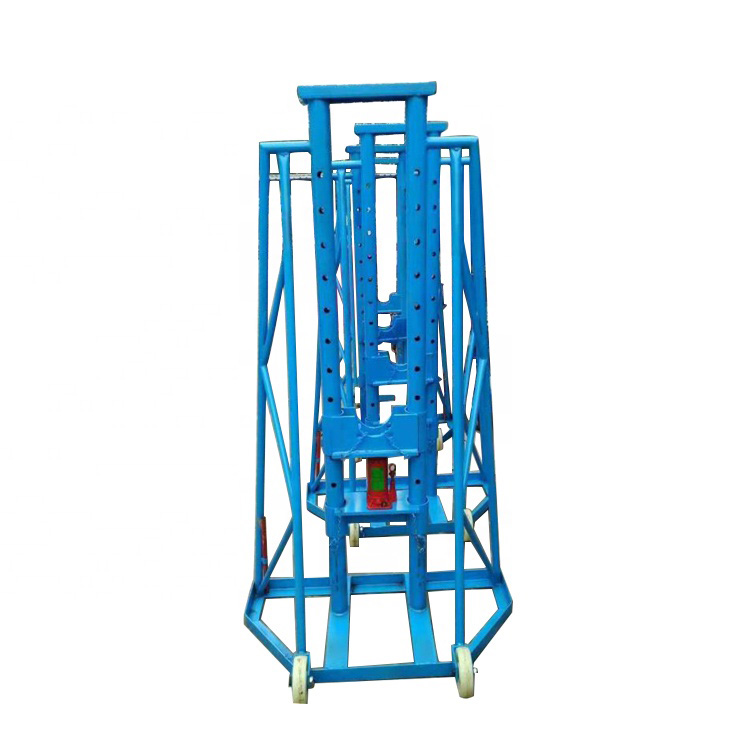
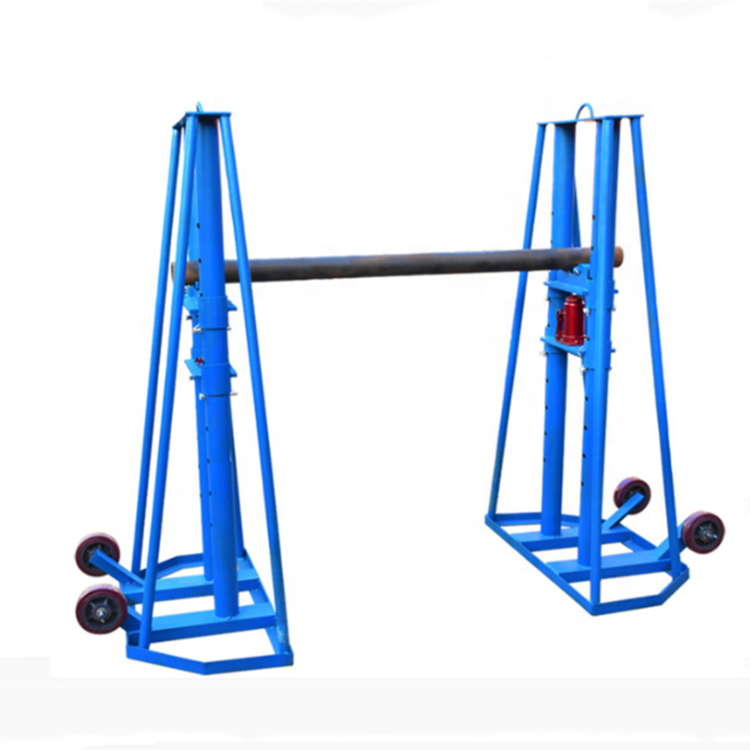
Understanding the Key Components of a Cable Drum Stand
Before discussing maintenance, it is important to understand the main components of a typical Cable Drum Stand:
Structural frame or support base
Axles or spindle shafts
Bearings or bushings
Adjustable lifting mechanisms
Fasteners and locking systems
Each component experiences mechanical stress during operation and requires specific inspection and care.
Routine Visual Inspection Before Use
Regular visual inspection is the foundation of effective maintenance. Before each use, operators should examine the cable drum stand for visible signs of damage or deformation.
Key areas to inspect include:
Bent frames or misaligned supports
Cracks or fatigue marks on load-bearing parts
Loose bolts, pins, or locking elements
Early detection of minor issues helps prevent larger failures during cable handling operations.
Cleaning to Prevent Corrosion and Debris Buildup
Cable drum stands are often used outdoors, where exposure to dust, moisture, and construction debris is unavoidable. Cleaning should be performed regularly to prevent contamination from affecting moving parts.
Recommended cleaning practices include:
Removing dirt and cable residue after each project
Wiping metal surfaces with dry or lightly oiled cloths
Avoiding high-pressure water near bearings or joints
Consistent cleaning helps preserve surface coatings and reduces corrosion risk.
Lubrication of Moving Parts
Lubrication is essential for maintaining smooth rotation and reducing friction. Bearings, axles, and adjustable lifting mechanisms should be lubricated according to usage frequency.
Best practices for lubrication:
Use appropriate industrial-grade lubricants
Apply lubricant evenly without over-greasing
Re-lubricate after prolonged storage or heavy use
Proper lubrication ensures stable cable rotation and minimizes wear over time.
Checking Load Capacity and Structural Integrity
Overloading is one of the most common causes of premature failure. Operators should always ensure the cable drum weight does not exceed the rated capacity of the Cable Drum Stand.
Periodic checks should include:
Verifying rated load limits
Inspecting axles for bending or stress marks
Ensuring lifting mechanisms operate smoothly under load
Maintaining structural integrity protects both equipment and personnel.
Tightening and Replacing Fasteners
Vibration and repeated use can loosen fasteners over time. Bolts, nuts, and locking pins should be checked regularly and tightened as necessary.
If any fastener shows signs of wear, corrosion, or deformation, replacement is recommended rather than reuse. Reliable fastening ensures overall stability during cable payout operations.
Storage Practices for Long-Term Durability
Proper storage significantly affects long-term performance. When not in use, cable drum stands should be stored in a dry, sheltered environment.
Storage recommendations include:
Keeping equipment off damp ground
Applying protective coatings if stored long-term
Covering stands to protect from dust and moisture
Correct storage reduces rust formation and extends service life.
Periodic Functional Testing
Even when not in constant use, periodic functional testing is advisable. This includes assembling the stand, rotating the axle, and verifying all adjustable components operate correctly.
Functional testing ensures readiness for future projects and identifies maintenance needs early.
Maintenance Documentation and Usage Records
Keeping basic maintenance records helps track usage frequency and service intervals. Simple logs noting inspections, lubrication, and part replacements improve long-term equipment management.
From a manufacturer and production standpoint, well-documented maintenance also supports consistent performance expectations in bulk supply environments.
Training Operators on Proper Use
Proper operation is an important part of maintenance. Operators should be trained to handle cable drum stands correctly, including lifting procedures, load limits, and locking mechanisms.
Correct usage minimizes unnecessary stress on components and reduces the likelihood of damage.
Conclusion: Extending the Service Life of Cable Drum Stands
A well-maintained Cable Drum Stand delivers reliable performance, improved safety, and long-term cost efficiency. Through routine inspection, cleaning, lubrication, and proper storage, users can significantly extend service life and reduce downtime.
By integrating maintenance into regular jobsite practices, cable installation teams ensure their equipment remains dependable across multiple projects and demanding working conditions.
References
GB/T 7714:Mobley R K. An introduction to predictive maintenance[M]. Elsevier, 2002.
MLA:Mobley, R. Keith. An introduction to predictive maintenance. Elsevier, 2002.
APA:Mobley, R. K. (2002). An introduction to predictive maintenance. Elsevier.