


How to Use a Duct Rodder for Cable Pulling
Author:jiujiu Release time:2025-11-15 12:24:16 Number of views:66order
In the world of cable pulling and conduit installation, the Duct Rodder remains one of the most efficient tools for guiding wires through long and complex duct systems. Known for its flexibility and durability, it allows technicians to push or pull cables smoothly, even through curved or underground pathways.
Whether used in electrical wiring or fiber optic installation, knowing how to handle a Duct Rodder properly ensures faster workflow, reduces physical strain, and prevents cable damage. As a professional manufacturer engaged in mass production, we’ll walk you through how to use this essential tool safely and effectively.
1. What Is a Duct Rodder and Why It Matters
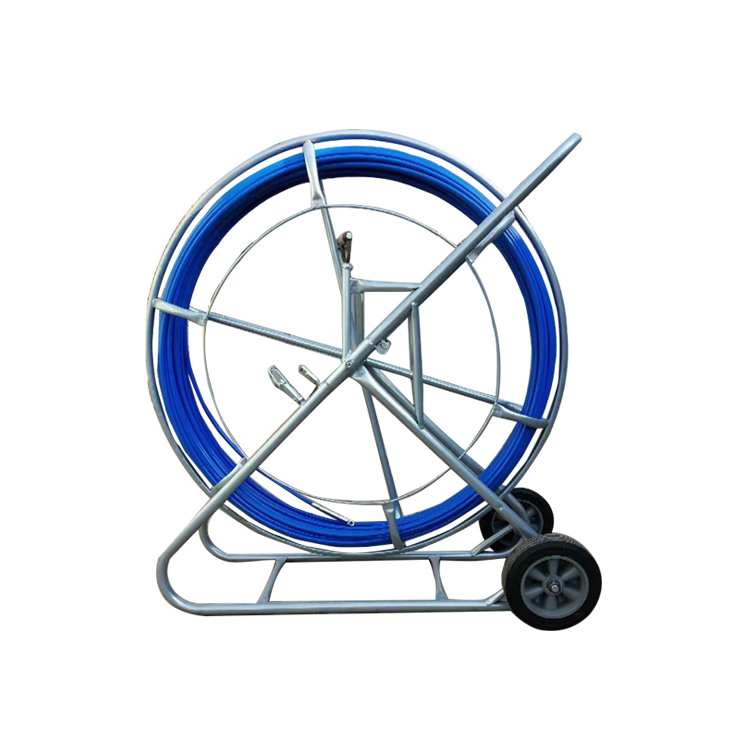
A Duct Rodder, sometimes called a conduit rod or push rod, is a non-conductive fiberglass rod wound on a portable reel. It’s engineered for strength, flexibility, and ease of use during cable pulling operations.
The core components include:
·Fiberglass rod – provides balance between rigidity and flexibility.
·Protective coating – reduces friction during insertion.
·Pulling head or threaded fitting – attaches to rope or cable.
·Storage reel – allows easy transport and retraction.
Its durable design and smooth surface make it suitable for both light and heavy-duty installation tasks.
2. Pre-Pulling Preparation
Before inserting the Duct Rodder, preparation is key to successful cable pulling:
1.Inspect the rod for any visible wear, cracks, or surface damage.
2.Check conduit alignment and remove blockages or dirt.
3.Lubricate the conduit interior to reduce friction.
4.Position the reel near the entry point for a direct, steady feed.
A few minutes of preparation can save hours of troubleshooting later.
3. Feeding the Duct Rodder into the Conduit
Begin inserting the rod gently into the conduit. Rotate the reel slightly while feeding to help the rod glide around bends and transitions. The fiberglass core offers enough stiffness to maintain direction while avoiding kinks or snaps.
If resistance is felt, don’t force the rod. Instead, withdraw a few feet, adjust the entry angle, and feed again. For longer runs, applying a light lubricant helps minimize drag.
4. Attaching the Pulling Rope
When the rod exits the opposite end of the conduit, attach your pulling rope or wire. Use a pulling eye, threaded connector, or a secure knot to join them. Wrapping the joint with electrical tape ensures it doesn’t snag during retraction.
This setup forms the guide path for the main cable pulling process. For heavy cables, using a swivel connector prevents twisting during the pull.
5. Performing the Cable Pull
Slowly retract the Duct Rodder, bringing the rope or wire back through the conduit. Attach the rope to the main cable with a pulling grip or mesh sock. Maintain consistent tension throughout the pull to prevent damage to both cable and conduit.
Professional installers often use two operators—one feeding the cable and one controlling the pull—to ensure a smooth, even process.
6. Inspecting and Cleaning After Use
Once cable pulling is complete, clean the Duct Rodder with a soft, dry cloth to remove any lubricant or dust. Check the pulling head and rod body for wear, and lubricate the reel mechanism if necessary.
Proper maintenance extends the rod’s lifespan and guarantees reliable performance for future use.
7. Safety Precautions During Cable Pulling
Although Duct Rodders are made from non-conductive materials, safety remains critical:
·Always wear protective gloves and safety glasses.
·Avoid bending the rod beyond its designed radius.
·Never insert it into live electrical conduits.
·Keep it stored indoors to prevent UV or moisture damage.
These steps ensure both operator safety and long-term tool reliability.
8. Benefits of Choosing a Professional Manufacturer
Purchasing from a reputable manufacturer ensures your Duct Rodder meets strict production standards. High-quality rods undergo multiple tensile and bending tests, ensuring uniform strength and flexibility.
Manufacturers with automated production facilities can deliver bulk orders with consistent quality—ideal for contractors, wholesalers, and industrial users. Investing in such products ensures stability, safety, and long-term value.
9. Advanced Applications in Cable Pulling
Beyond standard electrical wiring, Duct Rodders are also used in:
·Fiber optic line installations
·Telecommunication networks
·Underground utility conduit mapping
·Pipeline inspection assistance
Their adaptability across multiple industries makes them one of the most versatile tools in professional cable pulling.
10. Expert Tips for Efficiency
To maximize efficiency during duct operations:
·Keep rods clean and free of buildup.
·Store on a level surface to prevent reel distortion.
·Use appropriate diameter rods for conduit size.
·Replace worn pulling heads immediately.
Following these practices improves accuracy and safety on every project.
Conclusion
In modern electrical and communication work, the Duct Rodder is a must-have tool for efficient cable pulling. Its unique blend of strength, flexibility, and safety features allows professionals to complete installations faster and with less effort.
When you choose a manufacturer-produced Duct Rodder, you benefit from tested materials, consistent quality, and large-scale production that supports demanding job requirements. Whether for underground wiring or fiber installation, this tool remains an industry staple that ensures reliability and precision in every pull.
References
GB/T 7714:Weitz G. Prediction and minimization of fiber optic cable pulling tensions[J]. IEEE journal on selected areas in communications, 1986, 4(5): 686-690.
MLA:Weitz, Gene. "Prediction and minimization of fiber optic cable pulling tensions." IEEE journal on selected areas in communications 4.5 (1986): 686-690.
APA:Weitz, G. (1986). Prediction and minimization of fiber optic cable pulling tensions. IEEE journal on selected areas in communications, 4(5), 686-690.