


Safety Guidelines for Using Fish Tape on Site
Author:jiujiu Release time:2025-12-21 23:00:07 Number of views:182order
Why Fish Tape Safety Should Never Be Overlooked
Fish tape is a fundamental tool in electrical and cable installation, widely used to pull wires through conduits, walls, ceilings, and enclosed spaces. Its flexibility and reach make it highly effective, but improper use can lead to injuries, damaged cables, or job-site delays.
From a manufacturing perspective, fish tape is engineered through controlled production processes to deliver strength, flexibility, and durability. From a user perspective, safety depends on correct handling, environmental awareness, and disciplined work habits. This guide outlines practical safety guidelines to help professionals use fish tape efficiently and responsibly on site.
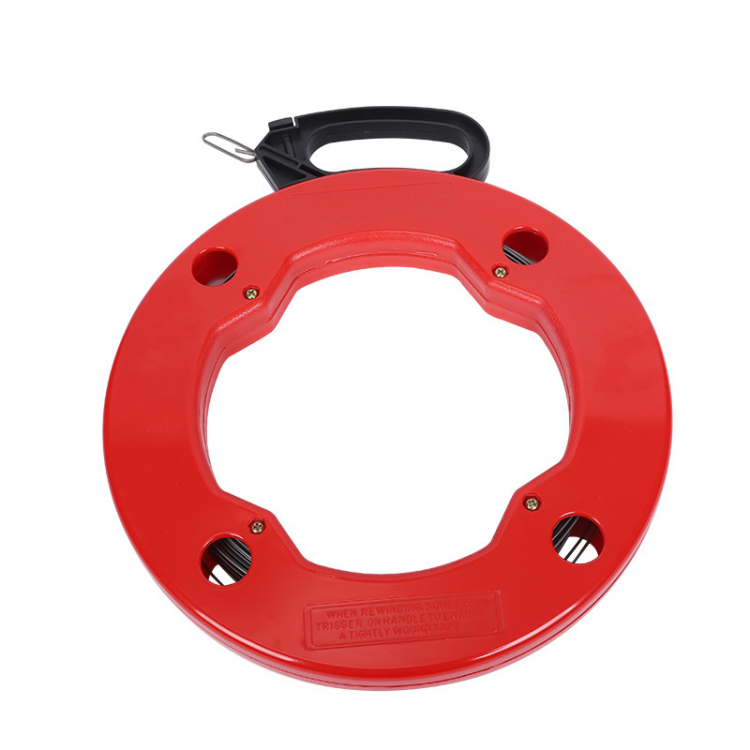
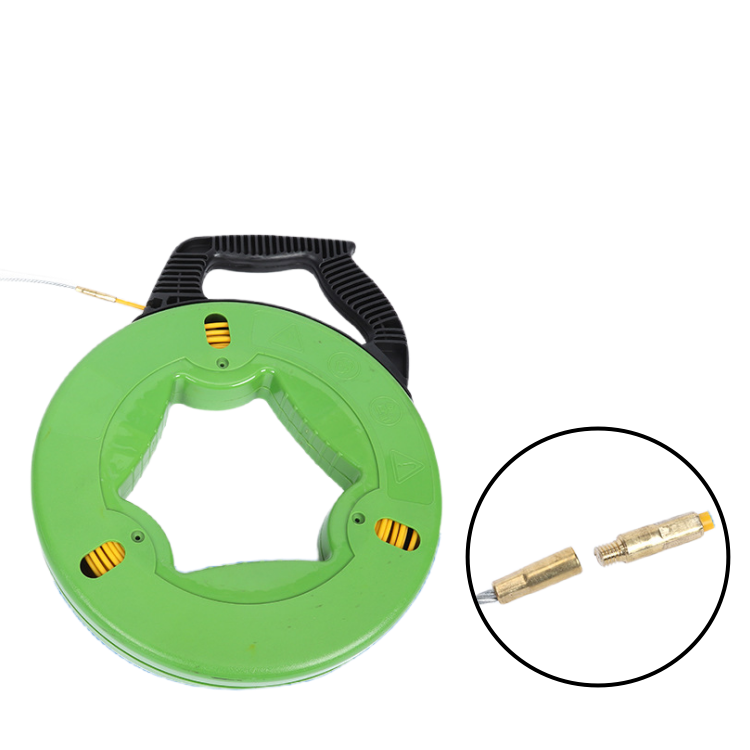
Understanding Fish Tape and Common Applications
Fish tape is typically made from steel, stainless steel, or fiberglass, each material serving different installation needs. Steel fish tape offers strength for long conduit runs, while fiberglass fish tape provides non-conductive safety advantages in electrical environments.
Common applications include:
·Electrical wiring installation
·Data and communication cabling
·Retrofit and renovation projects
·Industrial and commercial construction
Although fish tape production focuses on performance and reliability, misuse can still create hazards if safety principles are ignored.
Inspect Fish Tape Before Every Job
Before using fish tape on site, a thorough inspection is essential.
Key inspection points:
·Check for cracks, fraying, or kinks along the tape
·Ensure the reel mechanism operates smoothly
·Confirm that pulling eyes and tips are securely attached
Damaged fish tape can snap or recoil unexpectedly, potentially causing hand or facial injuries. Manufacturers design fish tape for repeated use, but wear and tear over time can compromise safety if not addressed.
Choose the Right Fish Tape for the Environment
Selecting the correct type of fish tape is a critical safety decision.
Consider the following:
·Use fiberglass fish tape in environments with potential live electrical circuits
·Select steel fish tape only when electrical hazards are fully controlled
·Match tape length and stiffness to conduit size and routing complexity
Responsible manufacturers offer fish tape in multiple specifications to support safe use across different installation scenarios, especially in large-scale or bulk supply applications.
Wear Appropriate Personal Protective Equipment (PPE)
Personal protective equipment plays a major role in preventing fish tape-related injuries.
Recommended PPE includes:
·Cut-resistant gloves to protect hands from sharp edges
·Safety glasses to guard against sudden tape recoil
·Long sleeves to reduce skin exposure during pulling operations
Even fish tape produced under strict quality control standards cannot eliminate risks entirely. PPE remains a basic and necessary layer of protection on all job sites.
Control Tension and Avoid Sudden Force
One of the most common causes of fish tape accidents is excessive force.
Safe handling guidelines:
·Feed and retrieve fish tape slowly and steadily
·Avoid sudden jerks or aggressive pulling
·Stop immediately if resistance increases unexpectedly
Over-tensioning can cause fish tape to snap back toward the operator. Proper technique, combined with tools manufactured for consistent performance, significantly reduces this risk.
Maintain Awareness of Surrounding Hazards
Job sites often contain hidden dangers that can interact with fish tape use.
Potential hazards include:
·Sharp conduit edges
·Residual moisture inside raceways
·Obstructions such as screws or debris
Before deploying fish tape, assess the route and remove obstacles where possible. Fish tape should never be used as a probe for live electrical systems, regardless of material type.
Use Compatible Accessories and Attachments
Fish tape is commonly used with leaders, pulling grips, and connectors. Using incompatible accessories can compromise both safety and performance.
Best practices:
·Use only attachments designed for the tape’s width and strength
·Ensure connections are fully secured before pulling
·Avoid improvised or makeshift attachments
Manufacturers focused on fish tape production and bulk distribution typically test accessories for compatibility to ensure safe cable pulling under load.
Proper Storage and Transport of Fish Tape
How fish tape is stored and transported has a direct impact on safety and longevity.
Storage recommendations:
·Keep fish tape clean and dry after use
·Retract tape fully into its reel or housing
·Avoid crushing or bending during transport
Proper storage preserves tape integrity and helps maintain consistent performance across repeated installations.
Training and Team Coordination on Site
Even the best tools require skilled operators.
Effective safety practices include:
·Training workers on correct fish tape handling techniques
·Coordinating movements when pulling cables in teams
·Establishing clear communication to prevent sudden force application
From a manufacturing standpoint, fish tape is designed to meet professional demands. From an operational standpoint, training ensures those design benefits translate into safe outcomes.
Conclusion: Safe Fish Tape Use Starts with Quality Tools and Proper Practices
Fish tape is an indispensable tool in modern cable installation, but safety should always remain a priority. Proper inspection, material selection, controlled force, and protective equipment all contribute to safer job-site operations.
When fish tape is produced through reliable manufacturing processes and supplied in bulk for professional use, it provides consistent performance under demanding conditions. When combined with disciplined safety practices, it becomes a dependable solution for efficient and injury-free cable installation.
References
GB/T 7714:Haslam R A, Hide S A, Gibb A G F, et al. Contributing factors in construction accidents[J]. Applied ergonomics, 2005, 36(4): 401-415.
MLA:Haslam, Roger A., et al. "Contributing factors in construction accidents." Applied ergonomics 36.4 (2005): 401-415.
APA:Haslam, R. A., Hide, S. A., Gibb, A. G., Gyi, D. E., Pavitt, T., Atkinson, S., & Duff, A. R. (2005). Contributing factors in construction accidents. Applied ergonomics, 36(4), 401-415.