


Step-by-Step Setup for Reel Jack Stands
Author:jiujiu Release time:2025-12-15 19:36:12 Number of views:84order
Reliable lifting and controlled payout of cable reels begin with proper use of Reel Jack Stands. These essential support tools ensure that heavy cable drums remain stable during rotation and unwinding—critical for both safety and workflow efficiency. When sourced from a specialized Manufacturer known for consistent Production quality and the ability to supply in bulk, the stands provide long-term reliability in demanding industrial or construction environments.
Below is a fully detailed, step-by-step setup procedure that crews can follow to ensure safe and effective operation on any job site.
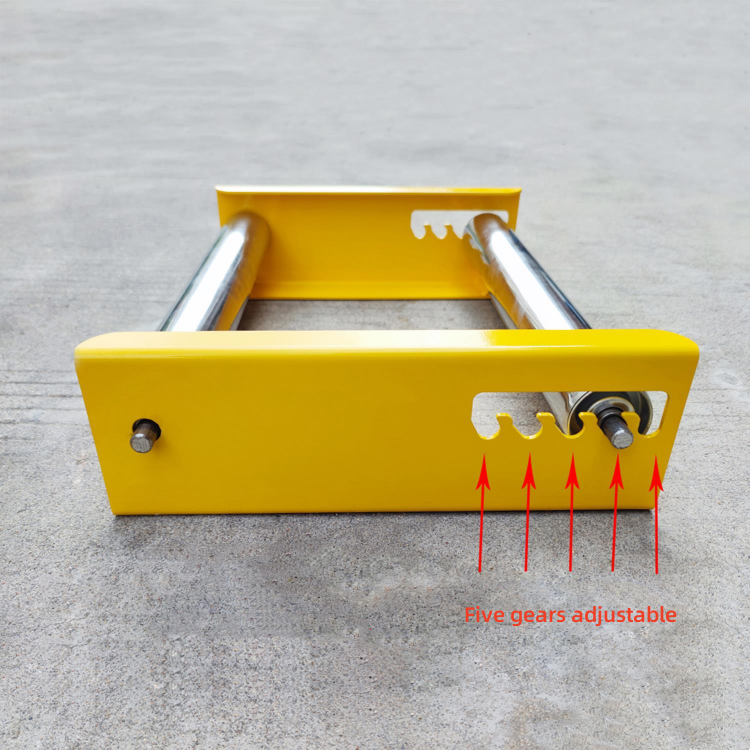
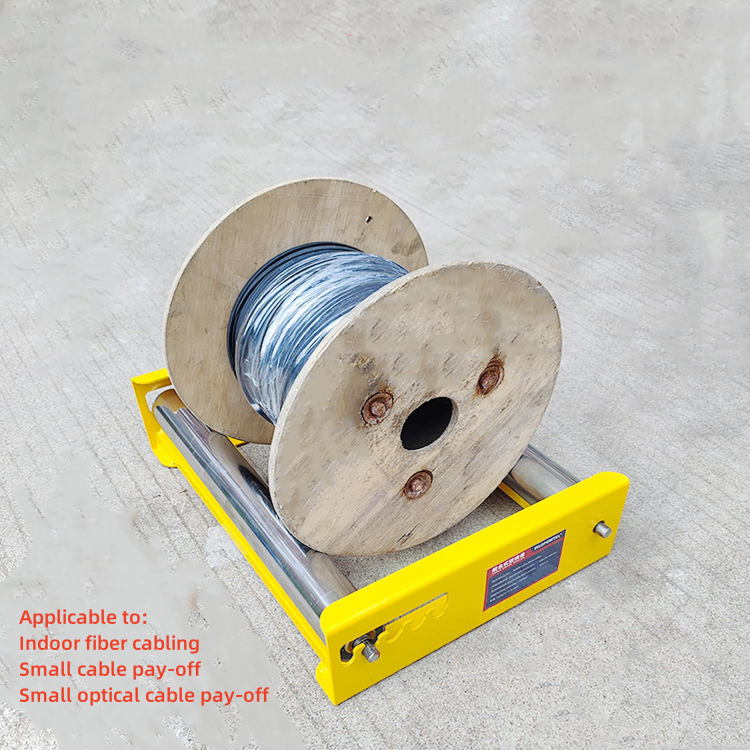
1. Evaluate Ground Conditions Before Setting Up
The setup process begins long before lifting the reel. A stable foundation is the most important factor in safe operation.
Before placement, check:
·Whether the soil or surface is firm and level
·If the area is free from clutter, stone, or waste material
·Adequate clearance for workers and cable pulling machinery
·Potential interference from vehicles or site traffic
An unstable surface can cause stand shifting, reducing safety and control.
2. Confirm Load Ratings and Reel Specifications
Every cable drum has a specific weight, and every set of Reel Jack Stands has a maximum load capacity. Matching these two values accurately prevents structural stress or collapse.
Ensure the following:
·The reel’s weight (drum + cable) is verified
·The spindle can withstand the full load
·Both stands share the load evenly
·All components are designed for the reel size
Never rely on assumptions—load information should always be checked beforehand.
3. Align Stands Properly on Both Sides of the Reel
Correct positioning is crucial for balance. The stands must be arranged so that the reel maintains equal spacing from each side.
Key alignment steps:
·Place stands parallel to each other
·Confirm orientation is symmetrical
·Adjust stand bases or leveling feet if the ground is uneven
·Make sure the distance allows smooth spindle insertion
Precise placement reduces the risk of side-to-side wobbling once elevated.
4. Insert the Spindle Fully and Center the Drum
With the stands aligned, the spindle (also called the axle bar) is inserted through the reel’s core.
Follow this sequence:
1.Slide the spindle through the central opening of the reel.
2.Confirm that similar lengths extend on both ends.
3.Lower the spindle into each stand’s cradle or bearing socket.
4.Test the reel’s rotational freedom before lifting.
A centered spindle is essential for controlled, uniform rotation during payout.
5. Raise the Reel in Smooth, Controlled Increments
Lifting is often the most critical step. Whether hydraulic or mechanical, both stands must rise together to maintain balance.
During lifting:
·Raise each side gradually and in equal steps
·Observe for tilting, shifting, or unusual noise
·Stop immediately if the reel shifts abruptly
·Avoid lifting the reel higher than necessary
Slow and coordinated elevation helps maintain mechanical integrity and operator safety.
6. Verify Full Stability After Elevation
Before any cable payout begins, carefully inspect the system. Stability checks ensure the reel will not lean, drop, or rotate unintentionally.
Confirm that:
·Both stands rest firmly and evenly on the ground
·The spindle remains fully seated in both cradles
·The reel rotates smoothly and stays centered
·There is no lateral swing or vibration
Taking a moment to verify alignment can prevent major issues during operation.
7. Control the Reel’s Rotation During Use
A lifted reel must never be allowed to spin freely. Managing rotation avoids cable damage and workplace injuries.
Best practices include:
·Applying braking or tensioning mechanisms when available
·Keeping hands and feet away from rotating components
·Pulling cable at a steady, consistent pace
·Maintaining clear communication between operators
Controlled rotation ensures predictable payout and safer working conditions.
8. Keep the Work Zone Organized at All Times
A clutter-free workspace supports smooth workflow and minimizes risks.
To maintain safety:
·Remove unnecessary tools from the area
·Keep cut cable pieces organized and away from the reel
·Maintain a wide, clear arc around the rotating drum
·Ensure the pulling path is unobstructed
Good housekeeping is one of the simplest ways to reduce accidents.
9. Lower the Reel and Pack Up Carefully After Use
Disassembly and lowering require the same caution used during lifting.
Proceed as follows:
1.Lower both sides evenly and gradually.
2.Remove the spindle after the reel is securely grounded.
3.Clean the stands of dust, mud, and cable residue.
4.Inspect parts before placing them into storage.
Stands made with dependable Production processes typically show less wear and maintain performance even after repeated operations.
Conclusion
From preparation to disassembly, each phase of the setup process plays a role in safe and efficient operation of Reel Jack Stands. Proper ground assessment, correct alignment, controlled lifting, and regulated reel rotation all contribute to a secure environment. Choosing stands from a trustworthy Manufacturer with strong Production capability and stable bulk supply ensures equipment reliability for long-term field use. No matter the scale of your cable handling tasks, mastering these setup steps ensures that Reel Jack Stands remain one of the most dependable tools on the job site.
References
GB/T 7714:Abdelhamid T S, Everett J G. Identifying root causes of construction accidents[J]. Journal of construction engineering and management, 2000, 126(1): 52-60.
MLA:Abdelhamid, Tariq S., and John G. Everett. "Identifying root causes of construction accidents." Journal of construction engineering and management 126.1 (2000): 52-60.
APA:Abdelhamid, T. S., & Everett, J. G. (2000). Identifying root causes of construction accidents. Journal of construction engineering and management, 126(1), 52-60.