


The Ultimate Guide to Choosing the Right Fish Tape Length
Author:jiujiu Release time:2025-11-21 10:32:03 Number of views:68order
When electricians or installers plan a wiring project—whether inside a home, across a commercial building, or through long conduit routes—the first tool many reach for is the Fish Tape. This simple yet essential device makes it possible to push or pull wires through tight, concealed, or curved pathways. But one factor determines how effectively you’ll work in different environments: choosing the right fish tape length.
Selecting the proper length is especially important for professionals who rely on reliable tools, as well as buyers sourcing from a large-scale manufacturer or equipment production supplier. In this guide, you’ll discover how to determine the ideal fish tape length for any installation scenario.
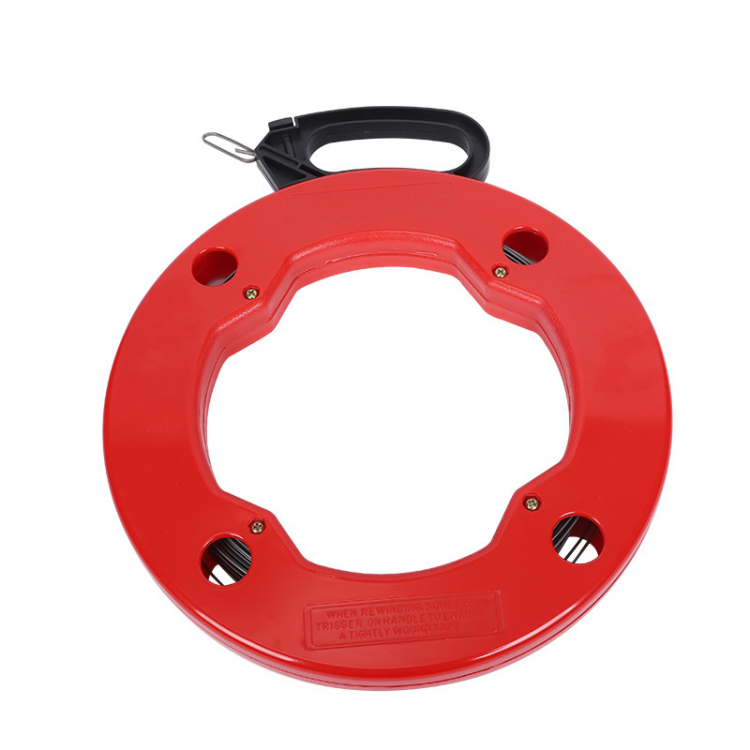
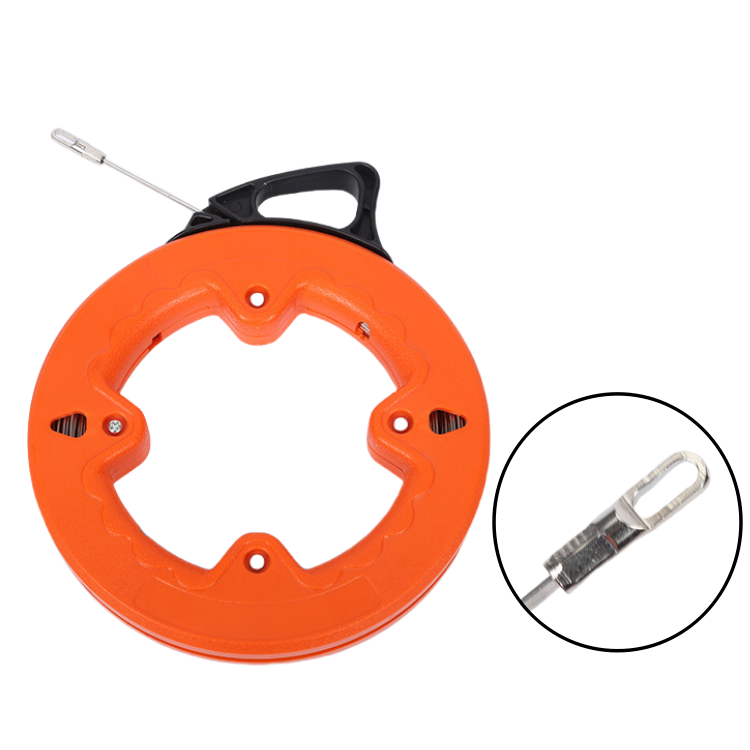
Why Fish Tape Length Plays a Critical Role
At first glance, Fish Tape may appear straightforward. However, the length you choose can dramatically influence how smoothly your job goes. Correct length improves efficiency and reduces strain on both the tool and the user, while an incorrect length can create unnecessary complications.
The right fish tape length helps you:
·Complete wire pulls faster
·Avoid excessive bending or binding in conduits
·Move through long pathways without interruption
·Reduce physical fatigue
·Maintain better safety control
In short, selecting the appropriate length sets the foundation for a successful wiring run.
Standard Fish Tape Lengths and Their Uses
Fish Tapes are produced in a wide range of lengths to support different wiring situations. While variations exist, common lengths include:
·25 ft (about 8 m)
·50 ft (about 15 m)
·75 ft (about 23 m)
·100 ft (about 30 m)
·125 ft (about 38 m)
·150–200+ ft for demanding projects
Each length excels in a specific type of environment, and choosing based on your workspace ensures smoother cable pulling.
Best Lengths for Residential Installations
Home wiring tasks are typically more compact and involve shorter conduit paths. In these cases, smaller and lighter tapes work best.
25 to 50 ft
This range is suitable for:
·Running wires behind drywall
·Connecting switches and outlets
·Routing cables in ceilings or attics
·Simple repair or upgrade projects
Shorter fish tapes are easier to control and maneuver in confined residential structures. They also reduce the chance of unwanted kinks in tight spaces.
Ideal Fish Tape Length for Commercial Projects
Commercial buildings often contain longer wire routes, suspended ceilings, and interconnected conduit networks. These setups require longer lengths to avoid adding multiple extension points.
75 to 125 ft
This range is ideal for:
·Multi-room wiring
·Connecting electrical rooms
·Routing cables through service corridors
·Drops from ceiling grids or raised floors
A mid-range length provides extended reach while still maintaining manageable handling.
Best Fish Tape Length for Industrial or Large-Scale Environments
Industrial settings—such as factories, warehouses, and outdoor installations—often involve significant distances and tougher conduit demands. These projects call for some of the longest fish tape options available.
150 ft and beyond
Recommended for:
·Underground conduit runs
·Long straight industrial pathways
·Outdoor-to-indoor transitions
·Multi-level infrastructure wiring
Longer Fish Tape allows you to handle extensive pathways in a single push, improving continuity and reducing the need for multiple pulls.
How to Choose the Correct Length: Key Factors
While general guidelines help, choosing the exact length requires evaluating several practical considerations:
1. Total Conduit Distance
Measure or estimate the distance—not just the straight line, but including all bends. Bends add friction and may require extra length.
2. Type of Conduit Path
Flexible or curved conduits may need additional tolerance beyond the measured length, while rigid straight conduits may allow a closer match.
3. Jobsite Environment
Indoor retrofits, new commercial installations, and outdoor utility work all demand different lengths to work efficiently.
4. Handling Preferences
Longer tapes provide reach but are heavier and require more control. Shorter tapes are easier to handle but may fall short for bigger projects.
5. Tape Material
Steel, fiberglass, and nylon tapes behave differently.
·Steel works best for long, straight runs
·Fiberglass and nylon bend easily for curves
Material should complement the selected length.
Should You Choose Longer or Match the Exact Distance?
A common question is whether to select a fish tape exactly equal to your measurement or slightly longer. In professional practice, choosing a tape that exceeds the measured distance by a modest margin is safer. Unexpected obstacles, extra turns, or conduit inconsistencies can require additional length.
However, selecting a length far beyond what you need is not desirable. Excessively long tapes are more difficult to retract, more prone to tangling, and harder to maneuver. Aim for balance: enough extra length to work confidently without excess weight or bulk.
Practical Tips for Using Any Fish Tape Length Effectively
No matter which fish tape length you choose, the following habits help ensure smoother operation:
·Keep tension consistent while feeding the tape
·Apply wire lubricant for long or difficult pulls
·Make sure conduits are clear when possible
·Pull steadily rather than quickly
·Coil and store the tape properly to preserve shape
These small steps significantly improve the lifespan and usability of your Fish Tape.
Conclusion: Select the Right Fish Tape Length for Every Project
Choosing the correct Fish Tape length is essential for efficient and professional-quality wiring work. Residential settings usually require short, manageable tapes; commercial environments benefit from mid-range lengths; and industrial or large-scale operations demand extended reach.
By evaluating conduit distance, environment, material, and handling preferences, you’ll select the right fish tape length with confidence.
Whether you're a contractor, technician, or sourcing tools from a skilled manufacturer or high-capacity production operation, the right Fish Tape length ensures cleaner installations, improved workflow, and reliable results every time.
References
GB/T 7714:Gönen T, Ten C W, Mehrizi-Sani A. Electric power distribution engineering[M]. CRC press, 2024.
MLA:Gönen, Turan, Chee-Wooi Ten, and Ali Mehrizi-Sani. Electric power distribution engineering. CRC press, 2024.
APA:Gönen, T., Ten, C. W., & Mehrizi-Sani, A. (2024). Electric power distribution engineering. CRC press.