


Top 5 Cable Pulling Tools Every Electrician Should Know
Author:jiujiu Release time:2025-11-14 11:30:56 Number of views:172order
In any electrical installation, the quality and efficiency of the job depend heavily on the tools you use. Among the essentials, Cable Pulling Tools play a vital role in ensuring that cables are installed safely, efficiently, and without damage.
Every electrician knows that the right pulling equipment saves time, prevents costly mistakes, and enhances overall job safety. As a professional manufacturer with established production capabilities, we’ve compiled a list of the top five Cable Pulling Tools that every installer should be familiar with — tools designed to make your next wiring project smoother and more reliable.
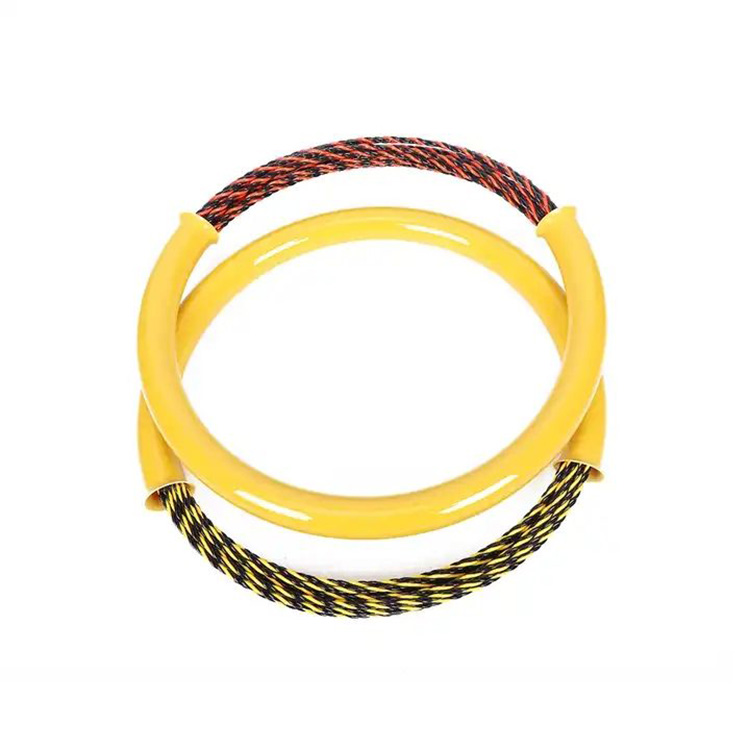
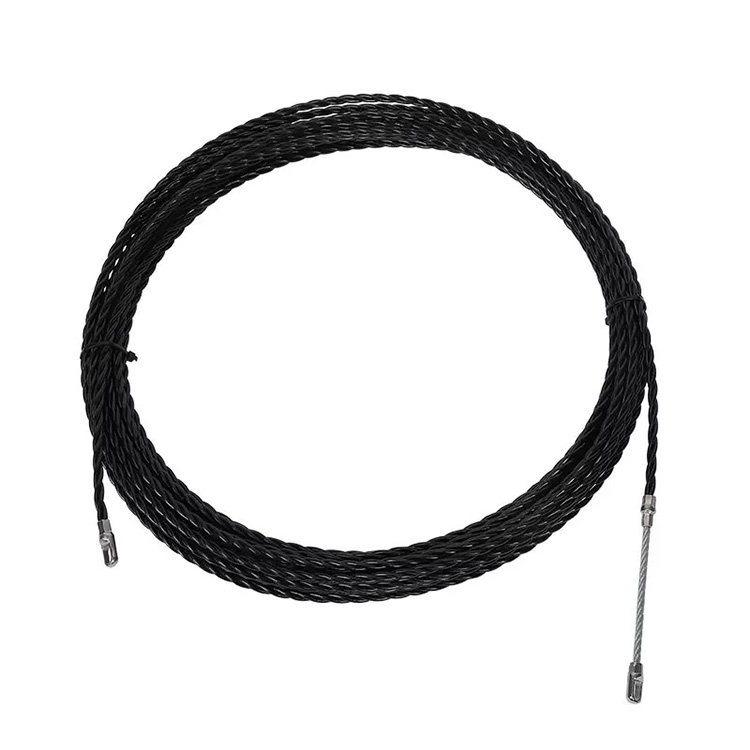
1. Cable Pulling Grips
A Cable Pulling Grip is the first line of defense when it comes to securing cables during installation. Constructed from durable wire mesh or synthetic fibers, it tightly grips the cable as tension increases, keeping it stable and preventing slippage.
Why It’s Essential:
·Distributes pulling tension evenly
·Prevents cable jacket damage
·Works well for both short and long conduit runs
High-tensile pulling grips are often engineered by specialized manufacturers who design them for heavy-duty industrial use, ensuring a longer service life and maximum safety under load.
2. Cable Pulling Lubricant
Friction is the silent enemy of cable pulling. A good Cable Pulling Lubricant minimizes resistance as cables move through conduits or ducts, reducing strain on both tools and cables.
Key Benefits:
·Protects insulation from friction burns
·Increases pulling distance with less effort
·Non-toxic and easy to clean
For professional electricians, the right lubricant is indispensable for maintaining consistent performance across large-scale installations.
3. Polyester Cable Puller (High-Strength Rope)
When you need reliability and precision, a Polyester Cable Puller—commonly known as a pulling rope—is your best companion. Made from high-tenacity polyester fibers, it offers superior strength and low elongation under stress.
Advantages:
·Lightweight yet strong enough for industrial cables
·Resistant to moisture and corrosion
·Non-conductive and safe for electrical work
Our production of polyester cable pullers emphasizes strict tensile testing and fiber consistency, ensuring each length meets the demanding standards of modern installations.
4. Cable Rollers and Conduit Feeders
Managing cable movement across long distances can be tough without proper support. That’s where Cable Rollers and Conduit Feeders come in. They keep cables elevated, aligned, and protected from abrasion during pulling.
Features and Benefits:
·Reduce drag and bending stress
·Suitable for straight runs and corner pulls
·Durable frame construction for stability
Installing rollers evenly along the pulling path maintains steady tension and prevents kinks, helping cables glide effortlessly through conduits.
5. Cable Pulling Winch
For heavy or long-distance cable runs, the Cable Pulling Winch is the powerhouse of your toolkit. This mechanical device applies consistent pulling force, replacing the physical strain of manual effort with precision and control.
Why You Need It:
·Ideal for industrial and underground installations
·Provides adjustable speed and torque control
·Prevents overstressing or snapping cables
A quality winch ensures the pulling process remains steady and safe, even with heavy utility cables.
Bonus Tool: Cable Reels and Drum Jacks
Although not part of the core five, Cable Reels and Drum Jacks are essential accessories that simplify cable handling. They help keep cables organized, prevent tangles, and maintain uniform tension throughout the pull.
Installation Tip:
Always mount cable drums securely on jacks to allow smooth rotation and even payout during installation.
Selecting the Right Cable Pulling Tools
Choosing the correct Cable Pulling Tools depends on the type of project, cable specifications, and installation environment. A thoughtful selection can significantly enhance job efficiency and safety.
Key Considerations:
·Cable Weight & Diameter: Heavier cables need stronger grips and ropes.
·Distance: Longer routes require winches and multiple rollers.
·Material Compatibility: Choose non-conductive materials for electrical work.
·Environmental Conditions: Opt for corrosion-resistant materials for outdoor use.
Matching the right tool to the right job guarantees smoother installations and reduces long-term maintenance issues.
Manufacturer’s Insight: Quality through Precision Production
From a manufacturer’s perspective, designing and producing reliable Cable Pulling Tools demands consistency and precision. Each stage of production—from raw material testing to tensile verification—is carefully controlled to ensure every product meets performance standards.
Engineers continuously refine the balance between durability, safety, and efficiency, ensuring electricians can depend on tools that perform perfectly on every job site.
Conclusion
In the fast-paced world of electrical work, using the proper Cable Pulling Tools isn’t just a matter of convenience—it’s a necessity for safety, productivity, and quality assurance.
From grips and lubricants to polyester pullers, rollers, and winches, each tool contributes to smoother installations and longer cable lifespan. Choosing equipment from a trusted manufacturer with advanced production capabilities ensures you receive durable, tested, and efficient solutions that support both small and large projects.
No matter the scale of your next installation, remember: reliable Cable Pulling Tools are the backbone of every successful electrical job.
References
GB/T 7714:Halabi Y, Xu H, Yu Z, et al. Experimental-based statistical models for the tensile characterization of synthetic fiber ropes: a machine learning approach[J]. Scientific Reports, 2023, 13(1): 17768.
MLA:Halabi, Yahia, et al. "Experimental-based statistical models for the tensile characterization of synthetic fiber ropes: a machine learning approach." Scientific Reports 13.1 (2023): 17768.
APA:Halabi, Y., Xu, H., Yu, Z., Alhaddad, W., & Dreier, I. (2023). Experimental-based statistical models for the tensile characterization of synthetic fiber ropes: a machine learning approach. Scientific Reports, 13(1), 17768.