


Understanding Electrical Wire Pullers for Tight Spaces
Author:jiujiu Release time:2025-11-21 10:32:03 Number of views:103order
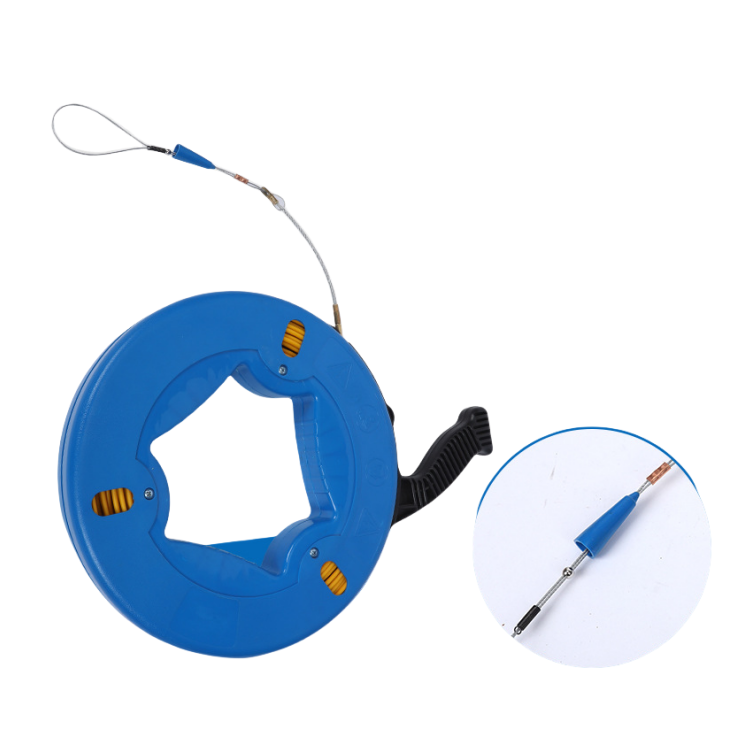
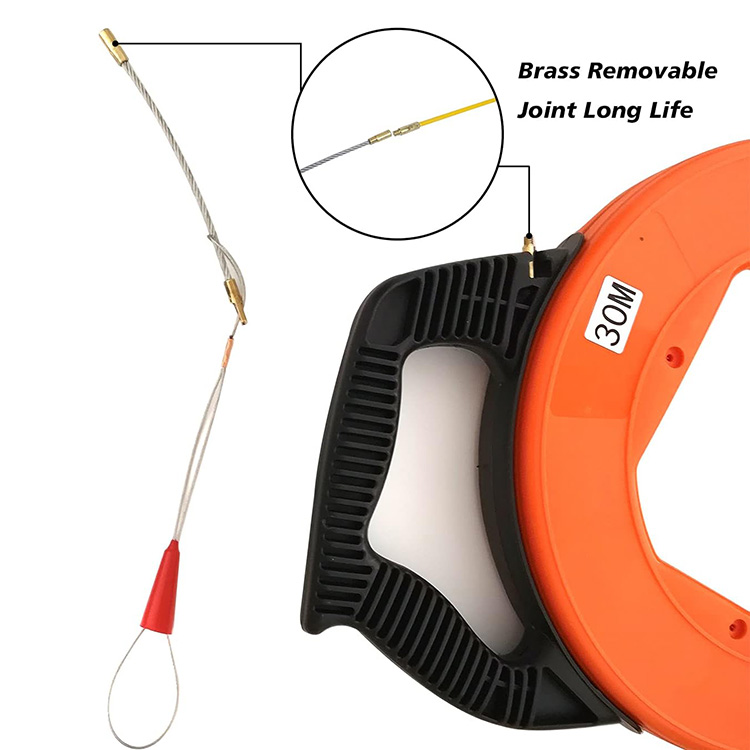
When installing electrical wiring in narrow or concealed pathways, professionals rely heavily on the Electrical Wire Puller. These tools allow installers to guide wires through tight openings, sharp bends, and confined structural cavities where manual feeding would be nearly impossible. Whether you're sourcing tools from a specialized manufacturer or a facility with high-volume production capabilities, knowing how wire pullers function in restricted spaces is essential for efficient electrical work.
Why Tight Spaces Demand Specialized Wire Pulling Tools
Buildings are rarely designed with wiring flexibility in mind. Behind the clean surfaces of walls, ceilings, or utility channels lie irregular studs, aging conduits, mechanical obstacles, and pathways that twist unpredictably. This is why the appropriate Electrical Wire Puller plays a central role.
In cramped conditions, the tool must:
·Navigate obstructions without snagging
·Provide enough stiffness to move forward
·Remain flexible enough for curves
·Minimize stress on the conductor
·Allow the installer to maintain fine control
Without the right puller, a simple wiring task can turn into hours of manual struggle.
How Electrical Wire Pullers Operate in Constrained Areas
Although styles differ, most pullers follow a similar workflow tailored for tight spaces:
1. Insertion and Advancement
The puller—often a tape, rod, or specialized line—is guided into the cavity or conduit. The material choice influences how smoothly it travels:
·Stiffer materials help with forward movement
·Flexible materials handle curves and corners
2. Establishing a Path
Once the puller emerges from the opposite side or junction point, the electrical conductor is attached using a hook, eyelet, or secure knot.
3. The Pull-Through Phase
The installer slowly retracts the tool, drawing the cable along the exact route established by the puller.
4. Navigating Obstacles
Low-clearance spaces require tools that can rebound from minor obstructions, absorb tension, and avoid twisting under load.
Every stage of this process is influenced by the puller’s design, length, and material composition.
Types of Electrical Wire Pullers Best Suited for Tight Spaces
Different environments call for different puller styles. For restricted spaces, the following types are the most commonly used:
Fiberglass Pullers
Highly flexible, ideal for bends or unpredictable paths. Fiberglass tools are favored during renovations where existing infrastructure restricts movement.
Steel Tape Pullers
Known for rigidity and long-distance push strength. These are useful in straight conduits or long horizontal runs where flexibility is less important.
Nylon or Polymer Pull Lines
Extremely maneuverable, making them the preferred option for short, extremely confined pathways where thick materials would catch or bind.
Modular Pull Rods
Rod kits that link together to create a custom length. Their segmented design allows installers to steer around corners with precision.
Each type brings different advantages to tight-space wiring, allowing professionals to match the tool to the environment.
Essential Features to Consider for Tight-Space Work
Choosing an Electrical Wire Puller for constrained areas involves evaluating multiple design characteristics:
1. Balance Between Flex and Push Strength
A tool that’s too flexible collapses; one that’s too rigid gets stuck. Tight environments require a careful balance.
2. Puller Head Geometry
Smooth, rounded heads reduce friction and help the tool slide past corners, insulation, or bundled cables without snagging.
3. Surface Finish and Coating
A low-friction exterior improves gliding performance, especially in older conduits where internal walls may not be smooth.
4. Material Endurance
Strong materials resist cracking during tension spikes, an issue common in tight installations with frequent directional changes.
5. Ergonomic Handling
In constrained areas, where installers may have limited mobility, a compact reel or storage system makes a significant difference.
Where Electrical Wire Pullers Are Most Often Used in Tight Spaces
These tools play a vital role across a wide range of environments:
·Inside narrow wall cavities in homes or commercial units
·Above suspended ceilings with limited access panels
·Inside metal or PVC conduits with sharp bends
·Beneath raised floors or within server rack infrastructure
·In older buildings with irregular utility chases
Any environment where your arm or a bulkier tool cannot comfortably reach calls for the precise control of an Electrical Wire Puller.
Working More Efficiently in Confined Wiring Paths
Even with the right tool, tight-space wiring requires proper technique. Installers can optimize performance by:
Using Electrical Lubricant When Needed
The reduced friction is critical during long or multi-bend pulls.
Feeding Slowly to Maintain Direction
Fast movements cause buckling or misalignment.
Keeping Tension Consistent
Steady pressure reduces stress on both the puller and the conductor.
Avoiding Sudden Force
Quick yanks may damage cable insulation or deform the pathway.
Inspecting Entry and Exit Points
Even a quick visual check reveals alignment issues before pulling the conductor.
These habits preserve the tool, reduce rework, and protect the wire.
Conclusion: The Right Electrical Wire Puller Makes Tight-Space Wiring Practical
A dependable Electrical Wire Puller transforms complex wiring routes into manageable tasks, even when space is extremely limited. Understanding how different pullers function, which materials perform best in tight pathways, and what features support difficult pulls allows technicians to complete installations with confidence and efficiency.
Whether you’re a field electrician, a technician, or someone sourcing tools from a specialized manufacturer or high-output production supplier, selecting the right Electrical Wire Puller ensures safe, smooth, and predictable results in any tight-space electrical project.
References
GB/T 7714:Stauffer H B, Rosenberg P A. Residential Wiring[M]. Jones & Bartlett Publishers, 2008.
MLA:Stauffer, H. Brooke, and Paul A. Rosenberg. Residential Wiring. Jones & Bartlett Publishers, 2008.
APA:Stauffer, H. B., & Rosenberg, P. A. (2008). Residential Wiring. Jones & Bartlett Publishers.