


5 Common Mistakes to Avoid When Using Fish Tape
Author:jiujiu Release time:2026-01-28 15:09:34 Number of views:118order
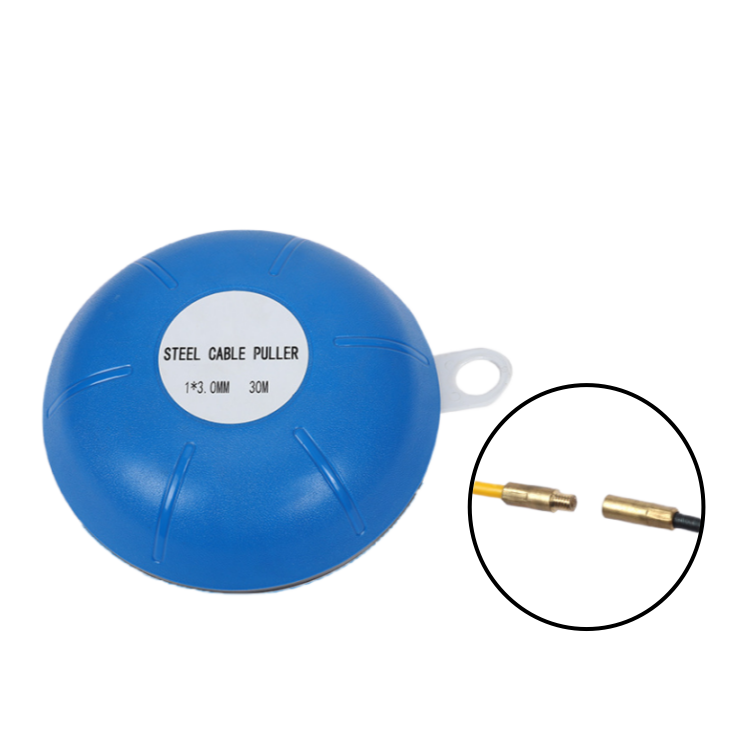
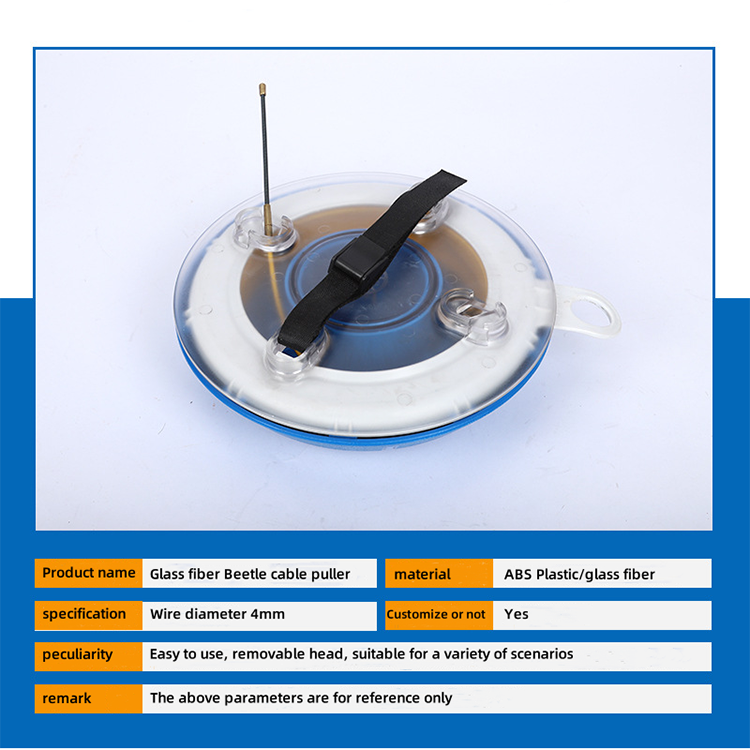
Fiberglass Fish Tape is a widely used tool for pulling wires through conduits, walls, and confined spaces. It is valued for its flexibility, strength, and non-conductive properties, making it suitable for a wide range of electrical and industrial applications.
From a manufacturer and factory production perspective, fiberglass fish tapes are designed for durability, repeated use, and consistent performance in bulk supply environments. However, even high-quality tools can cause inefficiencies or cable damage if used incorrectly. Understanding common mistakes—and how to avoid them—helps ensure safer operation and better installation outcomes.
Mistake 1: Using the Wrong Type of Fish Tape
One of the most common mistakes is selecting a fish tape that does not match the job requirements.
Fiberglass fish tape is ideal for:
·Long conduit runs
·Non-conductive environments
·Installations requiring corrosion resistance
Using a tool with insufficient stiffness or length can lead to bending, jamming, or loss of control inside the conduit. Professional production standards ensure fish tapes are available in multiple sizes and stiffness levels, allowing users to choose the correct specification for each application.
Mistake 2: Applying Excessive Force
Pushing or pulling too aggressively is another frequent issue. Excessive force can cause fiberglass fish tape to buckle, splinter, or become permanently deformed.
Proper technique involves:
·Applying steady, controlled pressure
·Allowing the tape to follow the conduit path naturally
·Stopping immediately if resistance increases
Factory-produced fiberglass fish tapes are engineered to handle repeated stress, but respecting load limits is essential to maintain tool integrity and cable safety.
Mistake 3: Ignoring Conduit Conditions
Many users overlook the condition of the conduit before inserting fish tape. Dirt, sharp edges, moisture, or tight bends can significantly increase friction and damage risk.
Before use:
·Check for debris or obstructions
·Identify sharp entry points
·Use protective bushings if necessary
Manufacturers design fiberglass fish tape with smooth surfaces during production to minimize abrasion, but proper conduit preparation remains a critical step.
Mistake 4: Skipping Proper Attachment Methods
Improperly attaching wires to fish tape is a common source of failure. Taping wires loosely or unevenly can cause them to snag or separate during pulling.
Best practices include:
·Securing wires tightly and evenly
·Keeping the joint as slim as possible
·Ensuring no sharp edges are exposed
Production-focused manufacturers often test attachment compatibility to ensure stable performance in real installation scenarios.
Mistake 5: Poor Storage and Maintenance
Improper storage can shorten the lifespan of fiberglass fish tape. Leaving the tape loosely coiled or exposed to harsh environments can reduce flexibility and strength over time.
To extend service life:
·Rewind the tape carefully after use
·Store in a dry, protected case
·Inspect regularly for surface damage
These maintenance habits align with factory-recommended usage guidelines and help preserve long-term performance.
Why Fiberglass Fish Tape Is Widely Used
Fiberglass Fish Tape offers several advantages that make it a preferred choice in professional installations:
Non-conductive for enhanced safety
Lightweight and flexible
Resistant to corrosion and moisture
Suitable for repeated use
Manufacturers focus on controlled production processes to ensure consistent quality, making fiberglass fish tape reliable for large-scale projects and bulk supply needs.
How Manufacturing Quality Affects Performance
The performance of fiberglass fish tape depends heavily on production quality. Factory-level manufacturing ensures:
·Uniform fiberglass layering
·Smooth surface finishing
·Stable stiffness and flexibility balance
For users sourcing tools in volume, choosing products made through standardized manufacturing processes helps ensure consistency across multiple installations.
Conclusion
Avoiding common mistakes when using fish tape can significantly improve installation efficiency, tool lifespan, and cable protection. By selecting the right tool, applying controlled force, preparing conduits properly, and maintaining equipment, users can achieve better results with fewer complications.
A well-designed Fiberglass Fish Tape, developed through reliable manufacturing and production processes, supports safe and efficient cable installation across a wide range of applications. For professional users and bulk buyers, factory-produced solutions remain a dependable choice for consistent performance and long-term supply.
References
GB/T 7714:Williams J A, Ostermann P L, Samm R W. Underground Transmission Systems Reference Book[J]. EPRI Underground Transmission Program Electrical Systems Division, 1992.
MLA:Williams, J. A., P. L. Ostermann, and R. W. Samm. "Underground Transmission Systems Reference Book." EPRI Underground Transmission Program Electrical Systems Division (1992).
APA:Williams, J. A., Ostermann, P. L., & Samm, R. W. (1992). Underground Transmission Systems Reference Book. EPRI Underground Transmission Program Electrical Systems Division.