


Custom Fiberglass Duct Rodders: What to Look for When Ordering from a Manufacturer
Author:jiujiu Release time:2026-06-03 13:39:43 Number of views:154order
Standard duct rodders serve many applications effectively, but specialized projects and unique operational requirements often call for custom configurations that address specific challenges not adequately covered by off-the-shelf products. Ordering custom fiberglass duct rodders from manufacturers requires careful specification of requirements and clear, detailed communication with supplier technical teams to ensure that the final product delivers the intended performance benefits without compromise.
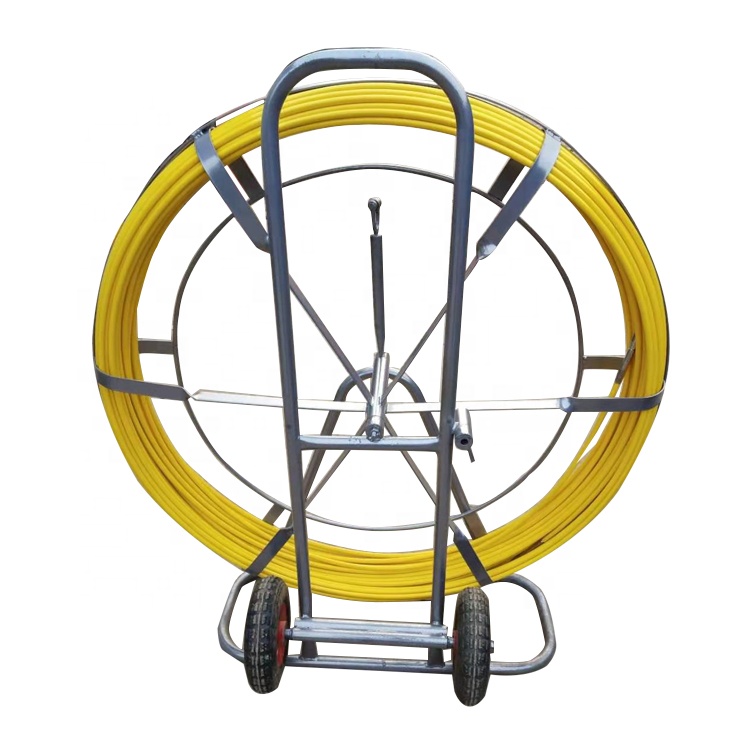
Defining Your Diameter and Length Requirements
The most fundamental specifications for any duct rodder order are diameter and length. Accurate assessment of these requirements prevents costly ordering errors and ensures that the delivered product handles the intended application without requiring modification or returning for exchange. When determining length requirements, always add a meaningful safety margin beyond the maximum anticipated run distance to accommodate unexpected obstacles and provide adequate handling length at both entry and exit points.
Diameter selection should account for the specific conduit dimensions, cable specifications, and installation distance for the target application. Manufacturers and experienced suppliers can provide professional guidance on diameter recommendations based on project parameters, drawing on historical data from similar completed installations to inform the specification and prevent under-sizing or over-sizing errors.
Frame Style and Portability Considerations
Custom duct rodders offer numerous frame configuration options that significantly affect usability and durability in specific working environments. Standard square base frames with double-pipe construction provide stable, reliable platforms for heavy-duty applications and long installation runs. For contractors who frequently transport equipment between multiple job sites, collapsible or portable frame designs provide easier handling and transport without sacrificing the structural integrity needed for demanding field applications.
Regional style preferences, including European, Australian, Korean, and other national configurations, are available through international manufacturers serving global markets. These regional variations address differences in construction standards, user preferences, and regulatory requirements across different geographic markets. Specifying the correct regional style ensures that the delivered equipment aligns with local expectations and accepted practices, supporting smoother field operations.
Reinforcement and Traceability Options
For applications requiring underground pathway locating capability, custom orders can specify traceable rodder configurations with integrated copper cores or steel wire reinforcements. These conductive elements enable electromagnetic signal transmission for compatibility with standard utility locating equipment, supporting pathway verification and documentation requirements.
Reinforcement options also directly affect the mechanical performance of the rodder in demanding applications. Higher tensile strength reinforcements enable longer reach capabilities and improved durability in environments with abrasive conduit conditions or significant temperature extremes throughout the installation process. Discussing these requirements openly with manufacturer technical representatives helps identify the optimal reinforcement configuration for each specific application.
Branding and Meter Mark Customization
Custom duct rodders offer valuable opportunities for branding and functional markings that support operational efficiency and professional presentation on client job sites. Company logos, color schemes, and unique identification markings can be incorporated into the rodder frame and rod construction, creating a professional appearance that reinforces brand identity and supports equipment tracking and inventory management across large project portfolios.
Meter mark indicators are particularly valuable for contractors managing large installations where tracking rod usage and measuring run distances is important for project documentation, billing purposes, and quality assurance records. Custom meter markings on the rod itself provide at-a-glance distance verification during installation operations, reducing reliance on separate measurement tools and improving installation accuracy and documentation quality.
Quality Assurance and Testing Protocols
Reputable manufacturers subject custom duct rodders to the same rigorous testing protocols applied to their standard product offerings. Before finalizing a custom order, verify that the manufacturer provides thorough documentation of toughness testing, temperature range validation, and quality inspection procedures. These certifications provide confidence that the custom product meets the same exacting performance standards as the manufacturer's standard offerings.
For critical infrastructure applications or projects with specific regulatory compliance requirements, consider requesting additional testing or inspection documentation that demonstrates conformance with applicable standards. Professional manufacturers maintain detailed quality records and can readily provide certificates of conformance upon request, supporting regulatory compliance and client confidence in the delivered equipment.
Lead Time and Production Planning
Custom duct rodder orders typically involve longer lead times than standard product purchases, as the manufacturer must procure specific materials, configure production processes for custom specifications, and complete any specialized assembly or testing requirements that standard products do not involve. When planning custom orders, allow adequate lead time for production, quality verification, and international shipping to ensure that equipment arrives before project commencement.
Establishing early communication with manufacturer sales and technical teams helps identify potential production constraints and allows for realistic production scheduling. Experienced suppliers often can accommodate expedited production for urgent requirements, though premium pricing may apply for accelerated delivery schedules.
Conclusion
Custom fiberglass duct rodders offer significant advantages for contractors and organizations with specialized requirements that standard products cannot fully address. By carefully specifying diameter, length, frame configuration, reinforcement options, and branding requirements, and by working collaboratively with responsive manufacturers and suppliers throughout the ordering process, buyers can acquire custom equipment that delivers exceptional performance and long-term value for their specific operational needs.
References
Custom Manufacturing Process Handbook, Industrial Equipment Procurement Guidelines, Construction Tool Specification Standards, Quality Assurance Requirements for Infrastructure Products, Supplier Relationship Management Best Practices.