


Duct Rodder Structure Explained: Core Materials and Performance
Author:jiujiu Release time:2026-02-28 14:05:16 Number of views:127order
The duct rodder is one of the most essential tools in the toolkit of telecommunications installers, electricians, and infrastructure maintenance professionals. Whether you're pulling cable through underground conduits or threading fiber-optic lines through tight raceways, understanding how a duct rodder is built and what core materials are used can make all the difference in performance and long-term reliability.
From material composition to structural design, every aspect affects flexibility, tensile strength, and resistance to wear. This article breaks down the duct rodder structure and explains why certain core materials enhance performance — particularly when supplied in bulk by an experienced Manufacturer with standardized Production capabilities.
What Is a Duct Rodder?
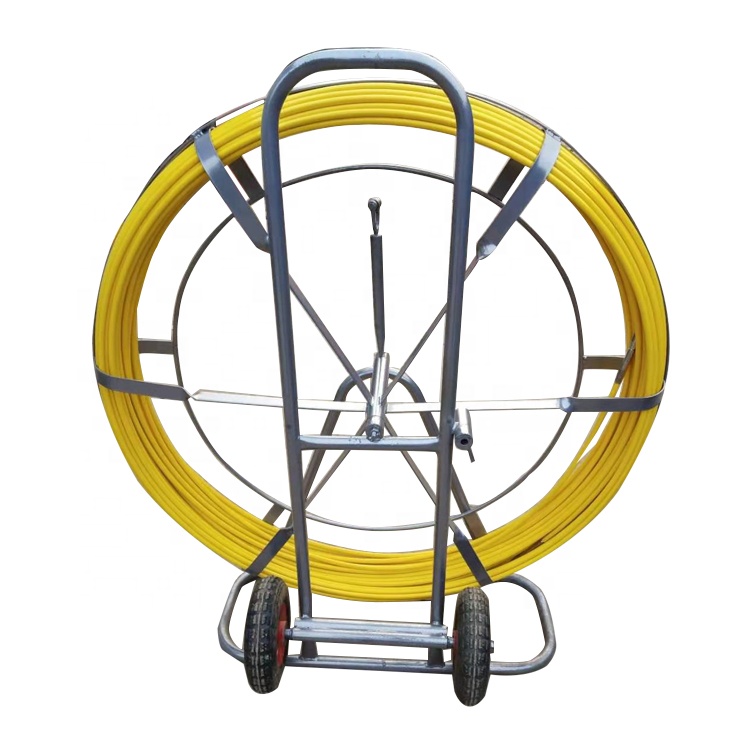
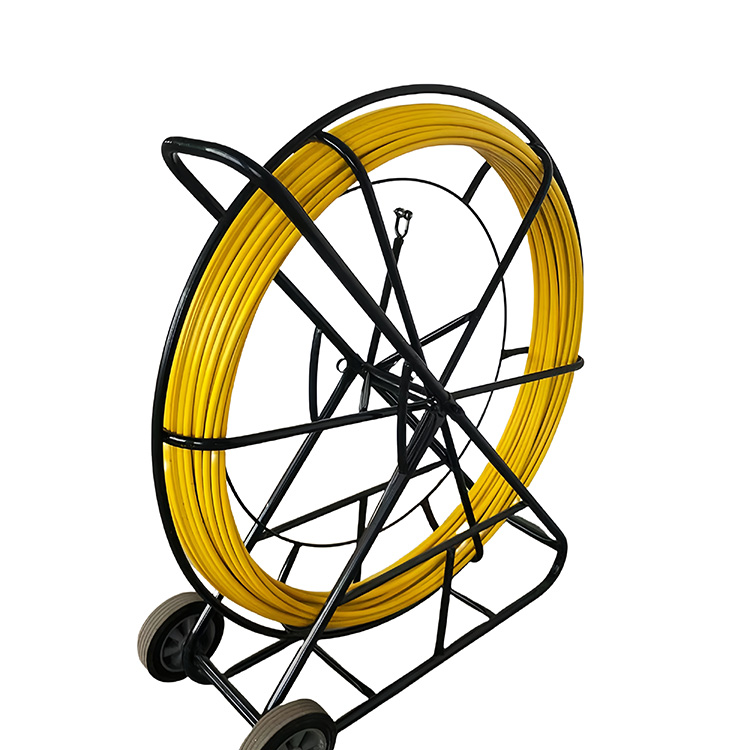
A duct rodder (also called a conduit rod or push rod) is a tool used to navigate through conduits, ducts, and piping. It facilitates cable installation by creating an initial path or pulling mechanism that guides the cable from one access point to another.
Key reasons professionals rely on duct rodders include:
·Fast cable installation
·Reduced labor costs
·Improved routing precision
·Fewer conduit obstructions
The core structure plays a pivotal role in how well the duct rodder performs these tasks.
The Core Materials of a Duct Rodder
Duct rodders can be constructed from a variety of materials, each offering unique advantages and limitations. The choice of core material directly impacts:
·Flexibility
·Tensile strength
·Durability
·Weight
·Ease of use
Below are the most common core materials used today.
Fiberglass-Core Duct Rodders
One of the most popular options is a fiberglass-core duct rodder. Fiberglass offers a strong balance between flexibility and tensile strength, making it suitable for navigating curves and bends without permanent deformation.
Advantages of fiberglass core:
·Non-conductive
·Corrosion-resistant
·High strength-to-weight ratio
·Flexible yet springy
Because of these qualities, fiberglass-core rodders are widely used in telecom installations and electrical conduit routing.
Plastic-Core Duct Rodders
Some duct rodders use high-density plastic cores. These are typically lighter and more budget-friendly, but in turn, may offer lower tensile strength compared to fiberglass or steel-based solutions.
Advantages of plastic core:
·Lightweight
·Cost-effective
·Easy to handle
However, plastic-core rodders may experience stretching or bending under high tension, which can limit their use in long-distance conduit runs.
Steel-Core Duct Rodders
Steel-core rodders provide exceptional tensile strength and rigidity, offering high performance in long-distance pushing and pulling applications.
Advantages of steel core:
·Very high tensile strength
·Excellent for longer runs
·Resists snapping
The trade-off is reduced flexibility, and the steel core is heavier, which can increase operator fatigue.
How Core Material Impacts Performance
The core material of a duct rodder influences several key performance indicators:
1. Flexibility vs. Rigidity
·Fiberglass: Offers a blend of flexibility and strength — ideal for most standard installations.
·Plastic: Most flexible but lower strength.
·Steel: Least flexible, highest strength.
Flexibility is crucial when pushing through multi-bend duct systems, while rigidity benefits straight, long-distance pushes.
2. Tensile Strength
Tensile strength determines how much pulling force the rodder can withstand before breaking. For example, steel-core rodders excel in applications requiring high pull forces, whereas fiberglass offers a balanced strength profile.
3. Weight and Handling
Lightweight materials like fiberglass and plastic reduce operator fatigue and make it easier to maneuver in tight spaces. This is especially significant for utility crews working in residential or overhead installations.
4. Non-Conductivity
Fiberglass- and plastic-core rodders have the added benefit of non-conductivity, enhancing safety when working near live electrical systems.
Structural Design and Protective Coatings
Beyond core materials, structural design elements also affect performance:
·Outer Jacketing: Protects the core from abrasion and environmental exposure.
·Protective Ends/Fittings: Heavy-duty end caps or couplings prevent core fraying and provide secure attachment points.
·Color-Coding: Many rodders come in high-visibility colors for safety and identification.
Proper design features amplify the inherent properties of the core and extend service life.
Choosing the Right Duct Rodder for Your Needs
Selecting the best duct rodder depends on your project requirements:
·Short distance, multi-bend runs: Fiberglass-core is often preferred.
·Long, straight applications: Steel-core may be more effective.
·Light duty or occasional use: Plastic-core can suffice.
Experienced installers understand that the right structural combination reduces installation time and prevents costly tool failure.
Why a Trusted Manufacturer Matters
While the core materials are critical, the Manufacturer and Production processes also determine performance reliability. Rodding tools produced through consistent quality control and engineered design standards ensure:
·Accurate material properties
·Reliable tensile ratings
·Longevity across repeated use
·Bulk supply consistency for contractors
When sourcing duct rodders in bulk, choosing products from a reputable manufacturer assures quality performance across multiple job sites.
Final Thoughts
Understanding the structure of a duct rodder — from its core materials to its overall design — helps professionals make informed decisions that enhance installation efficiency and tool durability.
Whether navigating tight bends or pushing through long conduits, knowing how different materials perform will guide you toward the right solution. With reliable duct rodders supplied by experienced Manufacturers with strong Production capabilities, your installations become more predictable, efficient, and safer.
References
GB/T 7714:Ashby M F, Cebon D. Materials selection in mechanical design[J]. Le Journal de Physique IV, 1993, 3(C7): C7-1-C7-9.
MLA:Ashby, Michael F., and David Cebon. "Materials selection in mechanical design." Le Journal de Physique IV 3.C7 (1993): C7-1.
APA:Ashby, M. F., & Cebon, D. (1993). Materials selection in mechanical design. Le Journal de Physique IV, 3(C7), C7-1.