


How Fiberglass Duct Rodders Improve Efficiency in Telecommunications Projects
Author:jiujiu Release time:2026-06-06 18:19:34 Number of views:99order
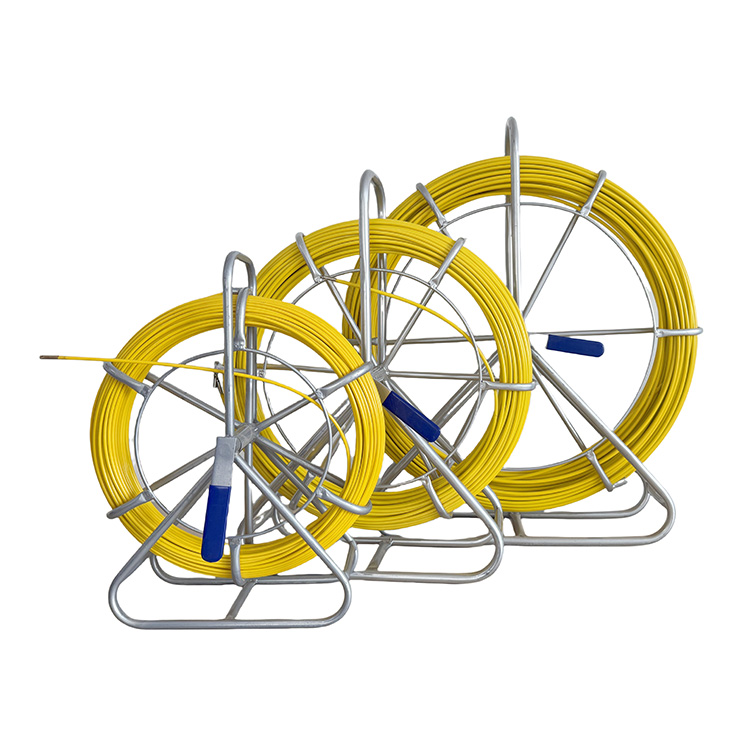
Telecommunications infrastructure development depends heavily on efficient cable installation methodologies, and the tools chosen for this work directly influence project timelines, labor costs, and overall quality of deliverables. Fiberglass duct rodders have emerged as a preferred solution among telecom contractors, network operators, and construction firms seeking to optimize their installation operations. Understanding precisely how these tools deliver efficiency gains helps project managers make informed equipment decisions that benefit their bottom line and support competitive positioning in the marketplace.
Accelerating Installation Timelines
Traditional cable installation methods often involve multiple manual steps, including initial conduit clearing, manual rod feeding, and sequential cable pulling that requires multiple technicians working in coordination. Fiberglass duct rodders streamline this workflow by enabling continuous feeding operations that cover long distances in a single efficient pass. A well-equipped technician using a quality fiberglass rodder from a reputable manufacturer can complete cable runs that would require significantly more time using conventional steel tapes or manual pushing techniques.
The flexibility of fiberglass rods means fewer interruptions for bent or stuck equipment, which represents a common and time-consuming problem in older conduit systems with irregular geometries or accumulated debris. Reducing the frequency of troubleshooting and rod retrieval operations translates directly into faster project completion and earlier revenue generation for network operators who are under constant pressure to expand coverage and meet subscriber demand.
Reducing Labor Requirements
The lightweight construction of fiberglass duct rodders enables efficient single-operator installation in scenarios where equivalent steel equipment would require a two-person team. This labor efficiency is particularly valuable in remote locations, difficult terrain, or areas with limited site access where coordinating multiple workers creates logistical challenges and added costs for transportation, supervision, and worker facilities.
Telecommunications companies deploying fiber optic networks across extended geographic areas benefit significantly from reduced crew size requirements. Smaller teams can accomplish the same installation volume, allowing companies to expand their network coverage without proportionally increasing their workforce and associated overhead costs. This operational leverage becomes especially valuable during peak construction seasons when qualified technicians are in high demand and recruitment costs are elevated.
Minimizing Cable Damage and Installation Rework
Cable damage during installation is costly, requiring repair or replacement of expensive fiber optic or copper conductors along with associated labor costs for splicing and testing. The smooth, non-abrasive surface of quality fiberglass rodders protects cable jackets throughout the pulling process, reducing the risk of insulation damage that could compromise signal quality or create long-term safety hazards in the installed network.
Steel rods, by contrast, can develop surface irregularities from repeated use, corrosion, and mechanical wear, creating friction points within conduits that stress cable materials during pulling operations. Manufacturers of quality fiberglass rodders engineer their products to maintain consistently smooth outer surfaces throughout extended service lives, providing dependable protection for expensive cable investments across many installation projects.
Enabling Long-Distance Network Deployments
Modern telecommunications networks increasingly require long-distance cable runs connecting population centers, data centers, cellular base stations, and remote telecommunications facilities. Fiberglass duct rodders supplied by experienced manufacturers and suppliers are available in lengths exceeding 500 meters, enabling uninterrupted installation over distances that would be impractical or completely impossible with traditional steel equipment.
The ability to complete long runs without intermediate access points reduces the need for splice points, which are potential failure locations in fiber optic networks where signal attenuation can occur. Fewer splices mean lower installation costs and improved network reliability, as each splice point represents both a direct installation expense and a potential source of future maintenance requirements.
Supporting Fiber to the Premise Initiatives
Government initiatives and private investment programs promoting fiber-to-the-premise connectivity have created unprecedented sustained demand for efficient installation solutions. Municipalities, utility companies, and telecom operators are all competing for skilled installation resources, making productivity-enhancing tools like fiberglass duct rodders essential for meeting deployment targets within established timelines and budget constraints.
Factory-direct suppliers and manufacturers offering bulk purchasing arrangements help large-scale deployment programs acquire the equipment needed to meet their substantial project volumes. The combination of efficient tools and reliable supply chains positions contractors to win competitive bids and deliver projects consistently within tight schedules, building reputation and client relationships that support continued business growth.
Conclusion
Fiberglass duct rodders deliver measurable efficiency improvements across every phase of telecommunications cable installation projects. From accelerated timelines and reduced labor requirements to minimized cable damage and enhanced long-distance capability, these tools address the key challenges facing modern telecom construction. Partnering with established manufacturers and suppliers ensures access to quality equipment backed by responsive technical support and reliable service.
References
Telecommunications Network Deployment Handbook, Fiber Optic Installation Standards, Municipal Broadband Infrastructure Planning Guide, Telecom Construction Project Management, Network Infrastructure Efficiency Report.