


Benefits of Fiberglass Duct Rodders vs Steel Cable Rods
Author:jiujiu Release time:2026-06-09 18:27:16 Number of views:112order
When evaluating cable installation tools, professionals frequently compare fiberglass duct rodders against traditional steel cable rods to determine the most appropriate equipment for their working conditions. Both tools serve the fundamental purpose of guiding cables through conduits and ductwork, yet their material properties, field performance characteristics, maintenance requirements, and total cost of ownership differ substantially. A thorough understanding of these differences helps contractors and technicians make equipment decisions that optimize both project outcomes and long-term business performance.
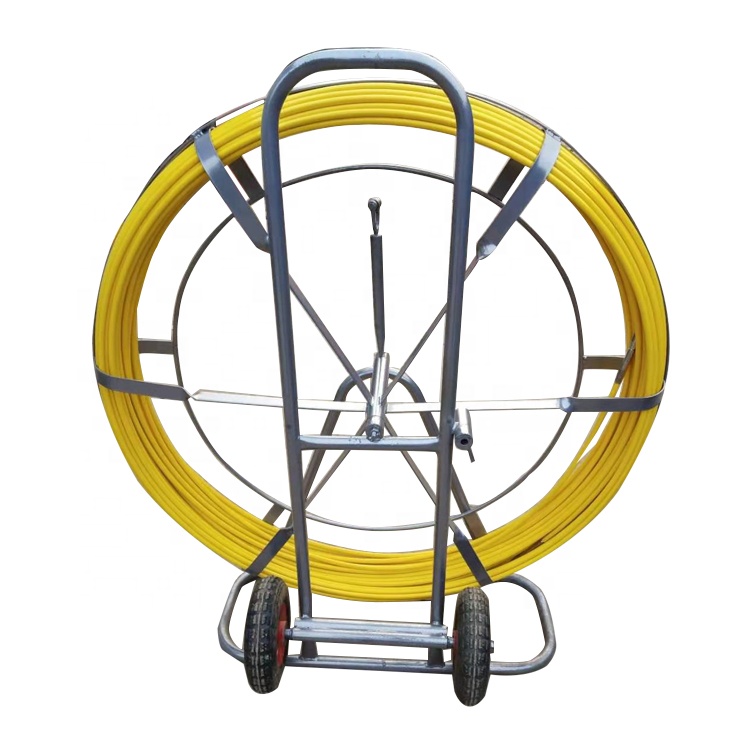
Weight and Operator Comfort
One of the most immediately apparent advantages of fiberglass duct rodders is their significantly lower weight compared to steel alternatives of equivalent length. A 200-meter steel cable rod can weigh well over 50 kilograms, making it impractical for a single worker to manage during feeding, steering, and retrieval operations. Fiberglass rodders of similar length typically weigh less than 20 kilograms, enabling efficient one-person operation across the vast majority of installation scenarios encountered in the field.
This weight reduction has direct and measurable implications for worksite safety and daily productivity. Reduced physical strain on operators lowers the incidence of musculoskeletal injuries, which consistently rank among the most common workplace complaints in the construction and telecommunications industries. Lighter equipment also simplifies transport between job sites, particularly for contractors managing multiple concurrent projects across different locations in a metropolitan area.
Electrical Safety and Non-Conductivity
Fiberglass is inherently non-conductive, providing a critical safety advantage in environments where electrical hazards are present or unpredictable. Steel rods, being metallic conductors, can transmit dangerous electrical current if they contact energized wires during installation operations. While steel rods can be fitted with insulation layers, this adds significant cost and the insulation may degrade over time through repeated use, environmental exposure, and mechanical wear.
The non-conductive properties of fiberglass rodders make them the clearly preferred choice for telecommunications technicians working in proximity to power cables, as well as for municipal workers performing installations in mixed utility corridors where power and communication lines share underground pathways. Professional manufacturers and safety organizations consistently recommend fiberglass for any application where electrical safety cannot be absolutely guaranteed.
Flexibility and Navigation Performance
Fiberglass rodders exhibit superior flexibility that allows them to navigate tight bends and complex conduit configurations that would permanently deform or kink traditional steel rods. The engineered flexibility of quality fiberglass products enables them to maintain structural integrity through repeated bending cycles, while steel rods may develop kinks, work-harden, or suffer metal fatigue over time, leading to premature failure at stress concentration points.
In older building stock with deteriorated, irregularly shaped, or non-standard conduits, fiberglass rodders from established manufacturers demonstrate noticeably better performance characteristics. Their ability to conform to existing pathway geometries without becoming lodged or stuck reduces the need for invasive excavation or demolition work to access blocked conduit sections, saving both time and substantial restoration costs on every project.
Durability and Maintenance Requirements
Quality fiberglass rodders from reputable manufacturers demonstrate excellent long-term durability when properly maintained through simple routine care practices. They resist corrosion from moisture, chemical exposure, and varied soil conditions that would degrade unprotected steel equipment over time. This corrosion resistance extends the effective service life of the equipment investment and maintains consistent operational performance across years of regular field use.
Steel rods, while structurally robust in the short term, require regular inspection for rust, pitting, surface damage, and metal fatigue that accumulate during normal operation. Surface corrosion on steel rods creates rough spots that increase friction within conduits and may damage cable jackets during pulling operations. The ongoing maintenance burden associated with steel equipment adds hidden costs that are often underestimated during initial purchasing decisions.
Supplier Ecosystem and Customization Options
The fiberglass duct rodder market benefits from a robust ecosystem of manufacturers and suppliers offering extensive customization options that allow contractors to optimize equipment for their specific requirements. Customers can specify particular diameters, lengths, reinforcement configurations, and frame styles tailored to unique operational demands. This flexibility allows contractors to precisely match equipment investments to actual project requirements rather than accepting generic one-size-fits-all solutions.
Steel cable rods, by contrast, are typically available in more standardized configurations with limited customization pathways that may not accommodate specialized project requirements or unusual operating conditions. For contractors with specific needs or unique constraints, the customization potential offered by fiberglass manufacturers often proves to be a decisive factor in the equipment purchasing decision.
Conclusion
Fiberglass duct rodders offer compelling advantages over steel cable rods in areas including weight, electrical safety, flexibility, corrosion resistance, and customization potential. While steel rods may suit particular applications with minimal bend requirements and controlled environments, the overall operational benefits of fiberglass make it the preferred choice for most contemporary cable installation projects. Partnering with an experienced manufacturer or supplier ensures access to high-quality equipment that delivers reliable performance across diverse working conditions and challenging field environments.
References
Construction Tool Safety Standards, Telecommunications Infrastructure Installation Manual, Electrical Worker Safety Guidelines, Underground Utility Construction Handbook, Building Services Installation Practices.