


High-Quality Corrosion-Resistant Fish Tape for Durable Electrical Installations
Author:jiujiu Release time:2026-04-02 23:36:35 Number of views:98order
In modern electrical installations, efficiency and reliability are paramount. Among the essential tools in every electrician's toolkit, the corrosion-resistant fish tape stands out as a critical component for safe, durable, and precise cable management. High-quality fish tape not only ensures smooth cable pulling but also withstands harsh environmental conditions, extending the lifespan of both the tool and the wiring projects it supports.
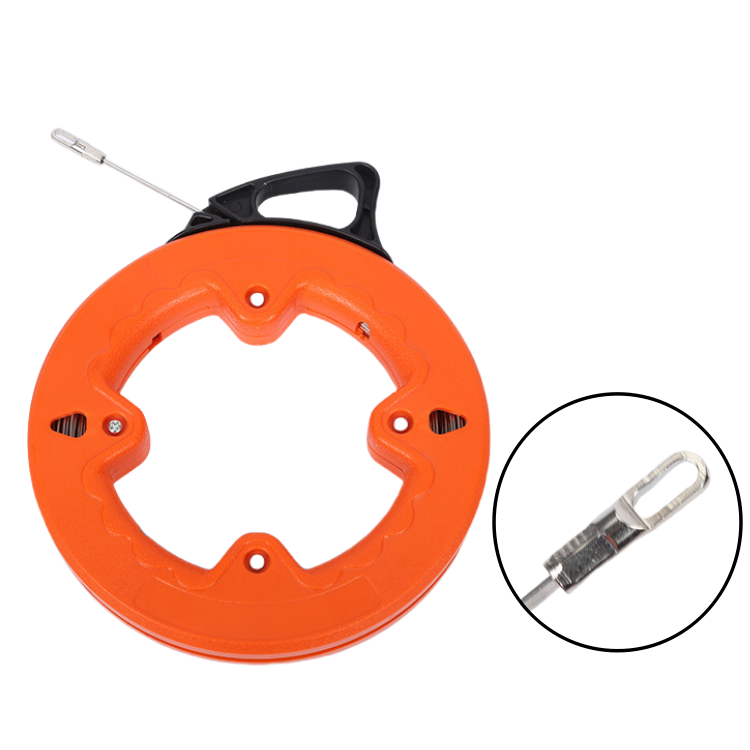

1. Understanding Corrosion-Resistant Fish Tape: Why Quality Matters
Fish tape is more than just a wire-pulling tool—it is a professional instrument designed to reduce labor, prevent cable damage, and improve overall workflow efficiency. Investing in a corrosion-resistant fish tape guarantees consistent performance, even in challenging conditions such as outdoor or industrial installations. Unlike standard fish tapes, corrosion-resistant variants are specifically engineered to resist rust, chemical exposure, and physical wear, maintaining their structural integrity over years of use.
2. Material Composition and Its Impact on Durability
The durability of a corrosion-resistant fish tape depends heavily on its material composition. Typically made from stainless steel, fiberglass, or specialized polymer-coated metals, these tapes combine flexibility with strength. Stainless steel tapes offer exceptional tensile strength, allowing electricians to pull heavy cables through complex conduit systems without bending or breaking. Fiberglass tapes, on the other hand, provide excellent electrical insulation, making them ideal for installations near live circuits. Additionally, polymer coatings act as an extra barrier against corrosion, prolonging the tool’s operational life and reducing maintenance frequency.
3. Smooth Operation for Efficient Cable Pulling
Efficiency is key in professional electrical work. A high-quality corrosion-resistant fish tape features a smooth, low-friction surface that reduces resistance as cables are guided through conduits. This design minimizes the risk of cable damage, which can compromise electrical performance and lead to costly repairs. Ergonomically designed reels and handles further enhance usability, allowing electricians to complete tasks with less effort and improved precision. Proper tool operation ensures that even long conduit runs or complex routing systems can be managed quickly and safely.
4. Resistance to Harsh Environments
Electrical installations often expose tools to moisture, chemicals, and extreme temperatures. The advantage of using a corrosion-resistant fish tape is its ability to withstand such harsh environments without performance degradation. Industrial coatings, stainless steel alloys, and fiberglass materials prevent rust and deterioration, ensuring the tape maintains its strength and flexibility. Whether in outdoor telecommunications installations or industrial plants, corrosion-resistant fish tape offers dependable performance under demanding conditions.
5. Maintenance and Longevity Considerations
While high-quality corrosion-resistant fish tape is designed to last, proper maintenance significantly enhances its lifespan. Regular inspection for wear, cleaning to remove debris, and proper storage to prevent kinks or bends are critical steps. Lubricating the tape occasionally can reduce friction and further protect the surface coating. By adopting a proactive maintenance routine, electricians ensure consistent performance, minimize downtime, and protect both the tool and the cables being installed.
6. Selecting the Right Fish Tape for Your Projects
Choosing the correct corrosion-resistant fish tape involves assessing project requirements, conduit sizes, and environmental conditions. Consider the tape length for longer conduit runs, material type for electrical safety, and reel design for ease of handling. Industrial projects may require heavy-duty stainless steel tapes for tensile strength, while residential or low-voltage applications could benefit from fiberglass tapes for enhanced flexibility and insulation. Prioritizing these factors guarantees that the selected fish tape delivers optimal performance and long-term reliability.
7. Conclusion: Ensuring Reliable Electrical Installations
In conclusion, the use of a high-quality corrosion-resistant fish tape is essential for any professional electrician or contractor. Its combination of durability, smooth operation, and environmental resistance makes it an indispensable tool for safe and efficient electrical installations. By selecting the right material, maintaining the tool properly, and understanding its functional advantages, electricians can enhance workflow, reduce cable damage, and ensure lasting project success. Investing in a reliable corrosion-resistant fish tape is not just a choice—it is a commitment to professional excellence and long-term performance.
References
GB/T 7714:Passivation‑induced physicochemical alterations of the native surface oxide film on 316L austenitic stainless steel
MLA:Fishing Tools and Material Considerations for Electrical Installations. Electrical Contractor Magazine.
APA:Investigation into Effects of Coating on Stress Corrosion of Cable Bolts in Deep Underground Environments. Materials