


How to Choose the Right Conduit Snake for Your Project
Author:jiujiu Release time:2026-02-06 22:18:39 Number of views:108order
A Conduit Snake is an essential tool for routing wires and cables through pipes, walls, ceilings, and other confined spaces. Whether in electrical installation, telecommunications, construction, or industrial maintenance, choosing the correct conduit snake directly affects efficiency, safety, and long-term reliability.
With modern manufacturer production systems and factory batch supply, today’s conduit snakes are engineered products rather than simple pulling lines. They combine optimized materials, structural design, surface treatments, and mechanical testing to meet demanding jobsite requirements. Understanding how to select the right conduit snake helps ensure smoother installations, reduced cable damage, and better overall project performance.
This guide explains the most important factors to consider when choosing a conduit snake for your application.
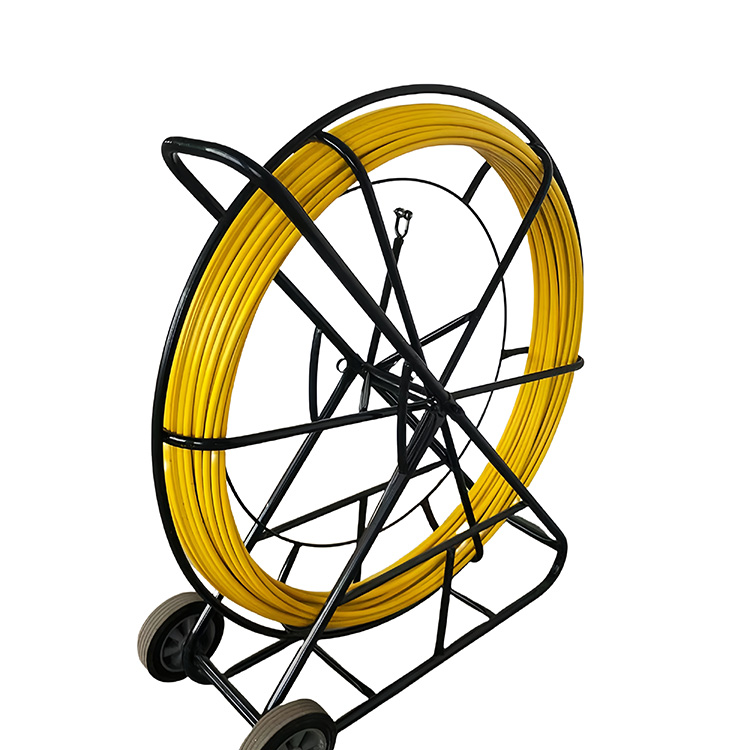
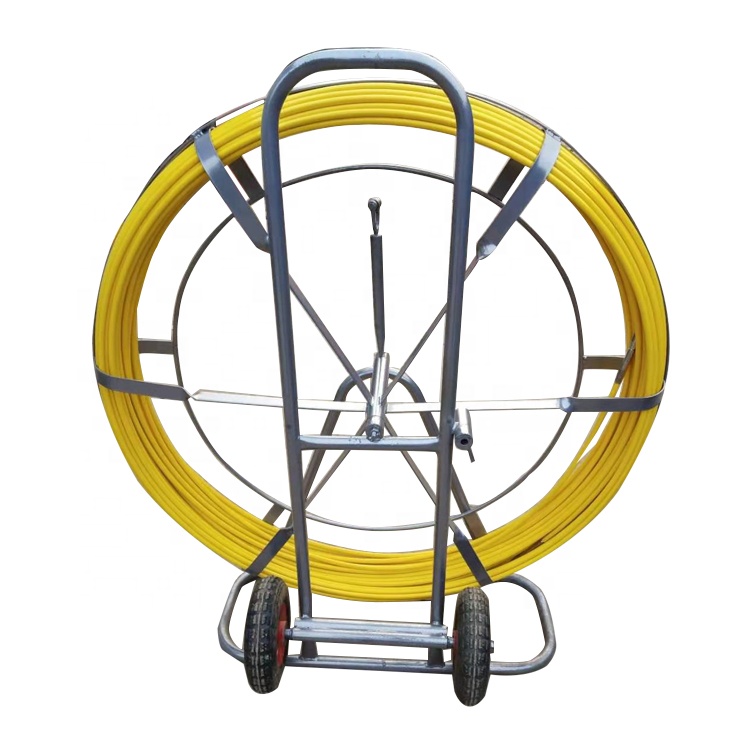
Understanding What a Conduit Snake Does
A conduit snake is designed to push or pull cables through enclosed pathways such as conduits, ducts, and raceways. It must be flexible enough to navigate bends while remaining stiff enough to transmit force over long distances.
A high-quality Conduit Snake provides:
·Controlled stiffness for pushing
·Smooth surface for low friction
·Sufficient tensile strength for pulling
·Durability for repeated use
In professional factory production environments, these characteristics are engineered through material selection and structural processing, not left to chance.
Choose the Right Material
Material is the foundation of any conduit snake’s performance. Common materials include polyester, fiberglass, and reinforced polymer composites. Each offers different benefits depending on project conditions.
When selecting a Conduit Snake, consider:
·Non-conductive properties for electrical safety
·Resistance to moisture and chemicals
·Fatigue resistance under repeated bending
·Weight for handling comfort
Through advanced manufacturer production, materials are formulated and processed to balance strength with flexibility. Polyester-based and composite structures are often preferred for safe, corrosion-free cable routing.
Consider Diameter and Length
The size of the conduit snake affects both reach and maneuverability.
Key factors include:
·Smaller diameters for tight or complex bends
·Larger diameters for long straight runs
·Appropriate length for project scale
·A thick conduit snake may push better in long conduits, while a thinner version works well in crowded or curved pathways.
In factory batch production, conduit snakes are produced in standardized lengths and diameters, ensuring consistent performance for different project requirements.
Evaluate Stiffness and Flexibility
The balance between stiffness and flexibility determines how well the conduit snake moves through a conduit.
If the tool is too flexible, it buckles and loses direction. If it is too stiff, it cannot pass bends easily.
A properly engineered Conduit Snake offers:
·Longitudinal rigidity for pushing
·Lateral flexibility for curves
·Torsional stability to prevent twisting
Manufacturer production processes control fiber orientation, layer structure, and curing to tune this balance. Factory testing ensures each batch meets mechanical behavior targets before supply.
Look at Surface Finish and Friction
Surface quality plays a major role in usability. High friction causes jamming and cable jacket damage, while overly slick surfaces reduce control.
When selecting a conduit snake, check for:
·Smooth outer surface
·Abrasion resistance
·Protective coatings
·Consistent thickness
Professional factory production includes surface treatments that reduce friction against conduit walls and improve wear resistance during repeated pulling operations.
This allows the conduit snake to glide smoothly through metal, plastic, or concrete conduits.
Check Tensile Strength and Load Rating
Pulling force is critical when routing heavy or bundled cables. The conduit snake must withstand tension without permanent deformation or sudden failure.
A quality Conduit Snake is designed with:
·High breaking strength
·Low permanent elongation
·Stable recovery after load removal
During manufacturer production, tensile tests verify working load limits and safety factors. In batch supply, consistency ensures all tools perform similarly under stress.
Matching tensile strength to project load prevents breakage and improves installation safety.
Match the Conduit Snake to the Environment
Project environments vary greatly. Indoor commercial spaces differ from outdoor or industrial settings.
Consider environmental factors such as:
·Moisture exposure
·Chemical presence
·Temperature variation
·UV exposure
An engineered Conduit Snake uses stabilized materials and coatings that maintain performance across different environments.
In controlled factory production, additives and treatments are integrated into the material formulation to enhance long-term durability under real-world conditions.
Safety and Handling Considerations
Safety is a key reason many professionals prefer non-metal conduit snakes.
Advantages include:
·Non-conductive behavior
·Reduced recoil energy
·Lightweight handling
·Smooth edges preventing cable damage
Through structured manufacturer production systems, each conduit snake undergoes inspection for surface defects, stiffness consistency, and edge quality before leaving the factory.
Proper selection improves both operational safety and cable protection during installation.
Role of Manufacturer and Factory Production
The reliability of a conduit snake depends not only on design but also on how it is made. A professional manufacturer production process includes:
·Material formulation
·Structural reinforcement control
·Surface coating application
·Mechanical and dimensional testing
With organized factory batch supply, multiple conduit snakes can be delivered with uniform quality for large projects or repeated use across job sites.
Factory production also enables customization of stiffness, diameter, and length to match specific installation needs.
Typical Applications for Conduit Snakes
Because of their engineered performance, conduit snakes are widely used in:
·Electrical wiring installation
·Telecommunications cabling
·Commercial building construction
·Industrial automation systems
·Maintenance and retrofit projects
Selecting the correct conduit snake ensures smoother cable routing, reduced installation time, and better long-term system reliability.
Maintenance Tips for Long Service Life
Even a well-designed conduit snake benefits from proper care:
·Clean after each use
·Avoid sharp edges and crushing
·Store away from extreme heat
·Inspect for surface wear
·Rewind properly after pulling
Manufacturer recommendations often accompany factory-produced conduit snakes to preserve performance across repeated cycles.
Conclusion
The Conduit Snake is a critical tool for modern cable installation, and choosing the right one directly affects safety, efficiency, and project success. By evaluating material, size, stiffness, surface finish, tensile strength, and environmental compatibility, users can match the tool to real-world conditions.
With advanced manufacturer production systems and factory batch supply capability, today’s conduit snakes deliver consistent quality, durability, and control for professional applications. Selecting the proper Conduit Snake ensures smooth routing, reduced cable damage, and long-term reliability across every installation project.
References
GB/T 7714:Chaudhuri A, Heim F, Chakfe N. Estimating the “Pull” on a pullthrough wire: a pilot study[C]//EJVES Vascular Forum. Elsevier, 2021, 50: 24-26.
MLA:Chaudhuri, Arindam, Frederic Heim, and Nabil Chakfe. "Estimating the “Pull” on a pullthrough wire: a pilot study." EJVES Vascular Forum. Vol. 50. Elsevier, 2021.
APA:Chaudhuri, A., Heim, F., & Chakfe, N. (2021, January). Estimating the “Pull” on a pullthrough wire: a pilot study. In EJVES Vascular Forum (Vol. 50, pp. 24-26). Elsevier.