


How to Operate a Hydraulic Cable Drum Jack Efficiently
Author:jiujiu Release time:2026-01-19 10:23:19 Number of views:144order
Why Proper Operation Matters for a Hydraulic Cable Drum Jack
A Hydraulic Cable Drum Jack is a critical piece of equipment used for lifting, supporting, and rotating heavy cable drums during installation and maintenance work. It is widely applied in power transmission projects, cable laying operations, and industrial construction environments where large drums must be handled safely and efficiently.
From the perspective of a professional hydraulic cable drum jack manufacturer with stable production capability, correct operation is just as important as equipment design. Even a well-produced unit from a modern factory can underperform or pose safety risks if not operated properly. Understanding how to use a hydraulic cable drum jack efficiently helps extend service life, improve workflow efficiency, and reduce operational hazards.
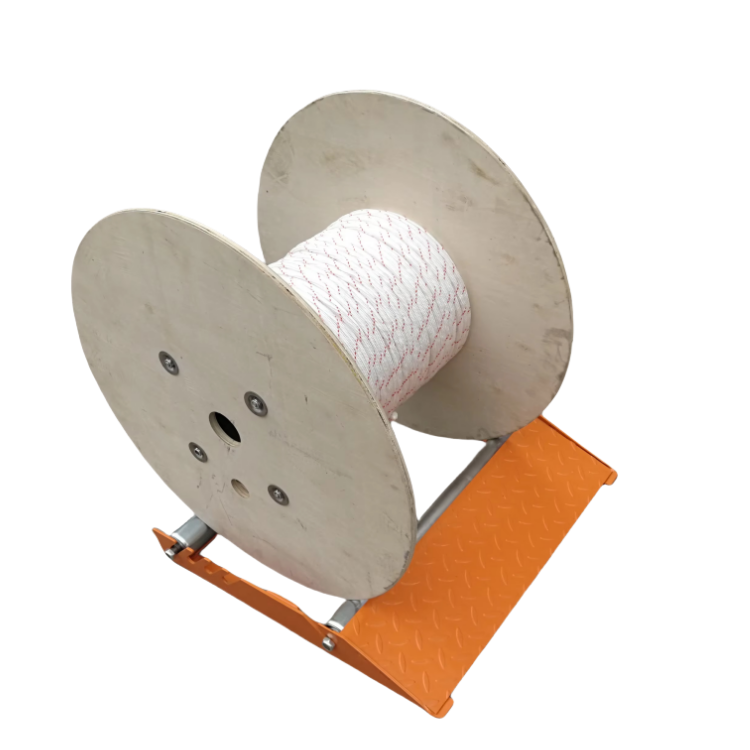
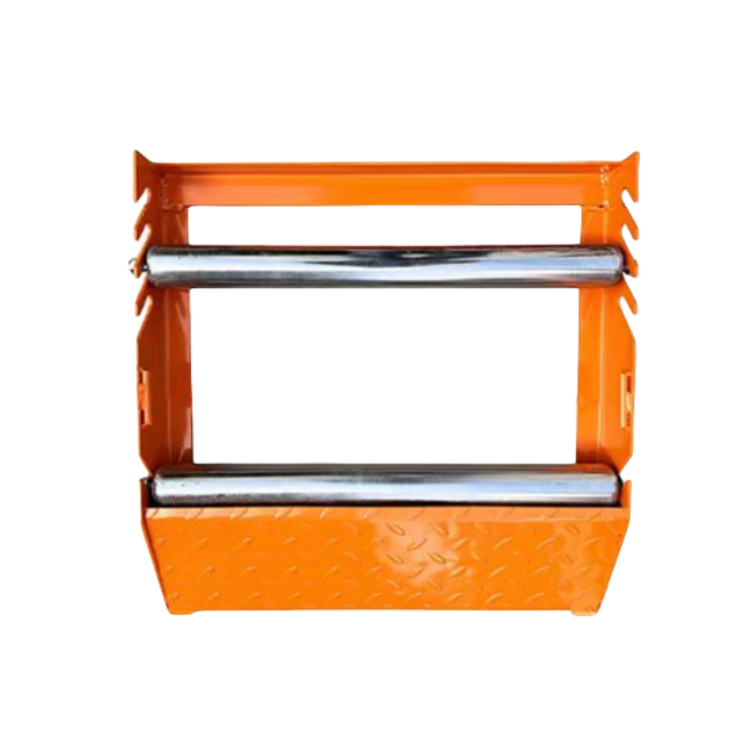
Understanding the Basic Structure of a Hydraulic Cable Drum Jack
Before operation, it is essential to understand the main components of a hydraulic cable drum jack:
·Hydraulic lifting system
·Frame or base structure
·Drum shaft or axle
·Control valves and hydraulic pump
Each component is designed to work together to support heavy loads while allowing controlled lifting and rotation. Factory-level production focuses on structural stability and hydraulic reliability to ensure consistent performance under load.
Preparing for Safe Operation
Inspect the Equipment Before Use
Before operating a hydraulic cable drum jack, perform a visual and functional inspection:
·Check hydraulic hoses and fittings for leaks
·Ensure the frame is stable and free from deformation
·Verify that control valves operate smoothly
This step is essential for preventing unexpected failures during operation.
Confirm Load Capacity
Always confirm that the weight of the cable drum does not exceed the rated capacity of the hydraulic cable drum jack. Load ratings are determined during manufacturing and verified through production testing.
Operating within rated limits ensures stable lifting and protects both equipment and personnel.
Step-by-Step Guide to Operating a Hydraulic Cable Drum Jack
Step 1: Position the Jack Correctly
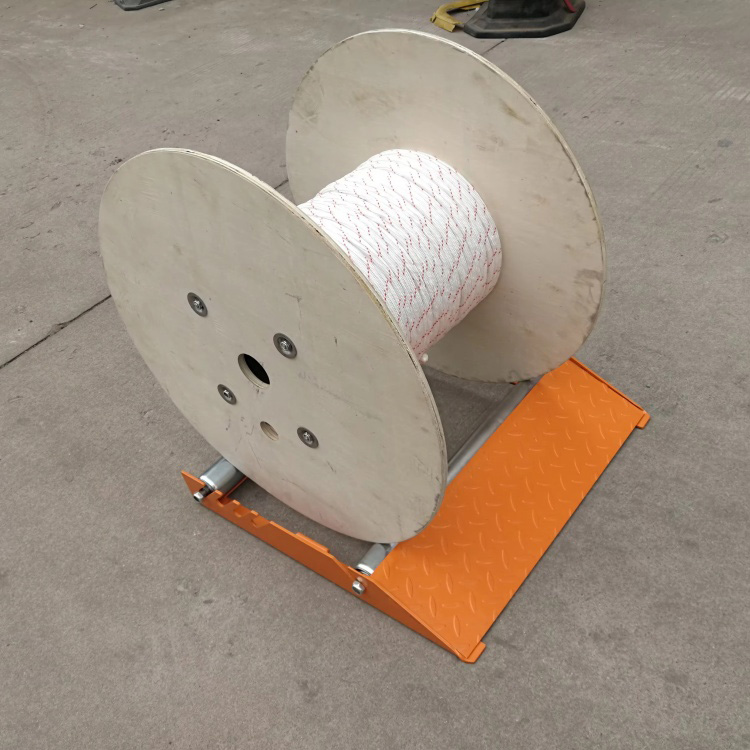
Place the hydraulic cable drum jack on firm, level ground. Uneven surfaces can cause instability during lifting. Proper positioning is a fundamental requirement emphasized by manufacturers during equipment deployment.
Step 2: Insert and Secure the Drum Shaft
Insert the shaft through the center of the cable drum and mount it securely onto the jack supports. Ensure that the shaft is properly aligned to allow smooth rotation during cable payout.
Step 3: Begin Controlled Lifting
Operate the hydraulic pump gradually to lift the drum. Avoid sudden pressure changes. Smooth lifting reduces stress on the hydraulic system and improves operational efficiency.
Step 4: Monitor Stability During Operation
As the drum is lifted, continuously observe the balance and alignment. If instability is detected, stop operation immediately and adjust positioning before proceeding.
Step 5: Control Drum Rotation
During cable unwinding, ensure that rotation remains smooth and controlled. Sudden stops or uncontrolled rotation can damage the cable or overload the jack structure.
Tips for Improving Operational Efficiency
Use Coordinated Team Operation
Efficient operation often requires coordination between operators managing lifting, rotation, and cable guiding. Clear communication reduces downtime and improves overall productivity.
Maintain Consistent Hydraulic Pressure
Avoid over-pumping or rapid pressure release. Maintaining steady hydraulic pressure supports smoother operation and extends component life.
Follow Standard Operating Procedures
Manufacturers and factories typically develop standardized operating procedures based on production testing. Following these guidelines ensures predictable performance and reduces wear.

Some common issues observed during improper use include:
·Exceeding rated load capacity
·Operating on uneven ground
·Ignoring early signs of hydraulic leakage
·Allowing uncontrolled drum rotation
Avoiding these mistakes significantly improves safety and equipment reliability.
Maintenance Practices That Support Efficient Operation
Efficient operation is closely linked to proper maintenance. Recommended practices include:
·Regular hydraulic oil checks
·Cleaning moving parts after use
·Inspecting seals and hoses periodically
Manufacturers often integrate maintenance guidelines into production documentation to support long-term performance.
Factory Design Considerations That Enhance Usability
From a factory production standpoint, efficient operation is supported by:
·Ergonomic control placement
·Robust frame design
·Reliable hydraulic components
A well-designed hydraulic cable drum jack reflects the manufacturer’s focus on real-world operating conditions and bulk supply reliability.
Applications That Benefit from Efficient Operation
Efficient operation of a hydraulic cable drum jack is especially important in:
·Power cable installation projects
·Infrastructure construction sites
·Industrial cable handling environments
In these applications, time efficiency and safety directly affect project outcomes.
Conclusion: Efficiency Starts with Proper Operation
Operating a Hydraulic Cable Drum Jack efficiently requires understanding its structure, respecting load limits, and following correct operational procedures. When used properly, this equipment delivers reliable lifting performance and safe cable handling across demanding industrial environments.
For users sourcing hydraulic cable drum jacks in volume, selecting a manufacturer with mature production systems and factory-level quality control ensures consistent performance and long-term supply stability. As cable installation projects continue to grow in scale, efficient operation of hydraulic cable drum jack systems will remain a key factor in safe and productive workflows.
References
GB/T 7714:Handbook of hydraulic fluid technology[M]. CRC press, 2011.
MLA:Totten, George E., and Victor J. De Negri, eds. Handbook of hydraulic fluid technology. CRC press, 2011.
APA:Totten, G. E., & De Negri, V. J. (Eds.). (2011). Handbook of hydraulic fluid technology. CRC press.