


How to Use a Wire Pulling Tool Without Damaging Cables
Author:jiujiu Release time:2026-01-25 13:59:35 Number of views:80order
A Wire Pulling Tool is essential for installing electrical cables efficiently and safely. When used improperly, it can easily damage cable jackets or internal conductors. Professional manufacturers design wire pulling tools for stable performance, repeated use, and bulk production supply, making correct operation just as important as tool quality.
This guide explains simple, effective ways to use a wire pulling tool without damaging cables.
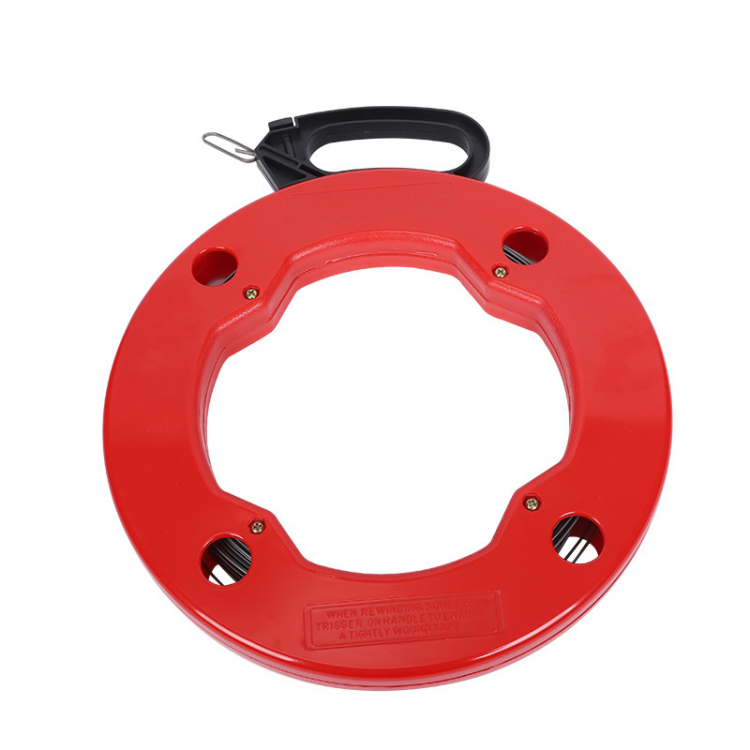
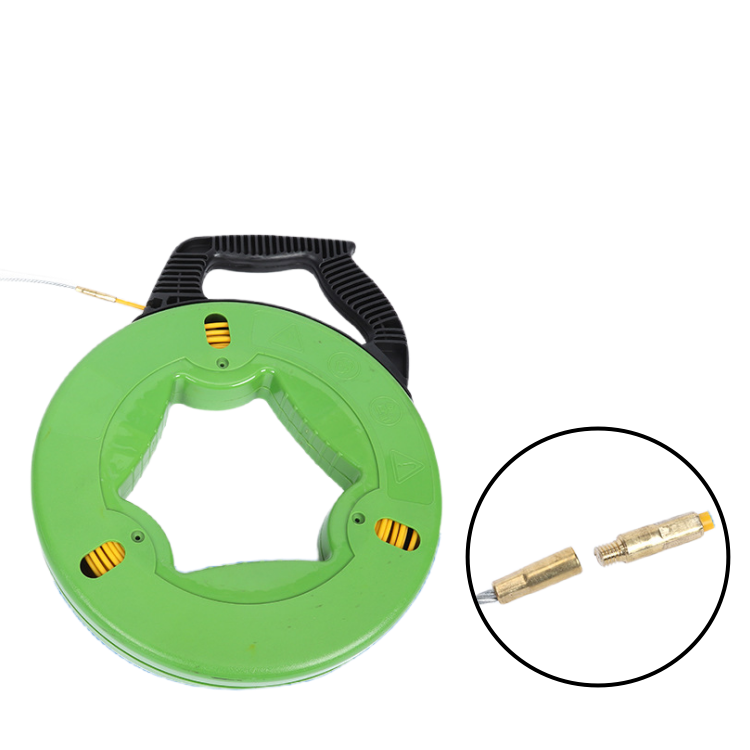
Common Reasons Cables Get Damaged
Cable damage usually occurs due to:
·Excessive pulling force
·Twisting or kinking during installation
·Poor alignment in conduits
·Rough or worn tool surfaces
Factory-produced wire pulling tools focus on smooth finishes and controlled load capacity to help reduce these risks.
How to Use a Wire Pulling Tool Safely
Choose the Right Tool
Select a wire pulling tool that matches the cable diameter and weight. Using an undersized tool increases friction and stress.
Inspect Before Pulling
Check both the cable and the tool for visible damage. Ensure connectors and grips are secure before starting.
Use Proper Cable Grips
Always use cable grips or pulling socks to distribute force evenly. Avoid tying ropes directly to cables.
Control Pulling Speed
Pull smoothly and steadily. Sudden force can stretch conductors or crack insulation.
Apply Lubrication if Needed
Cable lubricant reduces friction inside conduits, helping protect the cable surface and improve efficiency.
Prevent Twisting
Use swivels or guides to keep the cable aligned and prevent twisting during long pulls.
Why Manufacturing Quality Matters
A high-quality Wire Pulling Tool produced through controlled factory production offers:
·Consistent load ratings
·Smooth contact surfaces
·Reliable performance in bulk supply applications
Manufacturers design tools to meet professional installation standards and long-term production demands.
Basic Maintenance Tips
·Clean tools after use
·Store in a dry environment
·Replace worn components promptly
Regular maintenance helps preserve factory-level performance and installation safety.
Conclusion
Using a Wire Pulling Tool correctly helps prevent cable damage, improves installation efficiency, and ensures long-term system reliability. By following proper techniques and choosing tools from stable manufacturing and production sources, installers can achieve safer and more consistent results in everyday applications.
References
GB/T 7714:Ostermann P L. Underground Transmission systems reference book[J]. New York: Electric Power Research Institute, 1992: 9.
MLA:Ostermann, P. L. "Underground Transmission systems reference book." New York: Electric Power Research Institute (1992): 9.
APA:Ostermann, P. L. (1992). Underground Transmission systems reference book. New York: Electric Power Research Institute, 9.