


How to Choose the Right Fiberglass Duct Rodder for Your Project
Author:jiujiu Release time:2026-06-12 18:31:23 Number of views:99order
Selecting the correct fiberglass duct rodder can significantly impact the efficiency, safety, and overall success of any cable installation project. With numerous options available from various manufacturers and suppliers, understanding the key selection criteria helps project managers and field technicians make informed purchasing decisions that align with specific operational requirements and budget constraints.
Understanding Diameter Requirements
The diameter of the duct rodder is arguably the most critical factor in the selection process. Using a rodder that is too small may result in insufficient pushing force to navigate longer runs or overcome accumulated debris, while an oversized rodder may struggle to navigate tight bends and narrow conduits. Industry guidelines recommend matching the rodder diameter to both the conduit dimensions and the specific characteristics of the cable being installed.
For standard building wire installation and wall perforation work in residential and light commercial settings, rods in the 5mm to 8mm range typically perform effectively. These sizes provide enough rigidity to push through short residential conduits while remaining flexible enough to navigate standard 90-degree bends without binding. For street lamp pole wiring and similar medium-length runs across municipal infrastructure, an 8mm rodder delivers improved reach and durability.
Longer installations such as fiber optic cable runs in metropolitan and municipal networks require larger diameter rodders. Optical cables under 200 meters generally work well with 10mm to 12mm rods, while installations exceeding 200 meters benefit from 14mm or larger rodders supplied by specialized manufacturers. The increased diameter provides the mechanical advantage necessary to overcome friction and maintain pushing force over extended distances.
Evaluating Rod Length and Construction Quality
The total length of the duct rodder must exceed the longest single run in the project, with additional margin to accommodate unexpected obstacles and provide adequate handling length at both entry and exit points. A common purchasing mistake involves selecting a rodder that barely covers the maximum anticipated run distance, leaving no buffer when unexpected barriers require additional rod length to navigate.
When assessing construction quality, look for rodders manufactured from continuous fiberglass strands with a smooth, non-abrasive outer coating. High-quality rods from reputable suppliers undergo rigorous toughness testing, often exceeding 10,000 bending cycles without structural failure or degradation in performance. Some manufacturers incorporate copper cores or steel wire reinforcements for traceable applications where locating the rod underground is required.
Considering Frame Design and Portability
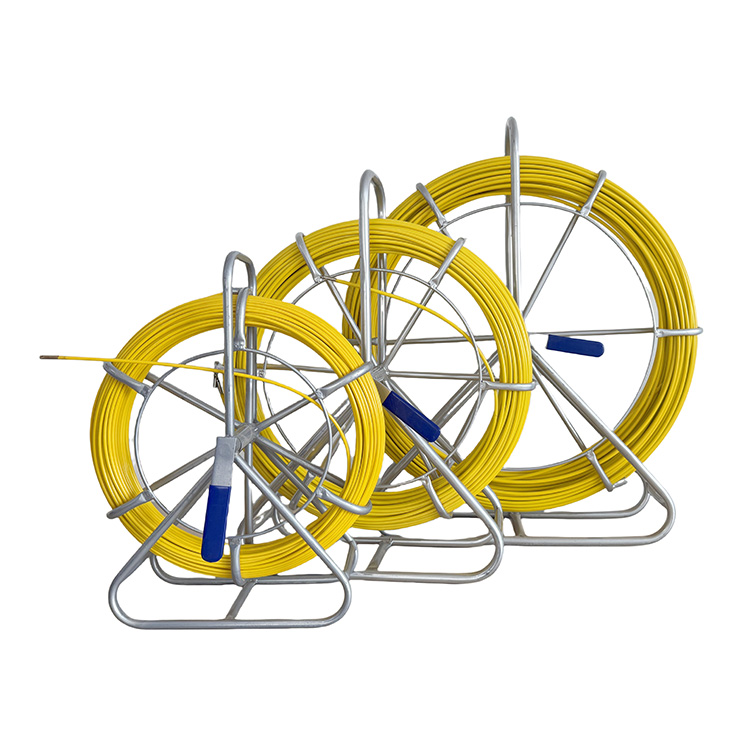
The frame supporting the duct rodder affects both its operational durability and ease of transport between job sites. Standard square base frames with double-pipe construction offer excellent stability during operation and can withstand the rotational torque generated during long pulling operations. For contractors who frequently transport equipment between multiple job locations, collapsible frame designs provide easier handling without sacrificing the structural integrity needed for demanding applications.
Wheel configuration is another practical consideration that affects worksite mobility. Solid rubber wheels mounted on steel bar axles perform significantly better on uneven outdoor terrain compared to smaller casters typically found on indoor equipment. If installation work involves moving between multiple building floors or traversing rough construction sites, prioritizing rodders with robust wheel assemblies reduces physical strain on workers and protects the rod from damage during transport.
Customization Options from Manufacturers
Many duct rodder manufacturers provide comprehensive customization services to meet unique project requirements that standard products cannot address. Custom branding with company logos and meter mark indicators helps large contractors track rod usage across multiple projects and maintain better inventory control. Color customization options allow companies to color-code equipment by project or team, reducing the risk of misplaced tools and supporting more efficient equipment management practices.
Regional frame styles are also available through international suppliers, with European, Australian, Korean, and other national configurations offered to accommodate local construction standards and user preferences. These regional variations ensure that delivered equipment aligns with expected practices and regulatory requirements in specific markets.
Working with a Reliable Supplier
Establishing a long-term relationship with a dependable manufacturer or supplier provides ongoing access to technical guidance, competitive pricing, and responsive customer support. Experienced suppliers can recommend optimal configurations based on specific project parameters, drawing on years of accumulated field experience to identify potential challenges before they develop into costly problems or project delays.
Quality-focused manufacturers subject their rodders to comprehensive testing protocols, including high-temperature resistance validation across ranges from -40 degrees Celsius to 60 degrees Celsius, ensuring reliable performance regardless of seasonal weather conditions or underground environmental factors. This testing commitment reflects the manufacturer's dedication to product quality and customer satisfaction.
Conclusion
Choosing the right fiberglass duct rodder requires careful evaluation of diameter, length, construction quality, frame design, and supplier capabilities. By understanding these key factors and building working relationships with experienced manufacturers and suppliers, cable installation professionals can equip their teams with tools that enhance productivity, reduce project timelines, and deliver superior results across a wide variety of challenging applications.
References
Telecommunications Installation Standards Handbook, Electrical Construction Project Management Guide, Municipal Infrastructure Construction Manual, Fiber Optic Network Design Principles, Commercial Building Wiring Standards.