


Maintenance Tips to Extend the Life of Your Duct Rodder
Author:jiujiu Release time:2026-06-15 19:38:35 Number of views:83order
A fiberglass duct rodder represents a meaningful financial investment for any cable installation professional or contracting business. With consistent care and regular maintenance, these versatile tools can deliver years of reliable service across hundreds of demanding projects. Neglecting basic maintenance accelerates wear, compromises performance, and ultimately leads to premature failure that results in unexpected equipment replacement costs and potential project delays.
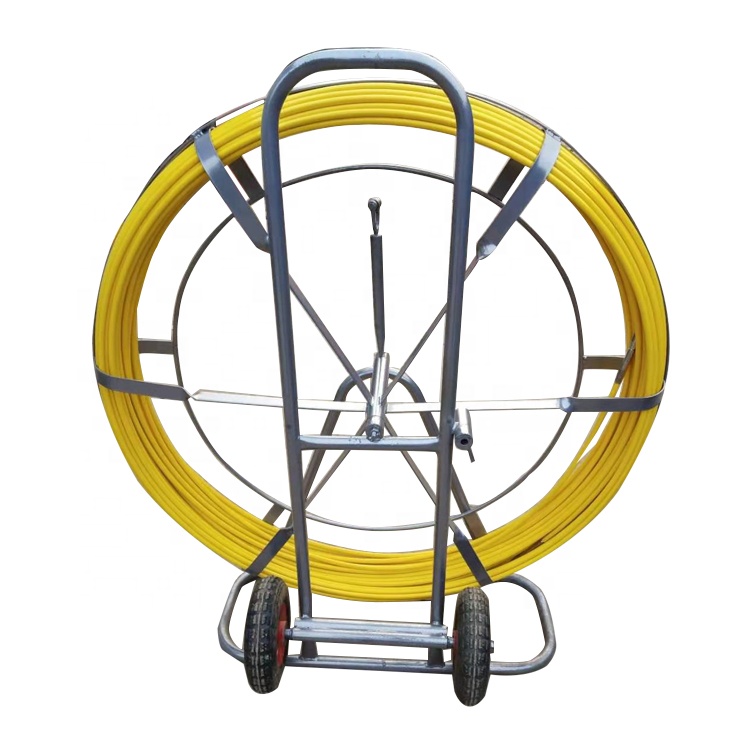
Establish a Post-Job Inspection Routine
After each use, take a few minutes to thoroughly inspect the rodder before coiling it back onto its frame. Look for visible signs of damage such as frayed fibers along the rod body, hairline cracks in the outer coating, flat spots where the rod has compressed, or areas where the protective coating has worn through entirely. Pay particular attention to the leading tip of the rod, as this section experiences the most mechanical stress and surface abrasion during feeding operations through conduits and around bends.
For traceable duct rodders equipped with copper cores or steel wire internal reinforcements, verify that these conductive elements remain properly bonded to the surrounding fiberglass structure. Any detectable separation or unexpected movement within the rod suggests potential internal weakness that should be addressed before the next deployment. Catching damage early prevents minor issues from developing into major problems requiring expensive professional repairs or complete rod replacement.
Keep the Rod Clean During and After Use
Dirt, grit, construction debris, and moisture accumulate on the rod surface during use, particularly in underground conduit systems or building structures with concurrent construction activity nearby. This abrasive material accelerates wear on the rod's outer coating and creates unnecessary friction during pulling operations, stressing both the rod and the cable being installed. Wipe the rod down thoroughly with a clean cloth after each use, removing as much debris as possible before coiling for storage.
For installations in particularly dirty or muddy environments, rinsing the rod with clean water and allowing it to dry completely before storage helps prevent the gradual buildup of corrosive materials. Avoid using harsh chemical cleaners or abrasive scrubbers that might damage the outer coating or compromise the adhesive bonds within the fiberglass composite structure. Mild soap and water are generally sufficient for routine cleaning of even heavily soiled equipment.
Proper Coiling and Storage Practices
How you coil and store the duct rodder between uses significantly affects its long-term service life and ongoing performance. Always coil the rod in the direction opposite to its natural lay to minimize internal kinking stress and preserve the rod's designed flexibility characteristics over many deployment cycles. Forcing the rod into tight coils or twisting it during storage creates persistent stress points that weaken the fiberglass composite structure gradually through each storage cycle.
Store the duct rodder in a clean, dry environment away from direct sunlight and extreme temperature fluctuations. Prolonged ultraviolet light exposure gradually degrades the outer coating and may weaken the underlying fiberglass material, while temperature extremes beyond the rated range may affect the adhesive bonds within the rod structure. A dedicated storage area within a workshop or service vehicle keeps the equipment protected and readily accessible for the next deployment.
Protect Connectors and Attachment Points
The threaded connectors and attachment fittings at each end of the duct rodder require special attention during regular maintenance. These components experience repetitive make-and-break cycles during installation operations and are vulnerable to thread damage, galvanic corrosion, and debris accumulation that can compromise their functionality. Clean connector threads regularly with a soft brush and apply a light silicone lubricant to prevent seizing and ensure secure fits during use.
When transporting the rodder between job sites, verify that all attachment fittings are properly secured and protected from impact damage. Loose fittings bouncing against the frame during transport create unnecessary wear on both components and may lead to connector failure at critical moments during active installation work.
Schedule Periodic Professional Inspections
Beyond routine visual inspections performed by field technicians, consider arranging periodic professional assessments of your duct rodders, particularly for equipment used extensively in demanding applications. Many manufacturers and specialized suppliers offer inspection services that can identify internal damage, gradual degradation, or performance changes not visible during normal handling and operation.
Professional inspections are especially valuable for traceable rodders used in critical infrastructure projects, where equipment failure could result in significant project delays, cost overruns, or safety incidents. Documenting inspection results also supports equipment lifecycle planning and helps justify capital expenditure for replacement purchases when the time comes to refresh your equipment inventory.
Conclusion
Extending the service life of your fiberglass duct rodder requires consistent attention to cleaning, proper storage, regular inspection, and adherence to recommended operational best practices. By establishing a practical maintenance routine and partnering with a reliable manufacturer or supplier for replacement parts and professional service, you protect your equipment investment and ensure that your duct rodder continues to deliver reliable performance project after project throughout its extended service life.
References
Construction Equipment Maintenance Handbook, Tool Care and Safety Guidelines, Telecommunications Installation Best Practices, Industrial Fiberglass Product Care Manual, Municipal Infrastructure Maintenance Standards.