


Selecting the Correct Diameter for Your Duct Rodder Based on Application
Author:jiujiu Release time:2026-06-18 19:40:58 Number of views:69order
Matching the diameter of a fiberglass duct rodder to the specific requirements of a cable installation project is fundamental to achieving reliable, efficient, and damage-free results. Choosing incorrectly sized equipment leads to installation failures, cable damage, unnecessary equipment wear, and frustrating delays that compound into cost overruns. Experienced contractors develop thorough understanding of diameter selection criteria, drawing on manufacturer guidelines and field experience to make optimal equipment choices for every project type.
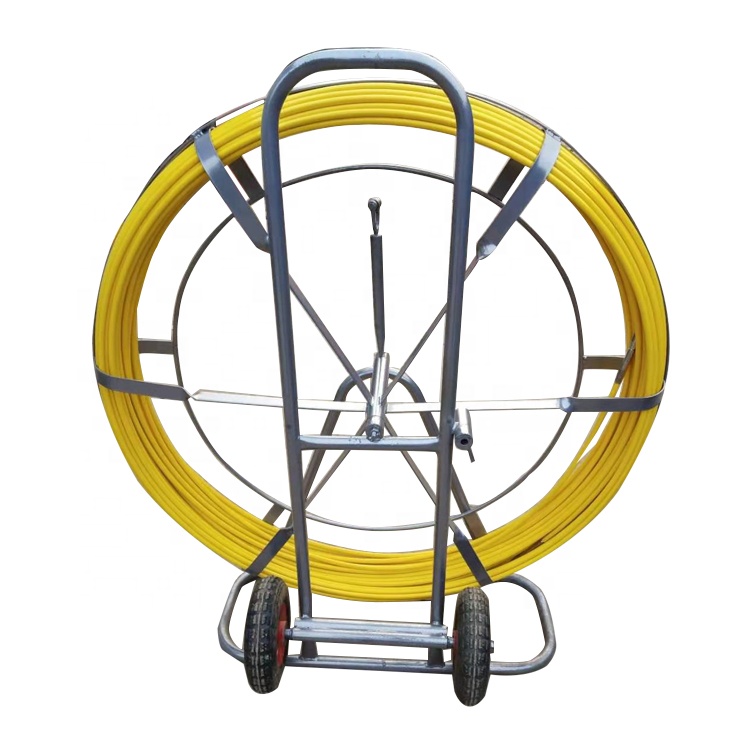
The Relationship Between Diameter and Pushing Force
Larger diameter rodders generate greater pushing force for a given operator input, making them inherently more suitable for longer runs and conduits with accumulated debris or minor obstructions that create resistance during feeding. The increased cross-sectional area of larger rods provides mechanical advantage that smaller diameters cannot match, particularly in horizontal runs where gravity assists debris accumulation in low sections of the conduit system.
Smaller diameter rodders, while offering less pushing force, provide superior flexibility for navigating tight bends and negotiating complex conduit geometries found in building infrastructure. Understanding this fundamental trade-off between pushing force and flexibility guides diameter selection based on the specific characteristics of each individual installation scenario.
Residential and Light Commercial Applications
Standard building wire installations in residential and light commercial structures typically involve conduit runs of 50 to 150 meters through relatively straightforward pathways. For these applications, rodders in the 5mm to 8mm range from established manufacturers provide an effective balance of reach and flexibility that handles typical residential conduit configurations efficiently.
These smaller diameter options are particularly well-suited for installing electrical wiring through wall cavities, floor joist spaces, and short conduit runs connecting outlets, switches, and junction boxes throughout a building. The lightweight handling characteristics of smaller rodders also reduce operator fatigue during repetitive residential installations.
Street Lighting and Municipal Infrastructure
Street lamp pole wiring and similar municipal electrical installations often involve medium-length runs between utility connection points and fixture locations distributed across city blocks. These projects typically require rodders in the 8mm to 10mm range, providing sufficient pushing force to navigate conduit pathways connecting multiple pole bases while maintaining flexibility for bends at each pole location.
The durability requirements for municipal installations tend to be higher than residential work, given the difficulty of accessing buried infrastructure for maintenance or repairs after installation. Investing in quality rodders from reputable suppliers ensures reliable performance across the extended service life expected from municipal equipment used on hundreds of separate installations over its operational lifetime.
Fiber Optic and Data Cable Deployments
Fiber optic cable installations represent the most demanding application category for duct rodders, combining the need for long reaches with stringent requirements for precise handling that protects delicate optical fibers from mechanical stress or damage. Long-distance fiber deployments, particularly those exceeding 200 meters, typically require rodders of 14mm or larger diameter from manufacturers specializing in telecommunications equipment.
Shorter fiber installations within data centers, commercial buildings, or campus environments may utilize 10mm to 12mm rodders, which provide adequate force for runs up to approximately 200 meters while maintaining the flexibility needed for building infrastructure with numerous bends, junction boxes, and vertical risers. Choosing the right diameter prevents both insufficient reach and excessive stiffness that could damage sensitive fiber optic cables during installation.
Specialized Conduit Configurations
Certain conduit configurations present unique diameter selection challenges that require careful evaluation of specific pathway characteristics. Seven-hole and five-hole plum blossom tube systems, commonly used in older municipal infrastructure, require careful rodder sizing to ensure reliable passage through all conduit channels without becoming lodged at junctions or connection points.
High-density polyethylene corrugated tubing, increasingly common in new construction, presents different friction characteristics than rigid PVC or metal conduits. The corrugated interior surface increases pulling resistance compared to smooth-walled alternatives, sometimes requiring an appropriately sized duct rodder to maintain acceptable installation productivity.
Consulting with Manufacturers and Suppliers
The most reliable approach to diameter selection combines established guidelines with input from experienced manufacturers and suppliers who have accumulated extensive field experience across diverse applications. Professional suppliers can review specific project parameters and recommend optimal configurations based on their product capabilities and practical field experience from thousands of similar installations.
Many manufacturers offer technical consultation services as part of their customer support programs, helping contractors navigate unusual project requirements or challenging conduit conditions without trial-and-error costs or project delays. Taking advantage of this available expertise ensures that equipment investments deliver the expected performance from the very first deployment.
Conclusion
Diameter selection for fiberglass duct rodders requires careful evaluation of project requirements, conduit characteristics, and cable specifications. By understanding the relationship between rodder diameter and performance characteristics, and by consulting with experienced manufacturers and suppliers, contractors can consistently select equipment that maximizes installation efficiency while protecting valuable cable assets throughout the service life of the completed installation.
References
Telecommunications Cable Installation Standards, Municipal Electrical Construction Handbook, Fiber Optic Network Design Guidelines, Commercial Building Infrastructure Standards, Underground Conduit Installation Practices.